
1. Product Overview
The DB Electrical SBS0044 Starter is a robust replacement component designed for various agricultural and lawn equipment. This starter is engineered to meet OEM specifications, ensuring reliable performance and a precise fit for compatible engines. It operates on a 12-volt system with a counter-clockwise rotation and features a 15-tooth drive gear.

Image 1.1: Front view of the DB Electrical SBS0044 Starter, highlighting the 15-tooth drive gear.

Image 1.2: The starter unit, emphasizing its precision engineering and OEM quality for a guaranteed fit.
2. Specifications
Below are the detailed specifications for the DB Electrical SBS0044 Starter:
- Unit Type: Starter
- Voltage: 12 Volts
- Rotation: Counter-Clockwise (CCW)
- Teeth: 15
- Kilowatts (KW): 1.0
- Wattage: 1 KW
- Amperage: 16 Amps
- Material: Metal
- Product Dimensions (L x W x H): 7.5 x 3.3 x 3.5 inches
- Item Weight: 5.5 pounds
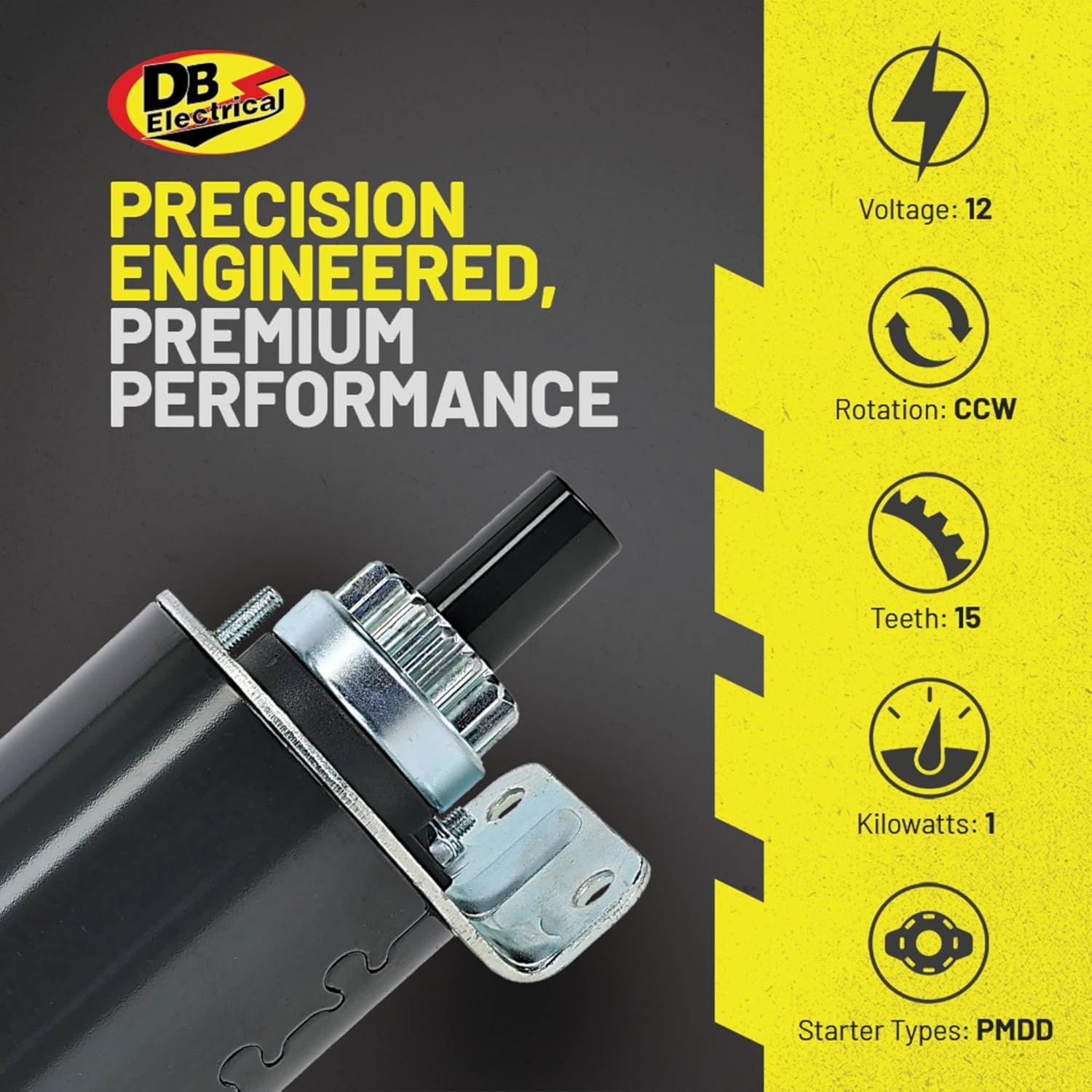
Image 2.1: Visual summary of key starter specifications including voltage, rotation, teeth, and kilowatts.
3. Compatibility
This starter is compatible with a range of equipment. Always verify the part fits your specific model before installation by checking OEM numbers and application lists.
Replaces OEM Numbers:
- ARROWHEAD: 410-22060
- BRIGGS & STRATTON: 592407
- J & N: 410-22060
Compatible With/Replacement For:
- ARCTIC CAT: SBS 1000 (2002)
- CUB CADET: GT2521 (2004), LT2180 (2003-2004)
- GENERAC: Various Models
- JOHN DEERE: Bunker & Field Rake 1200 Hydro, LT166, LT170, LTR166, SST16 Spin Steer, SST18 Spin Steer
- TORO: Greensmaster 3050 (1997-2009), Greensmaster 3100 (1992-2009), Greensmaster 3150 (2002-2009), Grounds Pro 2000 (1998-1999), Infield Pro 3040 (2006-2009), Infield Pro 5040 (2006-2009), Sand Pro 2020 (1997-2009), Sand Pro 3020 (1997-2006), Sand Pro 5000 (1994-1997), Sand Pro 5020 (1998-2006), Twister 1400 Utility Vehicle (2002), Twister 1600 Utility Vehicle (2002-2008)
4. Safety Information
Always prioritize safety when working with electrical components and machinery. Failure to follow safety precautions can result in serious injury or damage to equipment.
- Disconnect the battery: Before beginning any work, always disconnect the negative battery cable first, followed by the positive cable, to prevent accidental electrical discharge.
- Wear appropriate personal protective equipment (PPE): This includes safety glasses, gloves, and appropriate clothing.
- Ensure the equipment is off and cooled down: Allow the engine to cool completely before handling components.
- Use correct tools: Use insulated tools where appropriate and ensure they are in good condition.
- Work in a well-ventilated area: Avoid working in confined spaces, especially when dealing with battery fumes.
5. Installation Guide
This section provides general steps for replacing a starter motor. Specific procedures may vary depending on your equipment model. Consult your equipment's service manual for detailed instructions.
Tools Required:
- Wrench set (metric/standard as needed)
- Socket set
- Battery terminal cleaner
- Wire brush
Installation Steps:
- Prepare the Equipment: Ensure the equipment is on a flat, stable surface, the engine is off and cool, and the parking brake is engaged.
- Disconnect Battery: Disconnect the negative (-) battery cable first, then the positive (+) battery cable.
- Locate the Starter: Identify the existing starter motor on your engine.
- Disconnect Wiring: Carefully disconnect all electrical connections from the old starter. Note their positions for reinstallation.
- Remove Mounting Bolts: Remove the bolts securing the old starter to the engine block. Support the starter as you remove the last bolt to prevent it from falling.
- Remove Old Starter: Carefully extract the old starter motor from its mounting position.
- Inspect Mounting Area: Clean any debris or corrosion from the starter mounting surface on the engine.
- Install New Starter: Position the new DB Electrical SBS0044 Starter into place and hand-tighten the mounting bolts. Ensure proper alignment.
- Tighten Mounting Bolts: Torque the mounting bolts to the manufacturer's specifications (refer to your equipment's service manual).
- Reconnect Wiring: Reconnect all electrical wires to the new starter, ensuring connections are clean and secure.
- Reconnect Battery: Reconnect the positive (+) battery cable first, then the negative (-) battery cable. Ensure terminals are clean and tight.
- Test Operation: Attempt to start the engine to verify proper starter function.

Image 5.1: Angled view of the starter, illustrating its mounting bracket and electrical connection point.
6. Operation
The starter motor is an electrical device that rotates the engine's flywheel to initiate the combustion process. When the ignition key is turned to the 'start' position, electrical current flows to the starter. The starter motor engages its drive gear with the engine's flywheel, turning the crankshaft until the engine starts. Once the engine is running, the starter disengages automatically.
7. Maintenance
The DB Electrical SBS0044 Starter is designed for durability and minimal maintenance. However, regular checks can help ensure its longevity and reliable operation:
- Keep Connections Clean: Periodically inspect the battery terminals and starter wiring connections for corrosion or looseness. Clean them with a wire brush and battery terminal cleaner if necessary.
- Check Battery Condition: A weak battery can put undue strain on the starter. Ensure your battery is fully charged and in good condition.
- Inspect Mounting: Ensure the starter remains securely mounted to the engine. Loose mounting can lead to vibration and premature wear.
- Avoid Prolonged Cranking: Do not crank the engine for more than 10-15 seconds at a time. Allow the starter to cool for a minute or two between attempts to prevent overheating.
8. Troubleshooting
If your equipment fails to start, consider the following troubleshooting steps related to the starter system:
- No Crank or Slow Crank:
- Check battery charge: A discharged or weak battery is a common cause.
- Inspect battery terminals: Ensure they are clean and tightly connected. Loose or corroded terminals can prevent sufficient current flow.
- Verify starter wiring: Check all wires connected to the starter for looseness, corrosion, or damage.
- Clicking Sound, No Crank:
- This often indicates insufficient power reaching the starter motor, usually due to a low battery or poor connections.
- Could also indicate a faulty starter solenoid (if separate) or internal starter issue.
- Starter Engages but Engine Does Not Turn Over:
- May indicate a problem with the starter drive gear not engaging the flywheel, or a damaged flywheel.
- Starter Continues to Run After Engine Starts:
- This is a serious issue and requires immediate attention. Turn off the engine and disconnect the battery. It could be a faulty ignition switch or a stuck starter solenoid.
If these steps do not resolve the issue, it is recommended to consult a qualified technician or refer to your equipment's specific service manual.
9. Warranty Information
The DB Electrical SBS0044 Starter comes with a 1-year warranty from the date of purchase. This warranty covers defects in materials and workmanship. If the product fails within one year of your order due to a manufacturing defect, it will be replaced. For warranty claims or assistance, please contact DB Electrical customer support.
10. Contact and Support
For further assistance, technical support, or warranty inquiries regarding your DB Electrical SBS0044 Starter, please refer to the contact information provided by your retailer or visit the official DB Electrical website.