
1. Introduction
This manual provides essential information for the proper installation, operation, and maintenance of your Kidde i9040 Battery-Operated Ionization Smoke Alarm. Please read it thoroughly before installation and retain it for future reference. This device is designed to detect smoke and alert occupants to potential fire hazards.
2. Important Safety Information
- This smoke alarm is designed for residential use only.
- Do not paint the smoke alarm. Paint can clog the sensing chamber and prevent the alarm from operating correctly.
- Test the smoke alarm weekly to ensure proper function.
- Replace the battery immediately when the low battery warning sounds.
- Never ignore a smoke alarm. Investigate the cause and take appropriate action.
- This alarm is not intended to replace proper fire safety practices, including regular fire drills and escape plans.
3. Product Overview
The Kidde i9040 is a compact, battery-operated ionization smoke alarm. Ionization smoke alarms are generally more effective at detecting fast-flaming fires.

Figure 1: Front view of the Kidde i9040 smoke alarm, showing the test button and alarm grille. The text "PUSH AND HOLD TO TEST WEEKLY" and "DO NOT PAINT" are visible.
Key features include a test/hush button, a loud alarm, and a battery compartment for easy replacement.

Figure 2: Rear view of the Kidde i9040 smoke alarm with the mounting bracket and battery compartment visible. A 9V battery is shown installed, along with mounting hardware.
4. Setup and Installation
4.1 Choosing a Location
For optimal protection, install smoke alarms in every sleeping room and on every level of your home, including the basement.

Figure 3: Recommended placement diagram for smoke alarms, heat alarms, carbon monoxide alarms, and fire extinguishers within a typical home structure. Ionization smoke alarms are indicated by red dots.
4.2 Mounting Instructions
- Twist the mounting bracket counter-clockwise to separate it from the alarm unit.
- Position the mounting bracket on the ceiling or wall at your chosen location. Mark the two mounting holes.
- Drill two 3/16 inch (5 mm) holes at the marked locations. Insert the plastic screw anchors (if applicable).
- Secure the mounting bracket using the provided screws.
- Install the 9V battery into the battery compartment. Ensure correct polarity (+ to + and - to -).
- Align the alarm unit with the mounting bracket and twist clockwise until it locks into place.
- Test the alarm immediately after installation.
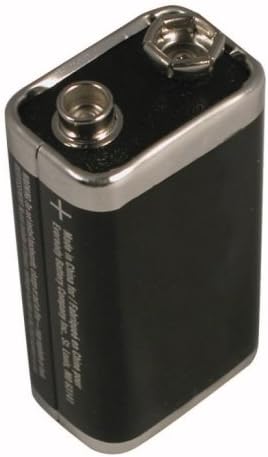
Figure 4: A standard 9V battery, required for operation of the Kidde i9040 smoke alarm.
5. Operating Instructions
5.1 Normal Operation
The smoke alarm is continuously monitoring for smoke. A red LED indicator will flash approximately once every 30-40 seconds to confirm it is operating correctly.
5.2 Testing the Alarm
Press and hold the test button on the front cover for a few seconds. The alarm will sound a loud, pulsating horn. Release the button to stop the alarm. Test weekly.
5.3 Alarm Condition
When smoke is detected, the alarm will sound a loud, pulsating horn. The red LED will flash rapidly.
5.4 Hush Feature
If a nuisance alarm occurs (e.g., from cooking fumes), press the test/hush button. This will silence the alarm for approximately 7-10 minutes. The red LED will flash every 10 seconds during the hush period. The alarm will automatically reset after the hush period, or sooner if smoke density increases.
6. Maintenance
6.1 Battery Replacement
The smoke alarm requires one 9V battery. When the battery is low, the alarm will "chirp" approximately once every 30-40 seconds. Replace the battery immediately.
- Twist the alarm counter-clockwise to remove it from the mounting bracket.
- Open the battery compartment.
- Remove the old battery and dispose of it properly.
- Install a new 9V battery, ensuring correct polarity.
- Close the battery compartment and re-attach the alarm to the mounting bracket.
- Test the alarm after battery replacement.
6.2 Cleaning Your Alarm
Clean your smoke alarm at least once a month.
- Remove the alarm from the mounting bracket.
- Use a soft brush attachment on your vacuum cleaner to remove dust and debris from the alarm's cover and vents.
- Do not use water, cleaners, or solvents, as they may damage the unit.
- Re-install the alarm and test it.
7. Troubleshooting
| Problem | Possible Cause | Solution |
|---|---|---|
| Alarm chirps every 30-40 seconds | Low battery | Replace the 9V battery. |
| Alarm sounds frequently without smoke | Nuisance alarm (cooking fumes, steam), dust in sensing chamber, improper placement. | Use hush feature. Clean the alarm. Relocate if consistently triggered by non-fire sources. |
| Alarm does not sound during test | Dead or improperly installed battery, faulty unit. | Check battery installation and replace if necessary. If problem persists, replace the alarm. |
| Red LED not flashing | No power, faulty unit. | Check battery. Replace alarm if LED still does not flash. |
8. Specifications
- Model: Kidde i9040
- Sensor Type: Ionization
- Power Source: 9V Battery (1 required)
- Alarm Loudness: 85 dB at 10 feet
- Operating Temperature: 40°F (4.4°C) to 100°F (37.8°C)
- Operating Humidity: 10% - 95% relative humidity, non-condensing
- Dimensions: Approximately 4.2 x 4.2 x 3.2 inches (package dimensions, actual unit is slightly smaller)
- Weight: Approximately 8 ounces (with battery)
- UPC: 635231841780
9. Warranty and Support
For warranty information or technical support, please refer to the contact information provided on the product packaging or visit the official Kidde website. Keep your purchase receipt as proof of purchase.
Manufacturer: Kidde
Website: www.kidde.com


