
1. Introduction
This manual provides essential information for the safe and effective use of the Littelfuse JLS-30 Class J Current Limiting Fuse. The JLS series fuses are designed to provide superior protection for electrical systems against overcurrents, offering fast-acting, current-limiting capabilities. Please read this manual thoroughly before installation or operation.
2. Safety Information
WARNING: Electrical shock hazard. Installation and maintenance should only be performed by qualified personnel. Always disconnect power before working on electrical circuits.
- Ensure the fuse rating (voltage and current) matches the circuit requirements.
- Do not use damaged fuses.
- Never bypass a fuse or replace it with a fuse of a higher rating.
- Wear appropriate personal protective equipment (PPE) when working with electrical systems.
3. Product Overview
The Littelfuse JLS-30 is a 30 Amp, 600 VAC, Class J, current-limiting, fast-acting fuse. It is designed for use in various industrial and commercial applications to protect motors, transformers, and other electrical equipment from short circuits and overloads.
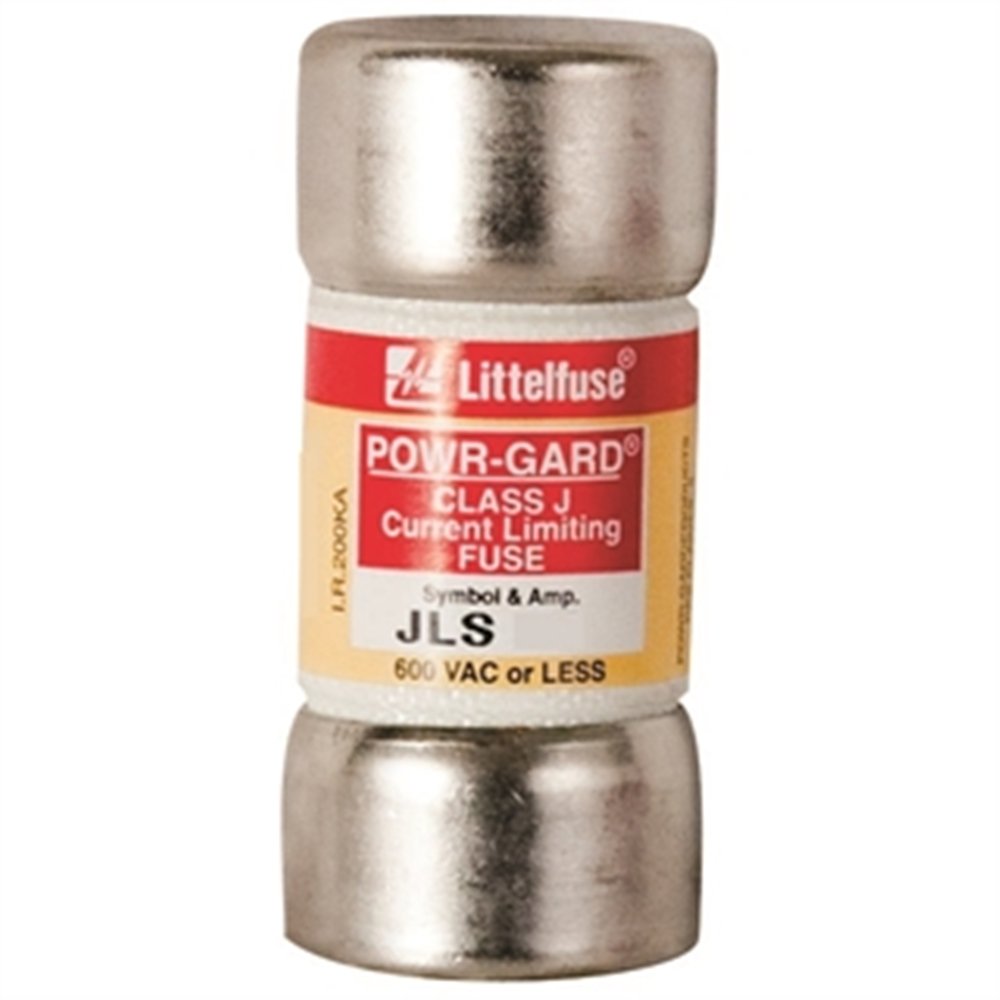
Figure 1: Littelfuse JLS-30 Class J Current Limiting Fuse. This image shows the cylindrical body of the fuse with its end caps, indicating its compact design.
Key Features:
- Current Limiting: Reduces fault current magnitude and duration, minimizing damage to protected components.
- Fast Acting: Provides rapid response to overcurrent conditions.
- Class J Rating: Ensures high interrupting capacity and standardized dimensions.
- High Voltage Rating: Suitable for 600 VAC applications.
4. Installation
Proper installation is critical for the safe and effective operation of the fuse.
- Disconnect Power: Before beginning any installation, ensure that all power to the circuit is completely disconnected and locked out according to safety procedures. Verify with a voltage tester.
- Select Appropriate Fuse Holder: Use a fuse holder specifically designed for Class J fuses and rated for the appropriate voltage and current.
- Insert Fuse: Carefully insert the JLS-30 fuse into the fuse holder. Ensure it is seated firmly and correctly.
- Verify Connections: Double-check all electrical connections to ensure they are secure and properly torqued.
- Restore Power: Once installation is complete and verified, restore power to the circuit.
5. Operation
The Littelfuse JLS-30 fuse operates passively as a protective device. When an overcurrent condition (short circuit or overload) exceeds the fuse's rating for a specified duration, the internal element melts, opening the circuit and preventing damage to downstream equipment. As a current-limiting fuse, it also acts to reduce the peak current that can flow during a short circuit event.
Once a fuse has operated (blown), it must be replaced. It is not resettable.
6. Maintenance
Fuses are generally maintenance-free devices. Regular inspection of the fuse and its holder is recommended as part of routine electrical system maintenance.
- Visual Inspection: Periodically check the fuse and fuse holder for any signs of physical damage, discoloration, or loose connections.
- Replacement: If a fuse has blown, it must be replaced with an identical Littelfuse JLS-30 fuse to maintain the intended circuit protection. Never replace with a fuse of a different rating or type.
- Cleaning: Ensure the fuse holder contacts are clean and free from corrosion to ensure good electrical contact.
7. Troubleshooting
The primary troubleshooting scenario for a fuse is when it blows.
Symptom: Circuit is dead, no power.
- Possible Cause: The JLS-30 fuse has blown due to an overcurrent condition (short circuit or overload).
- Action:
- Disconnect Power: Always disconnect and lock out power to the circuit before inspecting or replacing the fuse.
- Identify Cause: Investigate the circuit to determine the cause of the overcurrent. This could be a faulty appliance, wiring issue, or motor overload. Rectify the underlying problem before replacing the fuse.
- Replace Fuse: Replace the blown fuse with a new Littelfuse JLS-30 fuse. Ensure the replacement fuse has the exact same voltage and current ratings.
- Restore Power: Carefully restore power and monitor the circuit. If the new fuse blows immediately, there is still an unresolved issue in the circuit.
If you are unable to identify or resolve the cause of a blown fuse, consult a qualified electrician.
8. Specifications
Technical specifications for the Littelfuse JLS-30 Class J Current Limiting Fuse:
| Specification | Value |
|---|---|
| Part Number | JLS-30 |
| Current Rating | 30 Amps |
| Voltage Rating | 600 VAC |
| Interrupting Rating | 200 KA |
| Fuse Class | Class J |
| Type | Current Limiting, Fast Acting, Cylindrical |
| Material | Copper |
| Dimensions (L x W x H) | 2.25 x 0.75 x 2.25 inches |
| Item Weight | 0.8 ounces |
| Mounting Type | Through-Hole Mount (for fuse holder) |
| UPC | 631908868258 |
9. Warranty and Support
For information regarding product warranty, technical support, or to locate authorized distributors, please visit the official Littelfuse website or contact their customer service department. Keep your purchase receipt for warranty claims.
Official Website: www.littelfuse.com


