
1. Introduction
This manual provides essential information for the proper handling, installation, and application of the Carlon 3/4 inch x 25 ft. Electrical Nonmetallic Tubing (ENT) Coil. This product is designed to protect electrical wiring in various residential and commercial settings, offering a flexible and durable pathway for conductors.
2. Safety Information
Adherence to safety guidelines is crucial during the installation and use of this product. Always consult local electrical codes and regulations before beginning any electrical work.
- Consult Local Codes: Always comply with national and local electrical codes (e.g., NEC) for proper installation practices.
- Temperature Ratings: Ensure that the ambient temperature does not exceed 140°F (60°C) and that the wire insulation is rated for a maximum of 90°C.
- Approved Applications: This ENT is approved for use in concrete slabs, walls, floors, non-plenum ceilings, exposed areas, public assembly locations, and pre-wired raised floors. It can be used in residential or commercial settings for up to 3-floors.
- UL Listed: This product is UL listed for safety, indicating compliance with recognized safety standards.
- Cutting Straps: Exercise caution when cutting the packaging straps, as the coiled product may expand.
- Proper Tools: Use appropriate tools for cutting and installing ENT to prevent damage to the tubing or injury.
3. Product Overview
The Carlon Electrical Nonmetallic Tubing (ENT), also known as 'Smurftube', is a corrugated, flexible, non-metallic conduit designed for the protection and routing of electrical conductors. This 3/4 inch trade size coil is 25 feet in length and is manufactured in the U.S.A.
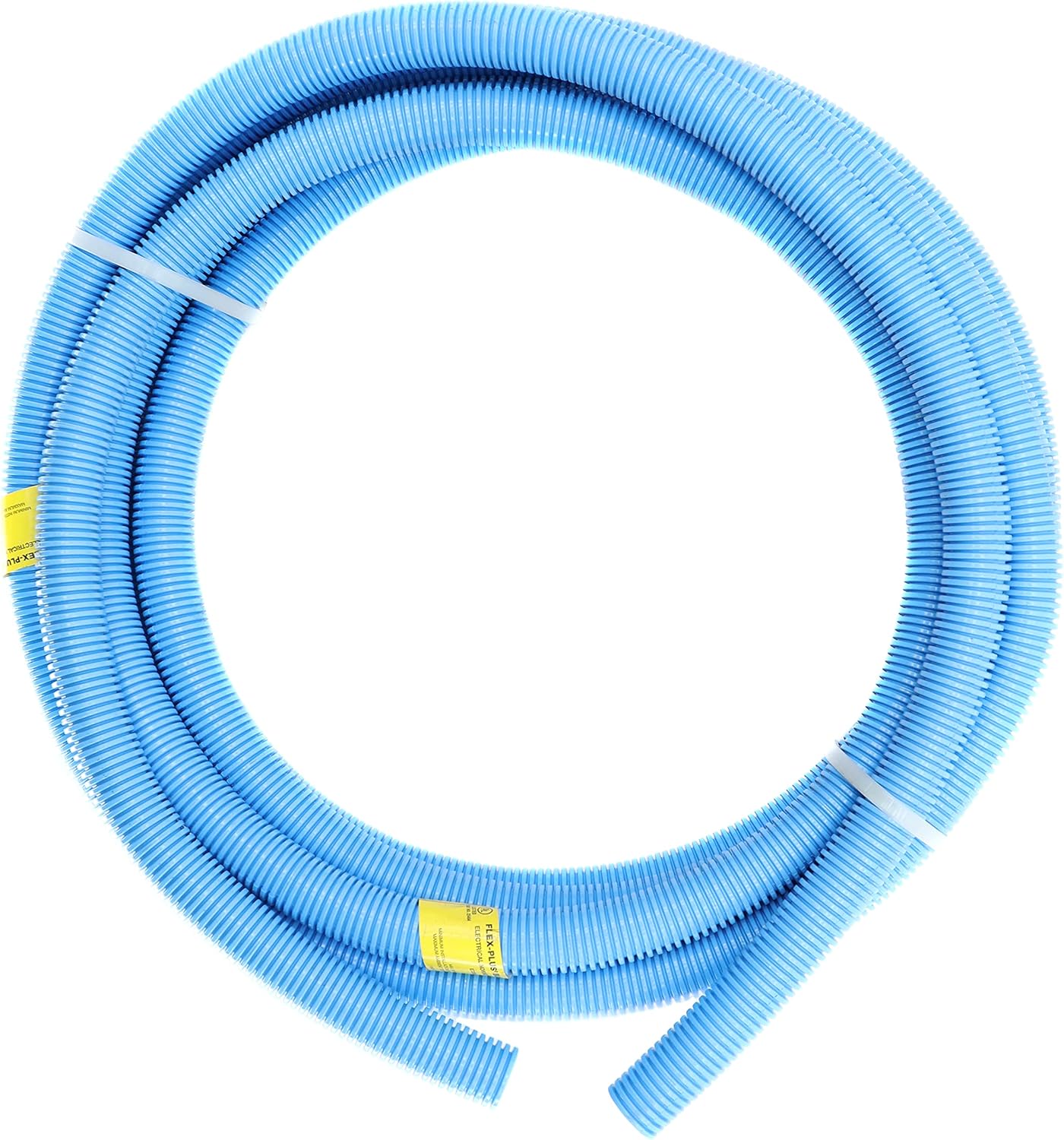
Figure 1: Carlon 3/4 inch x 25 ft. Electrical Nonmetallic Tubing (ENT) Coil. This image shows the full 25-foot coil of blue corrugated tubing.
Key Features:
- Electrical Non-Metallic Tubing (ENT or Smurftube)
- Made in U.S.A.
- 3/4-Inch Trade Size
- 0.76" Inside Diameter
- 1.05" Outside Diameter
- Blue color for easy identification
- 25-Feet Coil length
4. Setup and Installation
Proper installation ensures the longevity and effectiveness of the ENT system. Follow these general guidelines for setup.
4.1 Planning the Installation
- Route Planning: Determine the optimal path for the ENT, considering the shortest practical route and avoiding unnecessary bends.
- Support: Secure the ENT at appropriate intervals according to local codes to prevent sagging or undue stress.
- Bending: The corrugated design allows for flexibility. Avoid sharp bends that could kink the tubing or restrict wire pulling.
4.2 Cutting and Connecting
ENT can be easily cut with a utility knife or specialized conduit cutters. Ensure cuts are clean and perpendicular to the tubing for proper fitting connections.

Figure 2: Close-up view of the Carlon ENT opening, illustrating the smooth interior for easy wire pulling.
Use approved ENT fittings (couplings, connectors, adapters) to join sections of tubing or connect to boxes and enclosures. These fittings are typically snap-on or solvent-weld types, designed for a secure, watertight connection.

Figure 3: Detailed view of the corrugated surface of the Carlon ENT, highlighting its flexible yet robust construction.
4.3 Wire Pulling
Once the ENT is installed, electrical conductors can be pulled through. Use appropriate wire lubricant if necessary to reduce friction, especially for longer runs or multiple wires. Do not exceed the maximum fill capacity specified by electrical codes.
5. Operating Principles
The Carlon ENT functions as a protective, non-metallic pathway for electrical conductors. It is designed to shield wires from physical damage, moisture, and certain environmental factors. It is not intended to carry current itself but rather to house and protect current-carrying conductors. Its non-metallic nature provides insulation and corrosion resistance.
6. Maintenance
Carlon ENT is a low-maintenance product. Once properly installed, it typically requires no ongoing maintenance. However, periodic visual inspection during other electrical system checks is recommended to ensure the tubing remains intact and undamaged, especially in exposed areas.
7. Troubleshooting
While ENT is generally reliable, certain issues can arise during or after installation:
- Kinking: If the tubing kinks, it may restrict wire pulling or compromise protection. This often occurs due to excessively sharp bends. Reroute or replace the affected section.
- Difficulty Pulling Wires: This can be caused by too many wires, wires with large insulation, sharp bends, or lack of lubricant. Reduce wire count, use lubricant, or re-evaluate the conduit path.
- Damaged Tubing: Physical damage (cuts, punctures) can compromise the protection. Replace damaged sections immediately.
- Improper Connections: Loose or improperly sealed fittings can allow moisture or debris ingress. Ensure all connections are secure and made with compatible fittings.
8. Specifications
Detailed technical specifications for the Carlon 3/4 in. x 25 ft. Electrical Nonmetallic Tubing (ENT) Coil:

Figure 4: Product label showing manufacturing details, model number, and UPC.
| Attribute | Value |
|---|---|
| Brand | Carlon |
| Model Number | 12007-025 |
| Material | Copper (Note: Product is nonmetallic, likely refers to internal wiring compatibility or a general material category. The tubing itself is PVC.) |
| Color | Blue |
| Product Dimensions (L x W) | 300"L x 0.75"W (25 ft length) |
| Item Weight | 4.93 Pounds |
| Nominal Wall Thickness | 1.05 mm |
| Outside Diameter | 1.05 Inches |
| Inside Diameter | 0.76 Inches |
| UPC | 034481194903 |
| Manufacturer | Carlon |
| Item Package Quantity | 1 |
| Date First Available | October 16, 2013 |
9. Warranty and Support
For specific warranty information or technical support regarding your Carlon Electrical Nonmetallic Tubing, please contact Carlon customer service directly. Refer to the product packaging or the Carlon official website for contact details.


