
1. Introduction
This manual provides essential instructions for the safe operation, setup, maintenance, and troubleshooting of your Baileigh BS-712M 7x12 Inch Metal Cutting Bandsaw. Please read this manual thoroughly before operating the machine to ensure proper use and to prevent injury or damage.
The Baileigh BS-712M bandsaw is designed for cutting various metal materials. It features a versatile design allowing operation in both horizontal and vertical positions, making it suitable for general cut-offs and precise shape cutting. This machine is powered by 120 volts and includes wheels for enhanced portability.
2. Safety Instructions
Always prioritize safety when operating power tools. Failure to follow these instructions may result in serious injury or death.
- Read the Entire Manual: Understand all operating procedures and safety warnings before use.
- Wear Personal Protective Equipment (PPE): Always wear safety glasses, hearing protection, and appropriate work gloves. Avoid loose clothing or jewelry that could get caught in moving parts.
- Work Area: Keep your work area clean, well-lit, and free from obstructions. Ensure adequate space around the machine.
- Electrical Safety: Ensure the machine is properly grounded. Do not operate in wet conditions. Inspect power cords for damage before each use.
- Secure Workpiece: Always clamp the workpiece securely in the vise before cutting. Never attempt to hold material by hand.
- Blade Safety: Ensure the blade is correctly installed and tensioned. Never touch the blade while the machine is running. Allow the blade to stop completely before making adjustments.
- Machine Stability: Ensure the bandsaw is on a stable, level surface. Use the wheels for transport only, not during operation.
- Emergency Stop: Familiarize yourself with the location and operation of the emergency stop button.
- Maintenance: Disconnect power before performing any maintenance, adjustments, or blade changes.
3. Product Features
The Baileigh BS-712M bandsaw incorporates several features designed for efficient and precise metal cutting:

Figure 3.1: Overview of the Baileigh BS-712M Metal Cutting Bandsaw.
- Cutting Capacity: Capable of cutting 7-inch OD round material and 7-inch by 10.25-inch rectangular material at 90 degrees.
- Mitering Capability: The vise can be rotated to allow mitering up to 45 degrees for angled cuts.
- Durable Construction: The saw head and bow are constructed from heavy-duty cast iron, precisely machined to minimize vibrations and ensure clean, accurate cuts.
- Dual Position Operation: The saw can be operated in either a horizontal position for general cut-offs or a vertical position for precise shape cutting. This is achieved by lifting the bow and locking it into place.
- Adjustable Blade Guides: Equipped with adjustable blade guides and eight sealed ball bearings to align the blade and extend its operational life.
- Robust Framework: Features an electro-welded steel plate framework, providing a sturdy and strong machine capable of cutting at maximum capacity.
- Chip Removal Brush: Includes a chip removal brush to keep the blade clear of debris during operation.
- Flood Coolant System: Integrated flood coolant system helps to cool the blade and workpiece, improving cut quality and blade life.
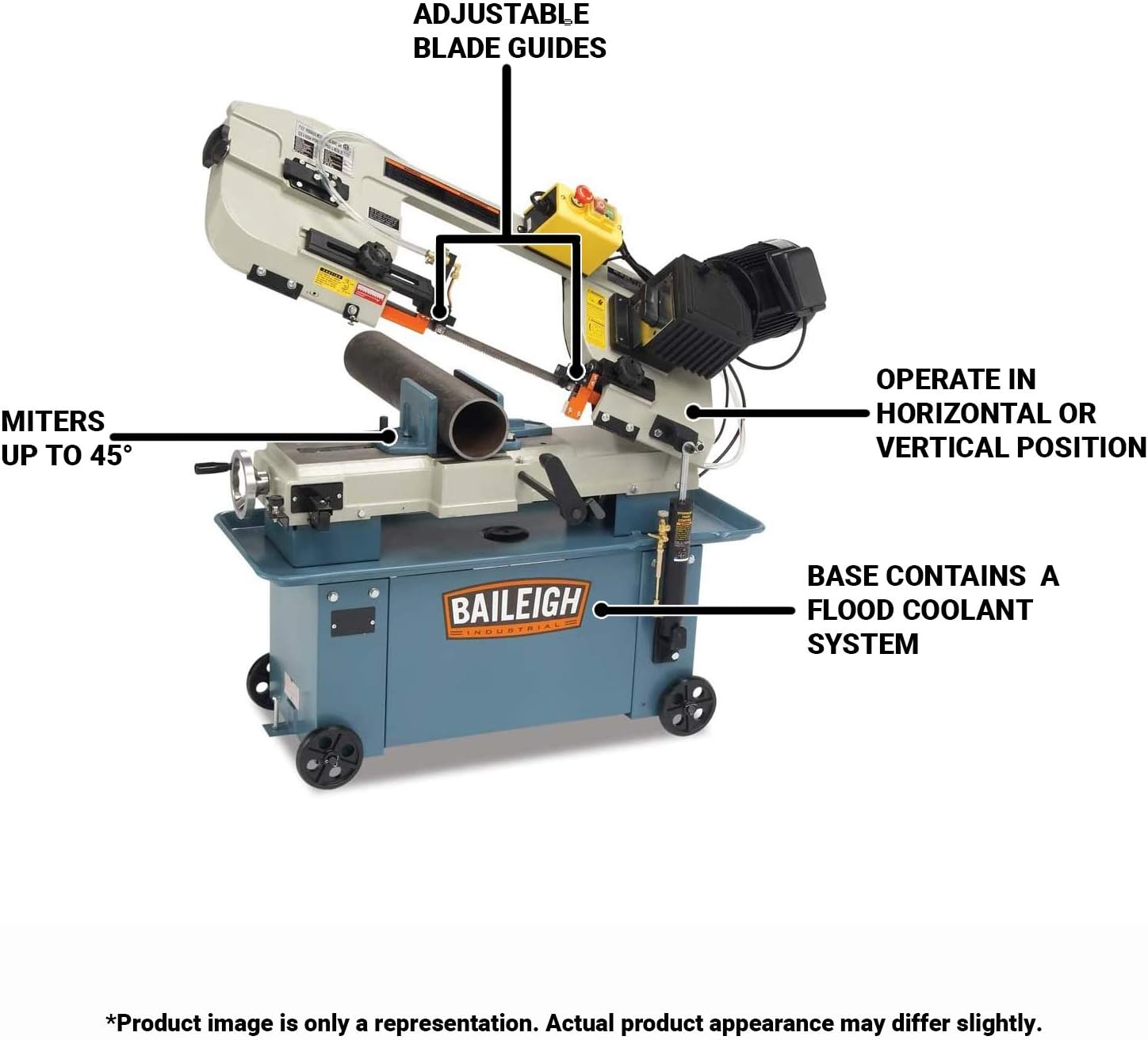
Figure 3.2: Key features of the BS-712M, including adjustable blade guides, dual position operation, and flood coolant system.

Figure 3.3: The bandsaw can be configured for both horizontal and vertical cutting operations.

Figure 3.4: The adjustable vise allows for precise angled cuts up to 45 degrees.

Figure 3.5: The machine offers three distinct blade speeds (125/215/270 FPM) for optimal cutting of various materials.

Figure 3.6: A dedicated brush continuously removes chips from the blade during operation, ensuring clean cuts and extending blade life.

Figure 3.7: The integrated flood coolant system delivers coolant directly to the cutting area, reducing heat and friction.
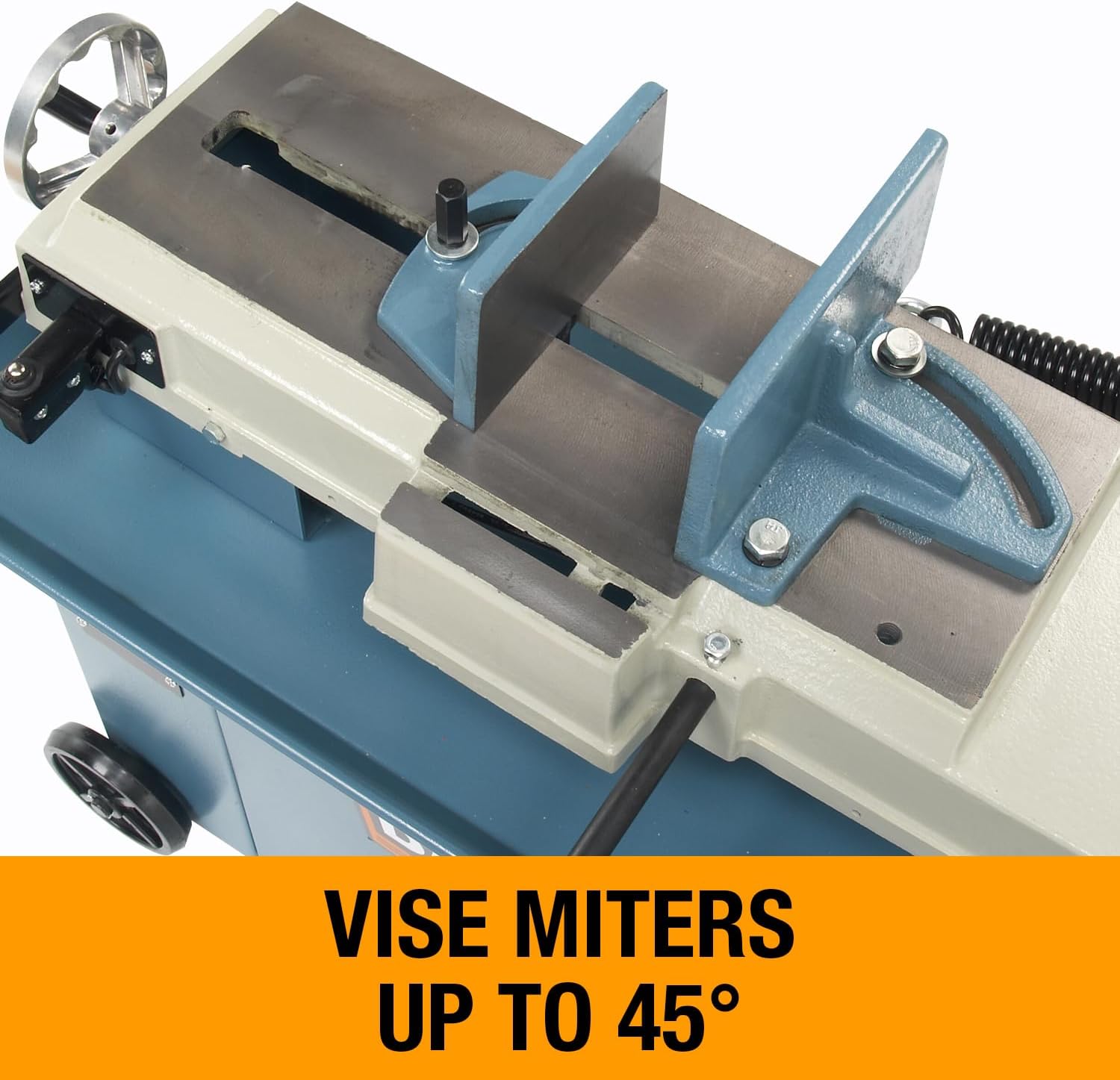
Figure 3.8: The hydraulic descent control allows for precise and controlled lowering of the saw head during cutting.
4. Setup
Before operating your bandsaw, proper setup is crucial for safety and performance.
4.1 Unpacking and Assembly
- Carefully remove the bandsaw from its packaging. Inspect for any shipping damage.
- Attach the wheels to the base of the machine for portability. Ensure they are securely fastened.
- Position the bandsaw on a firm, level surface in your designated work area.
- Connect the power cord to a grounded 120V, 1Ph electrical outlet.
4.2 Blade Installation and Tensioning
- Ensure the machine is unplugged.
- Open the blade guard covers.
- Carefully place the blade around the wheels, ensuring the teeth are pointing in the correct cutting direction.
- Adjust the blade tension according to the manufacturer's recommendations, typically using a tensioning knob. The blade should be taut but not overly stressed.
- Adjust the blade guides to provide proper support to the blade, ensuring they are close to the workpiece but not binding the blade.
- Close and secure all blade guard covers.
4.3 Coolant System Setup
- Fill the coolant reservoir with appropriate metalworking coolant. Do not use water alone.
- Ensure the coolant lines are properly routed to the cutting area.
5. Operating Instructions
Follow these steps for safe and effective operation of your bandsaw.
5.1 Selecting Operating Position (Horizontal/Vertical)
- Horizontal Mode: For general cut-offs, the saw bow remains in the horizontal position.
- Vertical Mode: For precise shape cutting, lift the saw bow and lock it into the upright vertical position. Ensure it is securely latched before use.
5.2 Material Clamping and Mitering
- Place the workpiece firmly against the vise jaw.
- Tighten the vise to securely hold the material. Ensure the material is stable and will not shift during cutting.
- For miter cuts, loosen the vise and rotate it to the desired angle (up to 45 degrees). Re-tighten the vise securely.
5.3 Blade Speed Selection
Select the appropriate blade speed (125, 215, or 270 FPM) based on the type and thickness of the material being cut. Refer to a material cutting chart for optimal speed recommendations. Generally, harder metals and thicker materials require slower speeds.
5.4 Cutting Operation
- Ensure all safety guards are in place and the workpiece is securely clamped.
- Turn on the coolant system, if applicable.
- Start the motor. Allow the blade to reach full speed before engaging the workpiece.
- Slowly lower the saw head using the hydraulic descent control, applying steady, even pressure. Do not force the cut.
- Allow the blade to cut through the material. The hydraulic system will control the descent rate.
- Once the cut is complete, turn off the motor and allow the blade to stop completely before raising the saw head and removing the workpiece.
6. Maintenance
Regular maintenance ensures the longevity and optimal performance of your bandsaw.
- Daily Cleaning: After each use, clean metal chips and debris from the machine, especially around the blade, guides, and coolant system.
- Blade Inspection: Regularly inspect the blade for wear, damage, or dullness. Replace dull or damaged blades promptly.
- Blade Guides: Check and adjust blade guides to ensure proper alignment and support. Replace worn guide bearings.
- Coolant System: Periodically check coolant levels and replenish as needed. Clean the coolant reservoir and filter to prevent clogging and maintain coolant effectiveness.
- Lubrication: Lubricate moving parts as indicated in the machine's specific lubrication points.
- Electrical Components: Inspect power cords and electrical connections for any signs of wear or damage.
- General Inspection: Routinely check all nuts, bolts, and fasteners for tightness.
7. Troubleshooting
This section addresses common issues you might encounter with your bandsaw.
| Problem | Possible Cause | Solution |
|---|---|---|
| Poor cut quality (rough, uneven) | Dull blade, incorrect blade tension, worn blade guides, incorrect blade speed, workpiece not secure. | Replace blade, adjust blade tension, inspect/replace blade guides, select correct blade speed, re-clamp workpiece securely. |
| Blade breakage | Excessive blade tension, incorrect blade for material, forcing the cut, worn blade guides, material shifting. | Adjust blade tension, use appropriate blade, reduce feed pressure, inspect/replace blade guides, ensure workpiece is secure. |
| Motor not starting | No power, emergency stop engaged, thermal overload tripped, faulty switch. | Check power connection, disengage emergency stop, reset thermal overload, contact service if switch is faulty. |
| Coolant not flowing | Low coolant level, clogged pump/lines, faulty pump. | Refill coolant, clean pump/lines, inspect/replace pump. |
8. Specifications
Key technical specifications for the Baileigh BS-712M Metal Cutting Bandsaw:
| Specification | Value |
|---|---|
| Model Number | BS-712M |
| Cutting Capacity (Round @ 90°) | 7 inches OD |
| Cutting Capacity (Rectangle @ 90°) | 7 inches x 10.25 inches |
| Mitering Angle | Up to 45 degrees |
| Power Source | Corded Electric |
| Voltage | 120 Volts |
| Motor Horsepower | 1 HP |
| Blade Speeds | 125, 215, 270 FPM |
| Blade Length | 92.91 Inches |
| Item Weight | 343 Pounds |
| Product Dimensions (L x W x H) | 53.25" x 49.25" x 64.12" |
| Included Components | Saw, Blade, Wheels, Stop Bar, Cutting Plate, Drain Screen, Hardware |
| UPC | 731325399134 |
9. Warranty and Support
Baileigh provides comprehensive support for its products.
9.1 Warranty Information
The Baileigh BS-712M Metal Cutting Bandsaw is covered by a one-year parts warranty. This warranty covers defects in materials and workmanship under normal use.

Figure 9.1: The Baileigh BS-712M comes with a 1-year parts warranty.
9.2 Technical Support
Baileigh offers lifetime technical support by phone for the BS-712M bandsaw. For assistance with operation, troubleshooting, or parts, please contact Baileigh customer service directly.
For further information or support, please visit the official Baileigh website or contact their customer service department.

