
1. Product Overview
The NGK Ignition Coil U5033, model 48127, is a critical component within your vehicle's ignition system. Its primary function is to transform the low voltage from the vehicle's battery into the high voltage necessary to create an ignition spark. This spark ignites the air-fuel mixture in the combustion chamber, initiating the engine's power stroke. NGK ignition coils are engineered with a specialized design and utilize innovative materials to ensure reliable ignition even under demanding conditions. They offer excellent resistance to vibrations, short circuits, and humidity, contributing to a long operational lifespan.
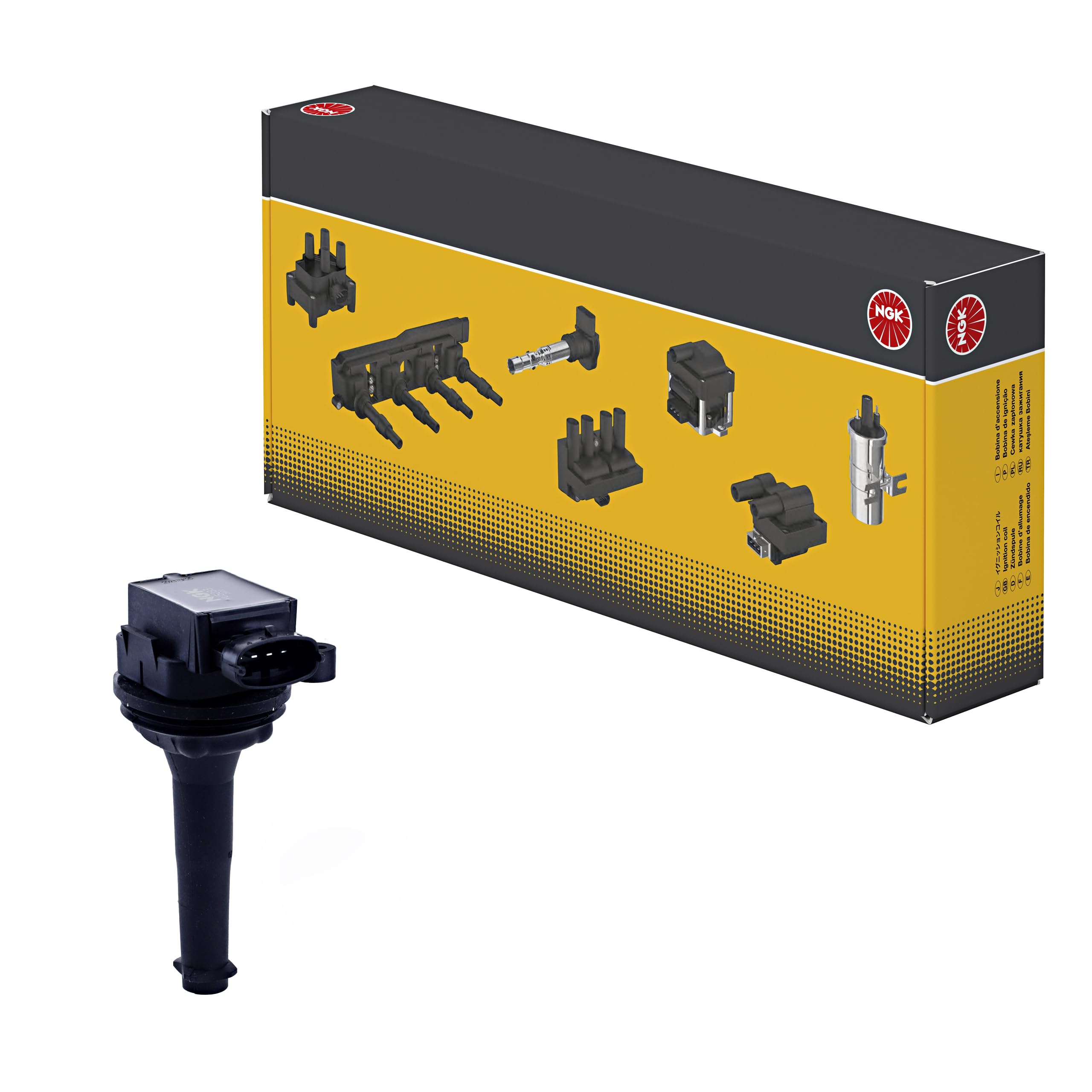
Figure 1.1: NGK Ignition Coil U5033, Model 48127. This image displays the complete ignition coil unit, highlighting its robust construction and electrical connector.
2. Safety Information
Always prioritize safety when working on your vehicle's electrical system. High voltages are present in the ignition system, which can cause severe injury or death. Follow these guidelines:
- Disconnect the Battery: Before beginning any work on the ignition system, always disconnect the negative terminal of the vehicle's battery to prevent accidental electrical discharge.
- Allow Engine to Cool: Ensure the engine is cool to the touch before working to avoid burns from hot engine components.
- Wear Protective Gear: Use appropriate personal protective equipment, including safety glasses and gloves.
- Consult a Professional: If you are unsure about any step of the installation or maintenance process, consult a qualified automotive technician.
- Avoid Contact with High Voltage: Do not touch ignition components while the engine is running or the ignition is on.
3. Setup and Installation
The NGK Ignition Coil U5033, model 48127, is designed for vehicle-specific fitment and typically features a screw-in installation type. Proper installation is crucial for optimal engine performance and longevity of the component.
3.1 Pre-Installation Checks
- Verify that the NGK Ignition Coil U5033 (model 48127) is the correct part for your specific vehicle make and model. Refer to your vehicle's service manual or a reputable parts catalog.
- Inspect the new ignition coil for any visible damage or defects before installation.
- Gather all necessary tools, which may include wrenches, sockets, screwdrivers, and a torque wrench.
3.2 Installation Procedure
- Disconnect Battery: As a safety precaution, disconnect the negative terminal of your vehicle's battery.
- Locate Old Coil: Identify the location of the existing ignition coil(s) in your engine compartment.
- Disconnect Electrical Connector: Carefully disconnect the electrical connector from the old ignition coil. Avoid pulling on the wires.
- Remove Fasteners: Unscrew any bolts or fasteners securing the old ignition coil in place.
- Remove Old Coil: Gently remove the old ignition coil from its mounting.
- Install New Coil: Insert the new NGK Ignition Coil U5033 into the mounting location. Ensure it seats properly.
- Secure Fasteners: Reinstall the bolts or fasteners, tightening them to the manufacturer's specified torque. Refer to your vehicle's service manual for exact torque specifications.
- Connect Electrical Connector: Reconnect the electrical connector to the new ignition coil, ensuring a secure connection.
- Reconnect Battery: Reconnect the negative terminal of the vehicle's battery.
- Test System: Start the engine and check for proper operation. Listen for any unusual noises or observe any warning lights.
Important Note: For vehicles equipped with multiple individual ignition coils, it is often recommended to replace the complete set rather than just a single defective coil to ensure balanced performance and prevent future issues.

Figure 3.1: NGK Ignition Coil in its packaging. Always ensure the part number matches your requirements before opening and installing.
4. Operating Principles
The ignition coil operates on the principle of electromagnetic induction. When the engine's control unit sends a signal, current flows through the primary winding of the coil, creating a magnetic field. When this current is interrupted, the magnetic field collapses rapidly, inducing a very high voltage (typically tens of thousands of volts) in the secondary winding. This high voltage is then directed to the spark plug, creating an electrical arc that ignites the fuel-air mixture in the engine cylinder. This precise and powerful spark is essential for efficient combustion and optimal engine performance.
5. Maintenance
While NGK ignition coils are designed for durability and a long service life, they are considered wear parts within the ignition system. Regular inspection and timely replacement are essential for maintaining optimal engine performance and preventing potential issues.
5.1 Inspection
- Visual Check: Periodically inspect the ignition coils for any signs of physical damage, cracks, discoloration, or corrosion on the terminals.
- Electrical Connections: Ensure all electrical connectors are clean, secure, and free from corrosion.
- Surrounding Components: Check spark plugs and spark plug wires (if applicable) for wear, as these can affect coil performance.
5.2 Replacement
The lifespan of an ignition coil can vary depending on driving conditions and vehicle usage. If an ignition coil is found to be faulty during inspection or if symptoms of failure arise, it should be replaced promptly. Follow the installation procedure outlined in Section 3.2 for replacement.

Figure 5.1: A mechanic inspecting an ignition coil. Regular checks are vital for identifying wear and ensuring proper function.
6. Troubleshooting
A malfunctioning ignition coil can lead to various engine performance issues. If you experience any of the following symptoms, your ignition coil may require inspection or replacement:
- Engine Misfires: The engine may run rough, especially during acceleration, or feel like it's skipping a beat.
- Reduced Fuel Economy: Inefficient combustion due to a weak spark can lead to increased fuel consumption.
- Check Engine Light: The vehicle's onboard diagnostic system may illuminate the check engine light, often accompanied by specific trouble codes related to ignition system faults.
- Rough Idling: The engine may vibrate excessively or have an inconsistent idle speed.
- Difficulty Starting: A weak or absent spark can make the engine hard to start or prevent it from starting altogether.
- Loss of Power: The vehicle may experience a noticeable decrease in acceleration and overall power.
Recommendation: If you suspect an ignition coil issue, it is recommended to have your vehicle diagnosed by a qualified technician. They can accurately identify the faulty component and ensure proper repair.
7. Specifications
The following specifications apply to the NGK Ignition Coil U5033, Model 48127:
| Feature | Specification |
|---|---|
| Brand | NGK |
| Model Number | U5033, 48127 |
| Product Dimensions (L x W x H) | 21.7 x 8.3 x 6.8 cm |
| Item Weight | 222 Grams |
| Installation Type | Screw-in |
| Connector Gender | Male |
| Vehicle Service Type | Car |
| Fitment Type | Vehicle Specific Fit |
| Equivalent OEM Part Numbers | 30713416, 9125601 (VOLVO 9125601) |
| Country of Origin | China |
8. Warranty and Support
8.1 Manufacturer's Warranty
The NGK Ignition Coil U5033, Model 48127, is covered by a one-year manufacturer's warranty. This warranty typically covers defects in materials and workmanship under normal use and service. Please retain your proof of purchase for warranty claims.
8.2 Customer Support
For technical assistance, warranty inquiries, or further information regarding the NGK Ignition Coil U5033, Model 48127, please refer to the official NGK website or contact their customer service department. Contact details can typically be found on the product packaging or the manufacturer's official online resources.


