
1. Introduction to Your Clymer Service Manual
This Clymer Service Manual provides detailed instructions for the maintenance, service, and repair of Suzuki RM125 motorcycles manufactured between 1989 and 1995. It is designed for the do-it-yourself enthusiast, offering clear, step-by-step procedures to help you understand and service your motorcycle effectively. The manual covers all major systems, from routine upkeep to extensive overhauls.
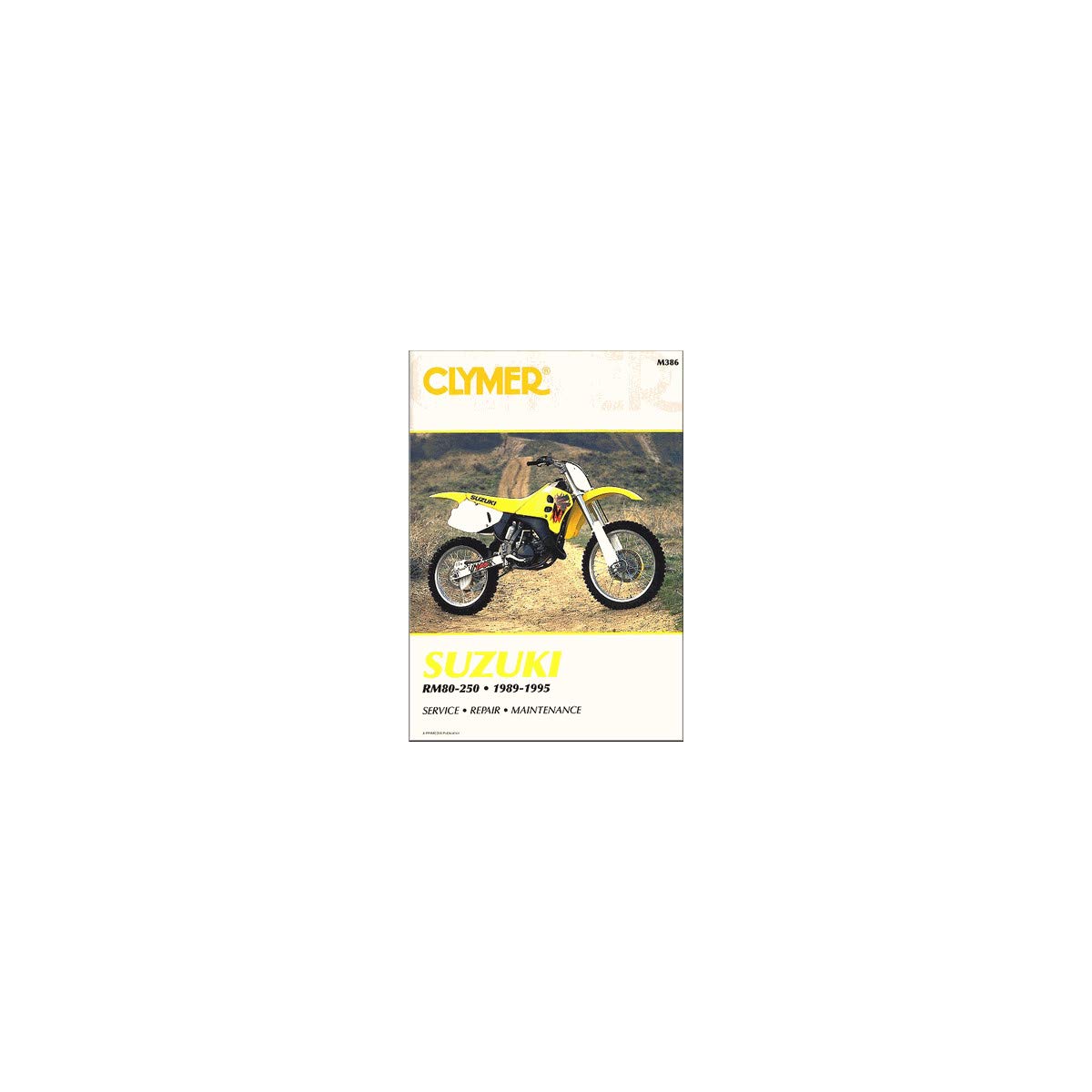
Figure 1.1: Cover of the Clymer Service Manual for Suzuki RM125 (1989-1995). This image displays the front cover of the manual, indicating the brand, model, and years covered, providing a visual reference for the product.
2. Using This Manual Effectively
To get the most out of your Clymer Service Manual, familiarize yourself with its structure and conventions:
- Chapter Organization: The manual is divided into chapters, each focusing on a specific system or component of the motorcycle (e.g., Engine, Chassis, Electrical).
- Step-by-Step Procedures: Most repair and maintenance tasks are presented as numbered steps. Follow these sequentially for best results.
- Illustrations and Diagrams: Detailed photographs and exploded-view diagrams accompany the text to clarify procedures and component locations. Refer to these visuals frequently.
- Safety Warnings: Pay close attention to all safety warnings and cautions indicated throughout the manual. These are crucial for preventing injury and damage.
- Torque Specifications: Critical fasteners have specified torque values. Always use a torque wrench to ensure proper assembly and prevent damage.
3. Safety Precautions
Always prioritize safety when working on your motorcycle. This manual provides guidance, but personal responsibility is paramount. Observe the following general safety precautions:
- Wear appropriate personal protective equipment (PPE), including safety glasses, gloves, and sturdy footwear.
- Ensure the motorcycle is stable on a stand before beginning any work.
- Disconnect the battery before working on the electrical system to prevent accidental shorts.
- Allow hot components (engine, exhaust) to cool before handling.
- Work in a well-ventilated area, especially when dealing with fuel, solvents, or exhaust fumes.
- Keep a fire extinguisher nearby when working with flammable materials.
- Dispose of fluids and hazardous materials responsibly according to local regulations.
4. Routine Maintenance
Regular maintenance is essential for the longevity and performance of your Suzuki RM125. This section outlines common routine tasks:
- Oil and Filter Changes: Procedures for draining old oil, replacing the oil filter, and refilling with the correct type and amount of engine oil.
- Air Filter Cleaning/Replacement: Instructions for inspecting, cleaning, or replacing the air filter element to ensure proper engine breathing.
- Chain Maintenance: Guidance on cleaning, lubricating, and adjusting drive chain tension.
- Brake System Checks: How to inspect brake fluid levels, pad wear, and brake line condition.
- Tire Inspection: Checking tire pressure, tread wear, and overall condition.
- Spark Plug Inspection/Replacement: Steps for removing, inspecting, gapping, and replacing spark plugs.
5. Engine and Transmission
This section provides detailed procedures for servicing the engine and transmission components:
- Top End Overhaul: Disassembly, inspection, and reassembly of the cylinder, piston, and cylinder head.
- Crankcase Splitting: Procedures for separating the crankcase halves to access the crankshaft and transmission components.
- Transmission Service: Inspection and replacement of gears, shift forks, and shafts.
- Clutch System: Disassembly, inspection, and reassembly of the clutch plates, springs, and basket.
- Carburetor Service: Cleaning, adjustment, and rebuilding procedures for the carburetor.
6. Chassis and Suspension
Information regarding the motorcycle's frame, steering, and suspension systems:
- Frame Inspection: Checks for cracks, bends, or damage to the main frame.
- Steering Head Bearings: Adjustment, inspection, and replacement of steering head bearings.
- Front Forks: Disassembly, inspection, oil change, and reassembly of the front suspension forks.
- Rear Shock Absorber: Removal, inspection, and reinstallation of the rear shock.
- Swingarm: Inspection and lubrication of swingarm pivot bearings.
- Wheels and Tires: Removal, inspection, and installation of wheels, including tire mounting and balancing considerations.
7. Electrical System
This section covers the electrical components and wiring of your Suzuki RM125:
- Wiring Diagrams: Detailed diagrams to assist in tracing electrical circuits.
- Ignition System: Testing and troubleshooting components such as the CDI unit, ignition coil, and spark plug.
- Charging System: Inspection of the stator and rectifier/regulator (if applicable for the model year).
- Lighting and Switches: Troubleshooting and replacement of lights, switches, and associated wiring.
- Battery: Maintenance, testing, and replacement procedures for the battery.
8. Troubleshooting Common Issues
This section provides a guide to diagnosing and resolving common problems that may arise with your Suzuki RM125:
| Symptom | Possible Cause | Action |
|---|---|---|
| Engine will not start | No spark, no fuel, low compression | Check spark plug, fuel supply, carburetor, and engine compression. |
| Poor engine performance | Clogged air filter, incorrect jetting, worn piston/rings | Inspect air filter, adjust carburetor, check engine top end. |
| Brakes feel spongy | Air in brake lines, worn pads, low fluid | Bleed brake system, inspect pads, check fluid level. |
| Excessive smoke from exhaust | Incorrect fuel/oil mix, worn piston/rings, crank seal leak | Verify fuel mix, check engine top end, inspect crank seals. |
9. Specifications
This section provides key technical specifications for the Suzuki RM125 (1989-1995) models. Refer to the specific year model within the manual for precise values.
- Engine Type: 2-stroke, single cylinder, liquid-cooled
- Displacement: 124cc
- Bore x Stroke: Varies by year (e.g., 54.0 x 54.0 mm)
- Compression Ratio: Varies by year
- Carburetor: Mikuni (model varies by year)
- Ignition System: CDI
- Transmission: 6-speed constant mesh
- Front Suspension: Inverted telescopic fork
- Rear Suspension: Link type, single shock
- Brakes: Front and rear disc
- Fuel Tank Capacity: Approximately 8-9 liters
- Oil Type: Refer to manual for specific engine and transmission oil recommendations.
10. Support Information
For additional support or inquiries regarding your Clymer Service Manual, please refer to the publisher's official resources:
- Publisher: Clymer
- Official Website: For product updates, errata, or general inquiries, visit the official Clymer website. (Specific URL not provided in product data, search for 'Clymer Manuals official website').
- Customer Service: Contact information for customer service can typically be found on the publisher's website or within the manual itself.
This manual is designed to be a comprehensive guide. If you encounter issues beyond the scope of this manual or are uncomfortable performing a repair, it is recommended to consult with a qualified motorcycle mechanic.


