
1. Introduction
This manual provides essential information for the safe handling, installation, and understanding of the Cooper Bussmann KAC-2 TRON Rectifier Fuse. This fuse is designed to protect electrical circuits from overcurrent conditions, specifically in rectifier applications. Proper installation and adherence to safety guidelines are crucial for optimal performance and safety.
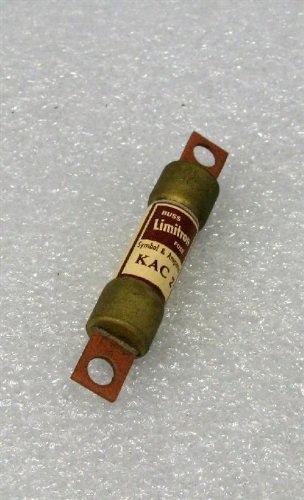
Image 1: The Cooper Bussmann KAC-2 TRON Rectifier Fuse. It is a cylindrical fuse with metal end caps for electrical connection, featuring a label that reads 'BUSS Limitron Fuse Symbol & Amps KAC-2'.
2. Safety Information
Always prioritize safety when working with electrical components. Failure to follow these safety instructions may result in electric shock, fire, or personal injury.
- Disconnect Power: Always ensure that the power supply to the circuit is completely disconnected and locked out before installing, inspecting, or replacing fuses.
- Qualified Personnel: Installation and maintenance should only be performed by qualified and trained personnel familiar with electrical safety procedures and local electrical codes.
- Proper Rating: Always replace a blown fuse with a fuse of the identical type, voltage rating, and ampere rating (e.g., KAC-2). Using an incorrect fuse can lead to inadequate protection, circuit damage, or fire.
- Avoid Contact: Do not touch live electrical parts. Use insulated tools.
- Environmental Conditions: Ensure the fuse is used within its specified environmental conditions (temperature, humidity) to prevent premature failure.
3. Setup and Installation
The KAC-2 TRON Rectifier Fuse is designed for through-hole mounting. Follow these general steps for installation:
- Power Disconnection: Verify that all power to the circuit where the fuse will be installed is turned off and secured.
- Identify Fuse Holder: Locate the appropriate fuse holder or terminals designed for this type of cartridge fuse.
- Insert Fuse: Carefully insert the KAC-2 fuse into the designated fuse holder. Ensure that the metal end caps make firm and secure contact with the terminals. The mounting type is Through-Hole Mount, meaning it connects directly into a circuit board or terminal block via its end caps.
- Verify Connection: Double-check that the fuse is seated correctly and that there are no loose connections.
- Restore Power: Once installation is complete and verified, restore power to the circuit.
Refer to the equipment's specific wiring diagrams and instructions for detailed installation procedures.
4. Operating Principles
The Cooper Bussmann KAC-2 TRON Rectifier Fuse is a passive safety device. Its primary function is to protect electrical components, particularly rectifiers, from damage caused by excessive current. When the current flowing through the fuse exceeds its rated ampere value for a specified duration, the metallic element inside the fuse melts, creating an open circuit and interrupting the current flow. This action prevents damage to downstream equipment and reduces the risk of fire.
- Normal Operation: Under normal operating conditions, the fuse allows current to pass through without interruption.
- Overcurrent Event: In the event of an overcurrent (e.g., short circuit or overload), the fuse will 'blow' (open) to protect the circuit.
- Rectifier Protection: TRON rectifier fuses are specifically designed with characteristics suitable for protecting rectifiers, which can experience high inrush currents.
5. Maintenance
Fuses generally require minimal maintenance. However, periodic inspection is recommended to ensure continued circuit protection.
- Visual Inspection: Periodically inspect the fuse and its holder for any signs of physical damage, discoloration, or loose connections.
- Replacement: A fuse that has blown must be replaced. It cannot be reset or repaired. Always replace with an identical KAC-2 fuse.
- Cleaning: Ensure the fuse holder and terminals are clean and free from dust or corrosion to maintain good electrical contact.
6. Troubleshooting
The primary troubleshooting scenario for a fuse involves identifying and replacing a blown fuse.
- No Power to Device/Circuit: If a device or circuit suddenly loses power, a blown fuse is a common cause.
- Identify Blown Fuse:
- Visual Check: Some fuses have a clear window or indicator that shows if the element has melted.
- Continuity Test: With power disconnected, use a multimeter to test for continuity across the fuse. A blown fuse will show an open circuit (no continuity).
- Determine Cause: Before replacing the fuse, attempt to identify the cause of the overcurrent (e.g., short circuit, overloaded component). Simply replacing a fuse without addressing the underlying issue will likely result in the new fuse blowing immediately.
- Replace Fuse: Once the cause is addressed, replace the blown fuse with a new Cooper Bussmann KAC-2 TRON Rectifier Fuse, ensuring power is disconnected during replacement.
7. Specifications
| Specification | Detail |
|---|---|
| Model Number | KAC-2 |
| Brand | Bussmann (Cooper Bussmann) |
| Material | Copper |
| Mounting Type | Through-Hole Mount |
| Package Dimensions | 3 x 2 x 2 inches |
| Item Weight | 1 Pound |
| UPC | 051712470025 |
| Date First Available | October 16, 2012 |