
1. Introduction
This manual provides essential information for the proper installation, maintenance, and troubleshooting of your MOOG 515095 Wheel Bearing and Hub Assembly. This component is critical for vehicle safety and performance, ensuring smooth wheel rotation and proper function of the anti-lock braking system (ABS).
The MOOG 515095 hub assembly is engineered with superior materials and undergoes rigorous testing to deliver reliable performance. Its design focuses on minimizing noise and wear, extending service life, and facilitating straightforward installation.
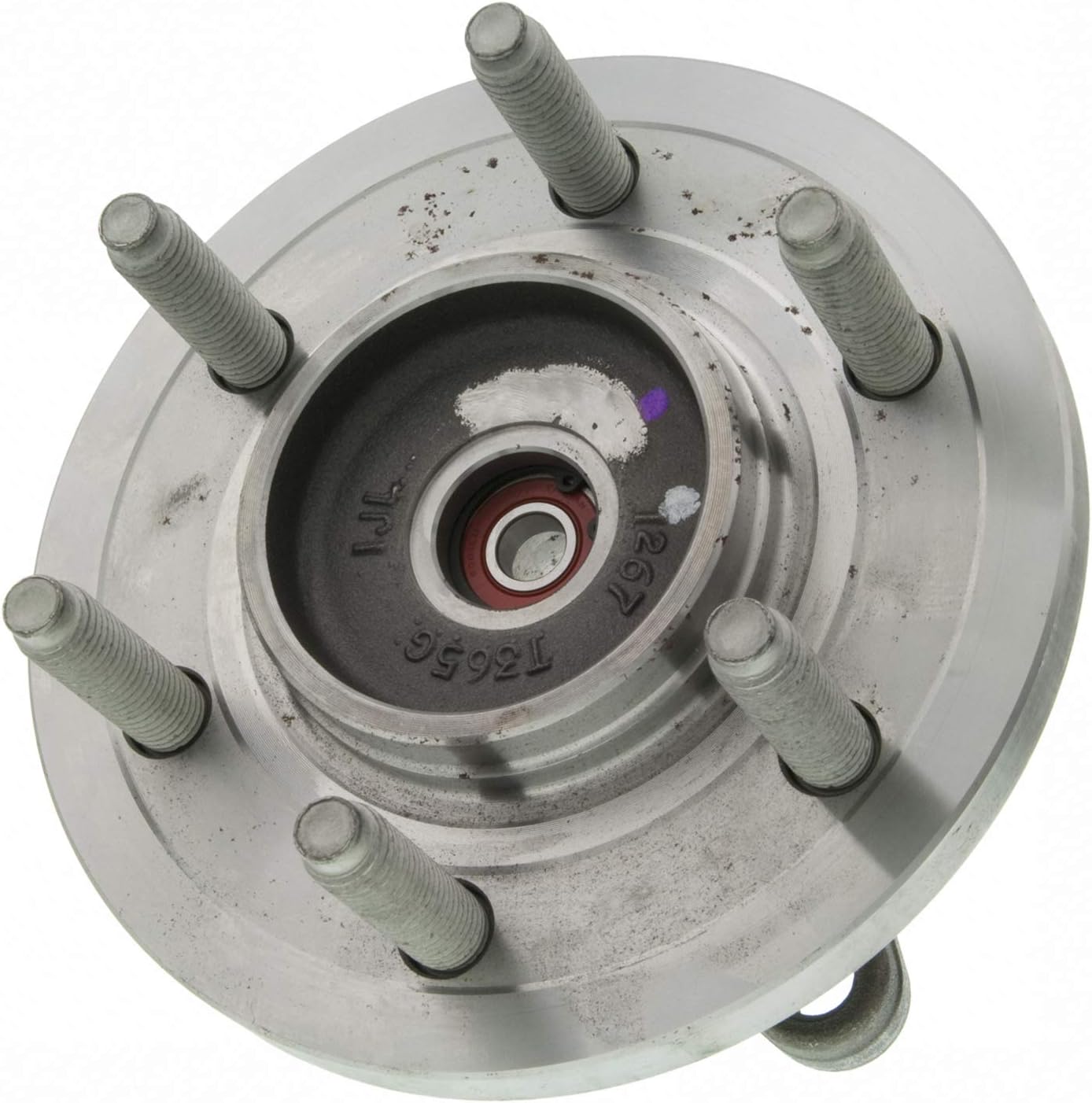
Image 1.1: Top view of the MOOG 515095 Wheel Bearing and Hub Assembly, showcasing its robust construction and integrated wheel studs.
2. Vehicle Compatibility
The MOOG 515095 Wheel Bearing and Hub Assembly is designed for specific vehicle applications. Verify compatibility before installation.
- 2007-2010 Ford Expedition
- 2007-2010 Lincoln Navigator
Always confirm fitment by entering your vehicle's year, make, model, engine, and trim information to ensure the correct part is selected.
3. Safety Precautions
Automotive repair can be hazardous. Adhere to all safety guidelines to prevent injury or damage to the vehicle.
- Wear appropriate personal protective equipment (PPE), including safety glasses and gloves.
- Ensure the vehicle is securely supported on jack stands on a level surface before beginning any work. Never rely solely on a jack.
- Disconnect the vehicle's battery before working on electrical components.
- Use the correct tools for each task.
- Refer to your vehicle's service manual for specific torque specifications and procedures.
- Keep children and pets away from the work area.
4. Installation Guide
4.1. Before You Begin
- Verify that the MOOG 515095 hub assembly is the correct part for your vehicle.
- Inspect the new hub assembly for any signs of damage during shipping.
- Gather all necessary tools and supplies.
4.2. Required Tools
- Jack and jack stands
- Wheel lug wrench
- Socket set and ratchet
- Torque wrench
- Breaker bar (optional, for stubborn fasteners)
- Pry bar or large screwdriver
- Hammer or mallet
- Penetrating oil
- Wire brush
- Brake cleaner
4.3. Step-by-Step Installation (General Procedure)
The following steps provide a general overview. Always consult your vehicle's specific service manual for detailed instructions and torque specifications.
- Prepare the Vehicle: Loosen the lug nuts on the wheel while the vehicle is on the ground. Raise the vehicle and secure it with jack stands. Remove the wheel.
- Access the Hub Assembly: Remove the brake caliper and rotor. Support the caliper to avoid stressing the brake hose.
- Disconnect Sensors: Disconnect any ABS sensor wiring from the old hub assembly.
- Remove Old Hub Assembly: Remove the bolts securing the hub assembly to the steering knuckle. You may need to use a hammer or pry bar to separate the old hub from the knuckle.
- Clean Mounting Surface: Thoroughly clean the mounting surface on the steering knuckle using a wire brush to ensure proper seating of the new hub assembly.
- Install New Hub Assembly: Position the new MOOG 515095 hub assembly onto the steering knuckle. Ensure the ABS sensor (if integrated) is properly aligned. Install and hand-tighten the mounting bolts.
- Torque Bolts: Using a torque wrench, tighten the hub assembly mounting bolts to the manufacturer's specified torque.
- Reconnect Sensors: Reconnect the ABS sensor wiring.
- Reassemble Brakes: Reinstall the brake rotor and caliper. Torque the caliper mounting bolts to specification.
- Reinstall Wheel: Mount the wheel and hand-tighten the lug nuts. Lower the vehicle until the tire just touches the ground, then torque the lug nuts to specification in a star pattern.
- Final Checks: Lower the vehicle completely. Pump the brake pedal several times to restore brake pressure. Test drive the vehicle at low speeds to ensure proper function and listen for any unusual noises.

Image 4.1: Front view of the hub assembly with wheel studs.

Image 4.2: Rear view of the hub assembly, showing the bearing and splines.

Image 4.3: MOOG hub assembly emphasizing reliable performance through precise roll-form design.

Image 4.4: Cutaway view illustrating the durable, application-specific advanced raceway design.
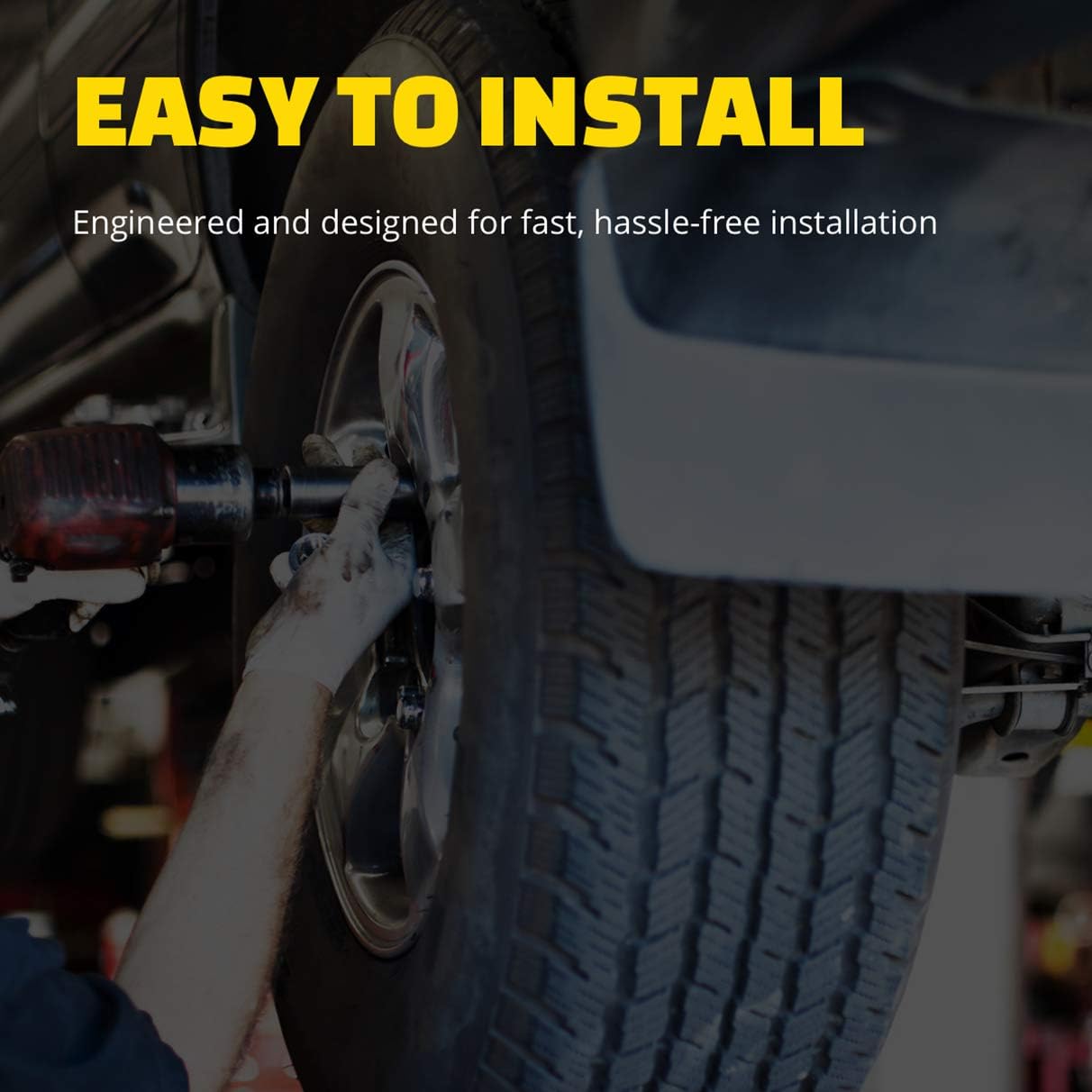
Image 4.5: MOOG hub assembly featuring coated wheel studs for enhanced corrosion protection.

Image 4.6: Illustration of a mechanic performing installation, highlighting the product's easy-to-install design.

Image 4.7: Detailed diagram labeling key components such as ABS cord, roll form design, quad lip seal, precision matched components, and protective coating on wheel studs.

Image 4.8: Diagram illustrating the position of the hub assembly within a vehicle's suspension system.
5. Product Functionality
The wheel bearing and hub assembly is a critical component that allows the wheel to rotate freely while supporting the vehicle's weight. It also houses the wheel speed sensor for the anti-lock braking system (ABS), which is essential for vehicle stability and braking performance. A properly functioning hub assembly ensures smooth driving, accurate steering, and effective braking.
6. Maintenance
While wheel bearing and hub assemblies are generally sealed and require minimal direct maintenance, regular vehicle inspections can help prolong their life and identify potential issues early.
- Regular Inspections: During tire rotations or brake service, inspect the hub assembly for any signs of damage, excessive play, or grease leakage.
- Avoid Impact: Minimize impacts to the wheels, such as hitting potholes or curbs, which can damage bearings.
- Proper Torque: Ensure lug nuts are always torqued to the manufacturer's specifications to prevent uneven stress on the hub.
- Cleanliness: Keep the area around the hub assembly clean, especially after off-road driving, to prevent contaminants from entering seals.
7. Troubleshooting Common Issues
Recognizing the symptoms of a failing wheel bearing and hub assembly is crucial for timely replacement and maintaining vehicle safety.
- Symptom 1: Noise: A humming, grinding, or growling noise that increases with vehicle speed. This noise may change when turning.
- Symptom 2: Vibration: Vibrations felt through the steering wheel or floorboard, which may worsen with speed.
- Symptom 3: ABS Light: An illuminated ABS warning light on the dashboard, often indicating an issue with the wheel speed sensor integrated into the hub assembly.
- Symptom 4: Loose Steering/Wandering: Excessive play in the wheel, leading to a loose steering feel or the vehicle wandering on the road.

Noise/Vibration

Steering Wheel Vibration

ABS Light On

Loose Steering
8. Product Specifications
| Specification | Detail |
|---|---|
| Brand | MOOG |
| Model Number | 515095 |
| Material | Metal |
| Item Weight | 15.71 pounds |
| Product Dimensions (L x W x H) | 8.2 x 7.9 x 5.3 inches |
| Bearing Type | Ball Bearing |
| Specification Met | SAE |
| UPC | 614046966109, 614046958340 |
9. Warranty Information
MOOG products are designed for durability and performance. For specific warranty details regarding the 515095 Wheel Bearing and Hub Assembly, it is recommended to consult the official MOOG warranty documentation provided with your purchase or visit the official MOOG website. Please note that warranty terms can vary based on the point of purchase and specific product lines.
10. Customer Support
For technical assistance, installation questions, or warranty claims, please contact MOOG customer support directly. You can typically find contact information on the official MOOG website or through the retailer where the product was purchased.
MOOG Official Website: www.moogparts.com