
1. Product Overview
The Standard Motor Products US-548L is a replacement ignition lock cylinder designed for specific automotive applications. This component is crucial for starting the vehicle and securing the ignition system. It includes the cylinder mechanism and typically comes with new keys.
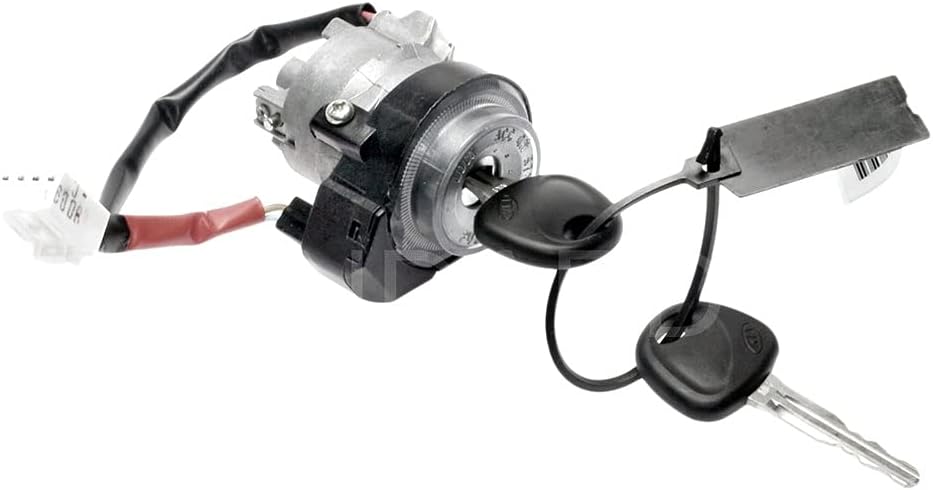
Image 1.1: The US-548L Ignition Lock Cylinder, shown with two accompanying keys and electrical wiring.
2. Important Safety Information
- Always disconnect the vehicle's battery before beginning any electrical work or component replacement to prevent electrical shock or damage.
- Wear appropriate personal protective equipment, including safety glasses and gloves.
- Ensure the vehicle is parked on a level surface with the parking brake engaged.
- If you are unsure about any step of the installation process, consult a qualified automotive technician.
- Refer to your vehicle's specific service manual for detailed instructions and torque specifications.
3. Installation Guide
Installation of an ignition lock cylinder can be complex and may require specialized tools and knowledge. Professional installation by a certified mechanic is highly recommended. The following steps are general guidelines and may vary significantly depending on your vehicle's make and model.
- Preparation: Disconnect the negative terminal of the vehicle's battery. Ensure the steering wheel is locked in the straight-ahead position.
- Access the Ignition Column: Remove any necessary trim panels, steering column covers, or dashboard components to gain access to the existing ignition lock cylinder. This often involves removing screws and clips.
- Remove Old Cylinder: Insert the old key into the existing ignition lock cylinder and turn it to the 'ACC' or 'ON' position (refer to your vehicle's manual for the exact position). Locate the release pin or button on the cylinder housing. Depress the release pin and carefully pull the old cylinder out of its housing.
- Disconnect Wiring: Disconnect any electrical connectors attached to the old ignition lock cylinder or its associated components. Note their positions for reinstallation.
- Install New Cylinder: Connect the electrical wiring to the new US-548L ignition lock cylinder. Ensure connections are secure.
- Insert New Cylinder: Insert the new key into the new cylinder and turn it to the appropriate installation position (usually 'ACC' or 'ON'). Align the new cylinder with the housing and push it firmly until the release pin engages, securing it in place.
- Reassemble: Reinstall all removed trim panels, covers, and dashboard components in reverse order.
- Reconnect Battery: Reconnect the negative terminal of the vehicle's battery.
- Test Functionality: Test the new ignition lock cylinder with the new keys to ensure proper operation through all positions (LOCK, ACC, ON, START). Verify that the vehicle starts and all associated electrical functions work correctly.

Image 3.1: Top view of the US-548L cylinder, illustrating the internal mechanism and wiring attachment point.

Image 3.2: Detailed view of the electrical connector, highlighting the pin configuration for proper connection.
4. Operation
The US-548L Ignition Lock Cylinder operates like a standard automotive ignition system. Insert the provided key into the cylinder and turn it to the desired position:
- LOCK: The steering wheel is locked, and the ignition is off. The key can be removed in this position.
- ACC (Accessory): Allows power to accessories like the radio without turning on the engine.
- ON: Powers the vehicle's electrical systems and allows the engine to run.
- START: Engages the starter motor to crank the engine. The key will spring back to the 'ON' position once released.
Always ensure the key is fully inserted before attempting to turn the cylinder. Do not force the key if it does not turn easily.
5. Maintenance
Proper maintenance can extend the life of your ignition lock cylinder:
- Keep Keys Clean: Avoid attaching heavy keychains that can put stress on the cylinder. Keep keys free of dirt and debris.
- Lubrication: If the key becomes difficult to turn, a small amount of graphite lubricant or a specialized lock lubricant can be applied to the key and inserted into the cylinder. Avoid using oil-based lubricants as they can attract dirt.
- Avoid Forcing: Never force the key if it resists turning. This can damage the internal tumblers or break the key.
- Regular Inspection: Periodically check the cylinder for any signs of wear or damage.
6. Troubleshooting
If you encounter issues with your ignition lock cylinder, consider the following:
| Problem | Possible Cause | Solution |
|---|---|---|
| Key will not turn | Steering wheel lock engaged; Worn key; Damaged cylinder tumblers; Debris in cylinder. | Gently jiggle the steering wheel while turning the key; Try a spare key; Apply graphite lubricant; Inspect for debris. If problem persists, professional inspection is needed. |
| Key gets stuck or is hard to remove | Worn key; Damaged cylinder; Incorrect key position. | Ensure the key is in the 'LOCK' position for removal; Apply lubricant; If severe, cylinder replacement may be necessary. |
| Engine does not start after turning key | Electrical connection issue; Immobilizer system fault; Other vehicle starting system problems. | Check all electrical connections to the cylinder; Consult a professional for diagnosis of the starting or immobilizer system. |
7. Specifications
| Feature | Detail |
|---|---|
| Brand | Standard Motor Products |
| Model Number | US-548L |
| Switch Type | Ignition Switch |
| Control Method | Touch (Key operated) |
| Item Dimensions (L x W x H) | 3 x 7 x 3 inches |
| Item Weight | 12 ounces |
| Unit Count | 1.0 Count |
| UPC | 025623805382 |
8. Warranty and Support
For specific warranty information regarding the Standard Motor Products US-548L Ignition Lock Cylinder, please refer to the documentation provided with your purchase or visit the official Standard Motor Products website. Warranty terms and conditions can vary.
For technical support, installation assistance, or to inquire about replacement parts, please contact Standard Motor Products customer service directly. Contact information can typically be found on their official website or product packaging.
It is recommended to retain your proof of purchase for any warranty claims.