
1. Introduction
This manual provides essential information for the safe and effective use of your Hydrofarm Active Air CCO2 20 lb. CO2 Tank. Please read these instructions thoroughly before handling, setting up, or operating the tank. Proper understanding and adherence to these guidelines will ensure safety and optimal performance.
2. Safety Information
WARNING: Carbon Dioxide (CO2) is a compressed gas. Improper handling can lead to serious injury or death. Always follow local regulations and safety standards.
- Ventilation: Ensure adequate ventilation in areas where CO2 tanks are stored or used. CO2 is heavier than air and can displace oxygen, leading to asphyxiation in enclosed spaces.
- Pressure: This tank operates at high pressure (1800 PSI max fill pressure). Never expose the tank to excessive heat, direct sunlight, or open flames, as this can cause pressure buildup and rupture.
- Handling: Always secure the tank to prevent it from falling. Use a proper hand truck or cart for transportation. Never lift by the valve.
- Storage: Store tanks upright in a cool, dry, well-ventilated area, away from heat sources and corrosive materials. Secure tanks with chains or straps to prevent tipping.
- Valve Protection: Always keep the valve protection cap in place when the tank is not in use or during transport.
- Leak Detection: If a leak is suspected, evacuate the area immediately and ventilate. Use a CO2 leak detector or soapy water solution on connections to identify leaks.
- Refilling: Only allow qualified and certified facilities to refill your CO2 tank. This tank is sold empty.
3. Product Overview
The Hydrofarm Active Air CCO2 20 lb. CO2 Tank is designed for safe and efficient storage of carbon dioxide. Constructed from high-strength aluminum alloy, it offers a lighter alternative to steel tanks and is resistant to rust. This tank is manufactured in accordance with U.S. DOT 3AL and TC 3ALM requirements, ensuring high quality and safety standards.
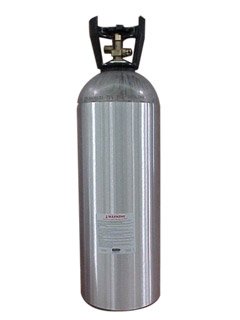
Image 1: Hydrofarm Active Air CCO2 20 lb. CO2 Tank. This image shows the silver aluminum CO2 tank, approximately 23.2 inches tall, with a valve at the top.
Key Features:
- 20 lb. capacity for substantial CO2 supply.
- High-strength aluminum alloy construction for durability and rust resistance.
- Lightweight design compared to steel tanks.
- Manufactured to U.S. DOT 3AL and TC 3ALM standards.
- Inspected and tested by DOT and TC authorized agencies.
- Maximum fill pressure of 1800 PSI.
- Slim design (23.2" high) for efficient space utilization.
4. Setup
The Hydrofarm Active Air CCO2 20 lb. CO2 Tank is sold empty and requires professional filling before use.
- Initial Inspection: Upon receiving the tank, inspect it for any signs of damage during shipping. Ensure the valve protection cap is securely in place.
- Professional Filling: Take the empty tank to a certified CO2 gas supplier for filling. Inform them of the tank's specifications (20 lb. capacity, 1800 PSI max fill pressure).
- Placement: Once filled, transport the tank carefully to its intended location. Place the tank upright on a stable, level surface.
- Securing the Tank: Secure the tank using a wall bracket, chain, or strap to prevent it from tipping over. This is crucial for safety.
- Regulator Connection: Remove the valve protection cap. Connect a compatible CO2 regulator (sold separately) to the tank valve. Ensure the connection is tight and free of leaks. Refer to your regulator's instruction manual for specific connection procedures.
5. Operating
Once the tank is filled and a regulator is properly attached, you can begin operation.
- Opening the Valve: Slowly turn the main valve on top of the CO2 tank counter-clockwise to open it. Do not force the valve.
- Setting Regulator Pressure: Adjust your CO2 regulator to the desired output pressure or flow rate according to the requirements of your application. Monitor the regulator gauges.
- Checking for Leaks: After opening the valve and setting the pressure, apply a soapy water solution to all connections (tank valve to regulator, regulator to tubing) to check for bubbles, which indicate a leak. If a leak is detected, close the tank valve, relieve pressure, and re-tighten connections.
- Closing the Valve: When CO2 is no longer needed, turn the main valve clockwise until it is fully closed.
- Depressurizing the System: After closing the tank valve, open the regulator's output valve or bleed screw to release any remaining pressure in the regulator and lines. This prevents damage to the regulator and ensures safety.
6. Maintenance
Regular maintenance ensures the longevity and safe operation of your CO2 tank.
- Visual Inspection: Periodically inspect the tank for any signs of damage, corrosion, or dents. Do not use a damaged tank.
- Valve Inspection: Check the tank valve for any signs of wear, damage, or leaks. Ensure the valve operates smoothly.
- Cleaning: Keep the exterior of the tank clean and free of dirt or debris. Use a damp cloth; avoid harsh chemicals.
- Hydrostatic Testing and Re-certification: CO2 tanks require periodic hydrostatic testing and re-certification as mandated by DOT regulations. The re-test date is stamped on the tank. Do not use a tank past its re-test date. Contact a certified gas supplier for re-certification services.
- Storage: When not in use for extended periods, ensure the tank valve is closed, the regulator is disconnected, and the valve protection cap is in place. Store as per safety guidelines.
7. Troubleshooting
This section addresses common issues you might encounter with your CO2 tank.
- No CO2 Flow:
- Check if the tank valve is fully open.
- Verify the tank is not empty.
- Inspect the regulator for proper connection and adjustment.
- Check for blockages in the lines or equipment connected to the regulator.
- CO2 Leak:
- Close the tank valve immediately.
- Apply soapy water to all connections (valve, regulator, tubing) to locate the leak.
- Tighten loose connections. Replace faulty O-rings or gaskets.
- If the leak is from the tank valve itself, do not attempt to repair it. Contact a certified gas supplier.
- Low Pressure Reading:
- The tank may be running low on CO2.
- Ensure the tank is not in a very cold environment, which can reduce internal pressure.
- Verify the regulator is functioning correctly.
For issues not covered here, or if you are unsure about any procedure, contact a qualified professional or the manufacturer's support.
8. Specifications
| Specification | Value |
|---|---|
| Model Number | CCO2 |
| Capacity | 20 lb. CO2 |
| Material | High-strength Aluminum Alloy |
| Maximum Fill Pressure | 1800 PSI |
| Dimensions (Approximate) | 23.2 inches (Height) |
| Item Weight (Empty) | 24.8 pounds |
| Certifications | U.S. DOT 3AL, TC 3ALM |
| Color | Silver |
| Indoor/Outdoor Usage | Indoor |
| UPC | 638104010344 |
9. Warranty Information
For specific warranty details regarding your Hydrofarm Active Air CCO2 20 lb. CO2 Tank, please refer to the documentation provided at the time of purchase or visit the official Hydrofarm website. Generally, CO2 tanks are covered against manufacturing defects. Normal wear and tear, improper use, or failure to adhere to safety and maintenance guidelines may void the warranty. Hydrostatic testing and re-certification are the responsibility of the owner and are not typically covered under manufacturer warranty.
10. Support
If you have questions, require technical assistance, or need to report an issue with your Hydrofarm Active Air CCO2 20 lb. CO2 Tank, please contact Hydrofarm customer support. You can typically find contact information on the Hydrofarm official website or on your purchase receipt.
When contacting support, please have your product model number (CCO2) and any relevant purchase information ready to assist in a quicker resolution.