
1. Introduction
This manual provides essential information for the proper handling, installation, and maintenance of the SKF 20952 LDS & Small Bore Seal. This seal is designed to effectively retain lubricants and exclude contaminants in various applications, ensuring optimal performance and longevity of mechanical components. Its specific dimensions are a 2.094" shaft diameter, 2.718" bore diameter, and 0.359" width, featuring an R Lip Code and HM18 Style.

Figure 1: Front view of the SKF 20952 LDS & Small Bore Seal, showing its circular design and sealing surfaces.
2. Key Features
- Lubricant Retention: Engineered to effectively keep lubricants within the system, preventing leakage.
- Contaminant Exclusion: Designed to prevent the ingress of dirt, dust, and other external contaminants.
- Optimized Compounds: Constructed with materials optimized for reliable performance in extreme operating conditions.
- Fluid and Temperature Compatibility: Offers superior compatibility with various fluids and maintains integrity across a range of temperatures.
- Vehicle Specific Fit: Designed for specific vehicle applications, ensuring precise fit and function.
3. Technical Specifications
| Specification | Value |
|---|---|
| Manufacturer | SKF |
| Model Number | 20952 |
| Shaft Diameter | 2.094 inches |
| Bore Diameter | 2.718 inches |
| Width | 0.359 inches |
| Lip Code | R |
| Style | HM18 |
| Item Weight | 0.353 ounces |
| Product Dimensions | 3.13 x 3.13 x 0.63 inches |
| Exterior | Machined |
4. Installation Guidelines
Proper installation is critical for the effective performance and longevity of the seal. Follow these guidelines carefully.
4.1. Safety Precautions
- Always wear appropriate personal protective equipment (PPE), such as gloves and eye protection.
- Ensure the work area is clean and well-lit.
- Handle the seal with care to avoid damage to the sealing lips.
4.2. Installation Steps
- Preparation: Thoroughly clean the shaft and bore housing. Remove any burrs, sharp edges, or contaminants that could damage the seal during installation or operation.
- Inspection: Inspect the seal for any visible defects or damage. Ensure the sealing lips are intact and free from nicks or cuts.
- Lubrication: Apply a thin layer of the system's operating lubricant to the seal's inner lip and the shaft surface. This reduces friction during installation and initial operation.
- Installation Tool: Use a proper seal installation tool or a press to evenly apply force to the outer diameter of the seal case. Avoid striking the seal directly with a hammer or using tools that could deform the seal.
- Alignment: Ensure the seal is installed squarely into the bore. Uneven installation can lead to premature wear and leakage.
- Depth: Install the seal to the correct depth as specified by the equipment manufacturer.
- Verification: After installation, visually inspect the seal to confirm it is seated correctly and the sealing lips are not inverted or damaged.
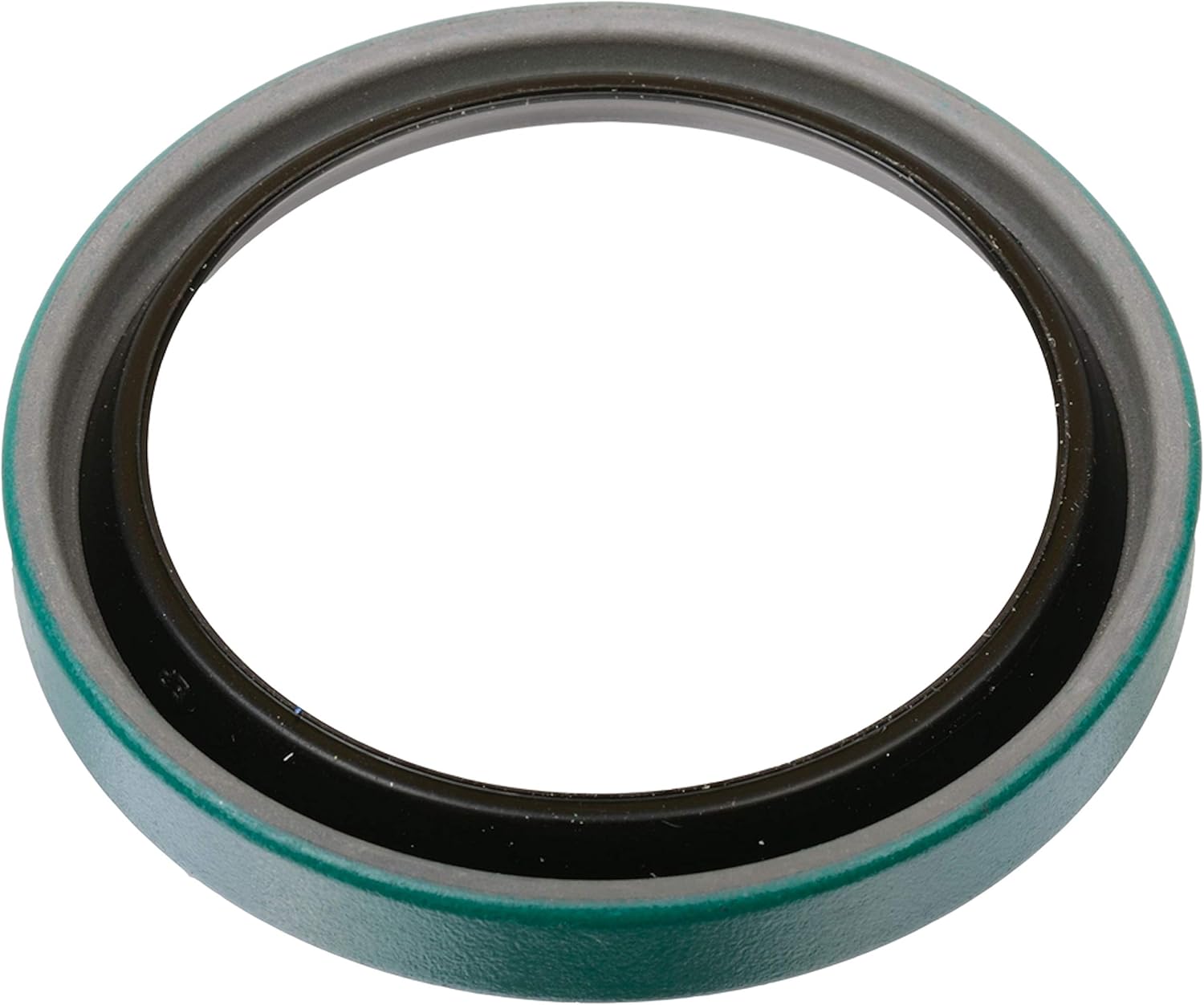
Figure 2: Side view of the SKF 20952 LDS & Small Bore Seal, highlighting the lip design crucial for sealing performance.
5. Operational Principles
Once correctly installed, the SKF 20952 seal functions by creating a dynamic or static barrier between two environments. The primary lip maintains contact with the rotating or stationary shaft, preventing the escape of internal lubricants and blocking the entry of external contaminants. The HM18 style and R lip code indicate specific design characteristics optimized for robust sealing performance under specified conditions. The seal's material composition and design ensure consistent contact pressure and resistance to wear, contributing to its effectiveness over time.
6. Maintenance and Care
While seals are generally low-maintenance components, periodic inspection can help identify potential issues before they lead to system failure.
- Regular Inspection: Periodically check the area around the seal for signs of leakage or excessive wear. Early detection of minor leaks can prevent more significant problems.
- Environmental Factors: Ensure the operating environment is free from abrasive particles or chemicals that could degrade the seal material.
- Proper Storage: If storing seals, keep them in their original packaging in a cool, dry place away from direct sunlight, ozone, and heat sources to prevent material degradation.
7. Troubleshooting Common Issues
If issues arise with the seal, consider the following common problems and their potential causes:
- Leakage:
- Cause: Improper installation (e.g., cocked seal, damaged lip).
- Cause: Damaged shaft surface (e.g., scratches, excessive runout).
- Cause: Seal material incompatibility with operating fluid or temperature.
- Cause: Excessive pressure or vacuum in the system.
- Solution: Re-install correctly, inspect shaft, verify material compatibility, check system pressure.
- Premature Wear:
- Cause: Lack of lubrication or incorrect lubricant.
- Cause: Abrasive contaminants entering the sealing area.
- Cause: Excessive shaft speed or temperature.
- Solution: Ensure adequate lubrication, improve contamination exclusion, verify operating conditions are within seal limits.
8. Warranty and Support
For specific warranty information regarding the SKF 20952 LDS & Small Bore Seal, please refer to the terms and conditions provided at the point of purchase or contact SKF directly. SKF stands behind the quality of its products and offers technical support for installation, application, and troubleshooting.
For further assistance or to inquire about warranty claims, please visit the official SKF website or contact their customer service department.
SKF Official Website: www.skf.com