
Bussmann LP-CC-12
Instruction Manual for Bussmann LP-CC-12 Fuse
Model: LP-CC-12 | Brand: Bussmann
1. Introduction
This manual provides essential information for the safe and effective use of the Bussmann LP-CC-12 fuse. The LP-CC-12 is a 12 Amp, 600V Midget, Time Delay, Current Limiting Class CC Rejection Cartridge Fuse designed for ultimate protection in various electrical applications. It is engineered to protect motor circuits, control circuits, transformers, and general loads against overcurrents and short circuits. Its time-delay characteristic allows for temporary inrush currents without nuisance tripping, while still providing rapid protection under fault conditions.
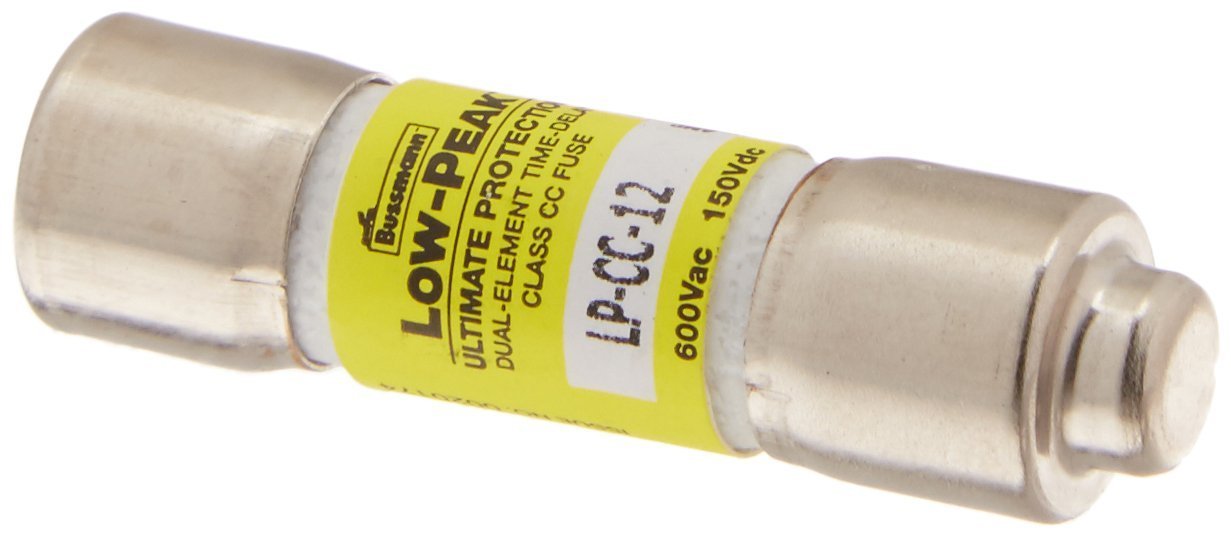
Figure 1: Bussmann LP-CC-12 Time-Delay, Current-Limiting Fuse.
2. Safety Information
WARNING: Electrical shock hazard. Improper installation or use of this product can result in serious injury or death. Always follow these safety guidelines:
- Always disconnect power to the circuit before installing, removing, or inspecting fuses.
- Only qualified electrical personnel should perform installation and maintenance.
- Ensure the replacement fuse has the correct voltage, ampere, and interrupting rating for the application.
- Do not use damaged fuses. Inspect fuses for physical damage before installation.
- Never bypass a fuse or use a fuse with a higher rating than specified.
- Wear appropriate personal protective equipment (PPE), such as insulated gloves and safety glasses, when working with electrical circuits.
3. Setup and Installation
The Bussmann LP-CC-12 fuse is designed for installation in appropriate Class CC fuse blocks or holders.
- Verify Power Disconnection: Before beginning, ensure that all power to the circuit where the fuse will be installed or replaced is completely disconnected and locked out according to established safety procedures. Use a voltage tester to confirm the absence of voltage.
- Identify Fuse Holder: Locate the fuse holder or fuse block designed for Class CC fuses. Ensure it is clean and free of debris.
- Insert Fuse: Carefully insert the LP-CC-12 fuse into the fuse holder. Ensure it is seated firmly and correctly. The rejection feature of Class CC fuses prevents the insertion of fuses with lower interrupting ratings or different classes into a Class CC fuse block.
- Secure Connections: If applicable, ensure any retaining clips or covers on the fuse holder are properly secured.
- Restore Power: Once the fuse is securely installed and all safety checks are complete, power can be restored to the circuit.
4. Operating Principles
The Bussmann LP-CC-12 is a dual-element, time-delay fuse. This design incorporates two distinct elements:
- Time-Delay Element: This element is designed to withstand temporary overcurrents, such as motor starting currents or transformer inrush currents, without opening. This prevents nuisance tripping and allows equipment to start up normally.
- Short-Circuit Element: This element provides rapid response to high-level short-circuit currents, quickly clearing the fault to minimize damage to equipment and wiring.
The current-limiting characteristic means that the fuse will open and clear a fault in less than one-half AC cycle, significantly reducing the peak fault current and the total energy let-through, thereby protecting downstream components. The rejection feature ensures that only Class CC fuses can be installed in Class CC fuse blocks, preventing the use of fuses with inadequate interrupting ratings.
5. Maintenance
Fuses are generally maintenance-free components. However, periodic inspection of the fuse and its holder is recommended to ensure optimal performance and safety.
- Visual Inspection: Periodically inspect the fuse for any signs of physical damage, discoloration, or overheating. A blown fuse may show signs of charring or a broken element if it's a clear-bodied fuse (though this model is not).
- Fuse Holder Condition: Check the fuse holder for loose connections, corrosion, or signs of arcing. Ensure good contact between the fuse and the holder terminals.
- Replacement: If a fuse blows, it must be replaced with a new fuse of the exact same type, voltage rating, and ampere rating (e.g., another Bussmann LP-CC-12). Never attempt to repair a blown fuse.
6. Troubleshooting
The primary "troubleshooting" scenario for a fuse is when it blows.
- Fuse Blows Immediately: If a newly installed fuse blows immediately upon power restoration, it indicates a persistent short circuit or severe overload in the circuit.
- Action: Disconnect power immediately. Investigate the circuit thoroughly to identify and rectify the fault (e.g., shorted wires, faulty equipment, overloaded circuit). Do not replace the fuse until the fault is cleared.
- Fuse Blows Intermittently: If a fuse blows occasionally, it might indicate an intermittent fault, a marginal overload, or an aging component in the circuit.
- Action: Monitor the circuit's load. Check for loose connections, worn insulation, or equipment drawing excessive current. Consider professional electrical inspection.
- Fuse Does Not Blow (but circuit is faulty): If a circuit is malfunctioning but the fuse is intact, the issue is not an overcurrent or short circuit that the fuse is designed to protect against.
- Action: Troubleshoot the electrical circuit and connected equipment for other types of failures (e.g., open circuits, component failure, control issues).
Always replace a blown fuse with one of the identical type and rating to maintain the intended circuit protection.
7. Specifications
| Attribute | Value |
|---|---|
| Model Number | LP-CC-12 |
| Brand | Bussmann |
| AC Adapter Current | 12 Amps |
| Voltage Rating | 600 Volts AC / 150 Volts DC |
| Fuse Type | Midget, Time Delay, Current Limiting Class CC Rejection Cartridge Fuse |
| Material | Copper |
| Mounting Type | Through-Hole Mount (for fuse block) |
| Item Weight | 0.16 ounces |
| First Available Date | June 14, 2012 |
8. Warranty and Support
For information regarding product warranty, technical support, or specific application questions, please refer to the official Bussmann website or contact Bussmann customer service directly.

Figure 2: Bussmann Brand Logo.
Related documentsLP-CC-12


Ask a question about this manual
Ask about setup, troubleshooting, compatibility, parts, safety, or missing instructions. Manuals+ will review the question and use this page’s manual context to help answer it.