
Product Overview
The Chrysler 2401101 Clutch Disc is a critical component designed for specific automotive transmission systems. This fiber clutch disc, measuring 9 1/4 inches, is engineered to facilitate the engagement and disengagement of power from the engine to the transmission, enabling smooth gear changes and efficient power transfer. Proper installation and maintenance are essential for its optimal performance and longevity.
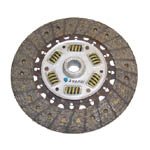
Image: A top-down view of the Chrysler 2401101 Clutch Disc. The disc features a central hub with springs, surrounded by a friction material surface with rivet patterns, designed for efficient power transmission.
Setup and Installation
Installation of the Chrysler 2401101 Clutch Disc requires specialized tools and expertise. It is highly recommended that installation be performed by a certified automotive technician or a qualified professional. Incorrect installation can lead to premature wear, component failure, and potential safety hazards.
Pre-Installation Checks:
- Verify that the clutch disc matches the vehicle's specifications (size, spline count, and type).
- Inspect the new clutch disc for any signs of damage from shipping.
- Ensure the flywheel surface is clean, flat, and free of cracks or hot spots. Resurface or replace the flywheel if necessary.
- Check the pilot bearing/bushing and release bearing for wear and replace if needed.
- Inspect the pressure plate for wear or damage. It is often recommended to replace the clutch disc and pressure plate as a set.
Installation Procedure (General Guidelines):
- Safely lift and support the vehicle.
- Remove the transmission from the vehicle.
- Remove the old clutch assembly (pressure plate and clutch disc).
- Clean the bell housing and transmission input shaft.
- Install the new pilot bearing/bushing and release bearing.
- Align the new clutch disc with an alignment tool and secure the pressure plate to the flywheel, tightening bolts evenly to manufacturer specifications.
- Reinstall the transmission, ensuring proper alignment with the clutch disc splines.
- Reconnect all components and perform a functional check.
Operating Considerations
Once installed, the clutch disc operates as part of the vehicle's manual transmission system. Proper driving habits contribute significantly to the lifespan of the clutch disc.
- Smooth Engagement: Avoid rapid or harsh clutch engagement, which can cause excessive wear and heat.
- Avoid Riding the Clutch: Do not keep your foot on the clutch pedal unnecessarily, as this causes the clutch to slip and wear prematurely.
- Proper Shifting: Ensure the clutch pedal is fully depressed before shifting gears to prevent grinding and strain on the transmission and clutch.
- Neutral at Stops: When stopped for extended periods, shift into neutral and release the clutch pedal to reduce wear on the release bearing and clutch components.
Maintenance
The clutch disc itself is a wear item and does not typically require direct maintenance. However, regular inspection of the entire clutch system and related components can help identify potential issues before they lead to failure.
- Fluid Levels: For hydraulic clutch systems, regularly check and maintain the clutch fluid level (often shared with brake fluid).
- Pedal Free Play: Ensure the clutch pedal has the correct amount of free play as specified by the vehicle manufacturer.
- System Inspection: During routine vehicle maintenance, have a technician inspect the clutch master cylinder, slave cylinder, lines, and linkages for leaks or wear.
- Listen for Noises: Pay attention to any unusual noises (e.g., squealing, grinding) when operating the clutch, as these can indicate wear or damage.
Troubleshooting
Common issues related to clutch disc performance often stem from wear or related component failures. Consult a professional for diagnosis and repair.
-
Clutch Slipping:
The engine RPM increases, but the vehicle does not accelerate proportionally. This often indicates a worn clutch disc, oil contamination on the friction surface, or a weak pressure plate. It can also be caused by insufficient pedal free play.
-
Difficulty Shifting Gears:
Grinding noises or resistance when attempting to shift gears. This may be due to the clutch not fully disengaging (clutch drag), which can be caused by air in the hydraulic system, a faulty master or slave cylinder, or a warped clutch disc/pressure plate.
-
Clutch Chatter/Vibration:
Vibration or shuddering during clutch engagement. Possible causes include a warped flywheel, worn clutch disc splines, damaged pressure plate, or misaligned transmission.
-
Clutch Pedal Issues:
A spongy, hard, or stuck clutch pedal can indicate issues with the hydraulic system (leaks, air), a seized pilot bearing, or a failing pressure plate.
Specifications
| Feature | Value |
|---|---|
| Brand | Chrysler |
| Item Weight | 2.81 pounds |
| Manufacturer Part Number | 2401101 |
| ASIN | B007I8W460 |
| Date First Available | September 25, 2013 |
Warranty and Support
For information regarding the warranty of the Chrysler 2401101 Clutch Disc, please refer to the official Chrysler automotive parts warranty documentation provided at the time of purchase or consult an authorized Chrysler dealership or service center. Warranty terms typically cover manufacturing defects for a specified period or mileage.
For technical support, installation guidance, or to report a potential defect, please contact an authorized Chrysler service provider or the point of purchase. Always provide the part number (2401101) and any relevant vehicle information when seeking support.
You may also visit the official Chrysler Automotive website for general information and to locate authorized service centers: www.chrysler.com