
Fastway 94-00-0600
Fastway e2 2-Point Sway Control Round Bar Weight Distribution Hitch
Model: 94-00-0600
Introduction
This manual provides comprehensive instructions for the proper setup, operation, and maintenance of your Fastway e2 2-Point Sway Control Round Bar Weight Distribution Hitch. Adhering to these guidelines ensures safe and efficient towing performance.
The Fastway e2 hitch is designed to create a stable connection between your tow vehicle and trailer, distributing weight evenly across axles and providing integrated sway control. This system eliminates the need for separate add-on sway bars, simplifying setup and operation.
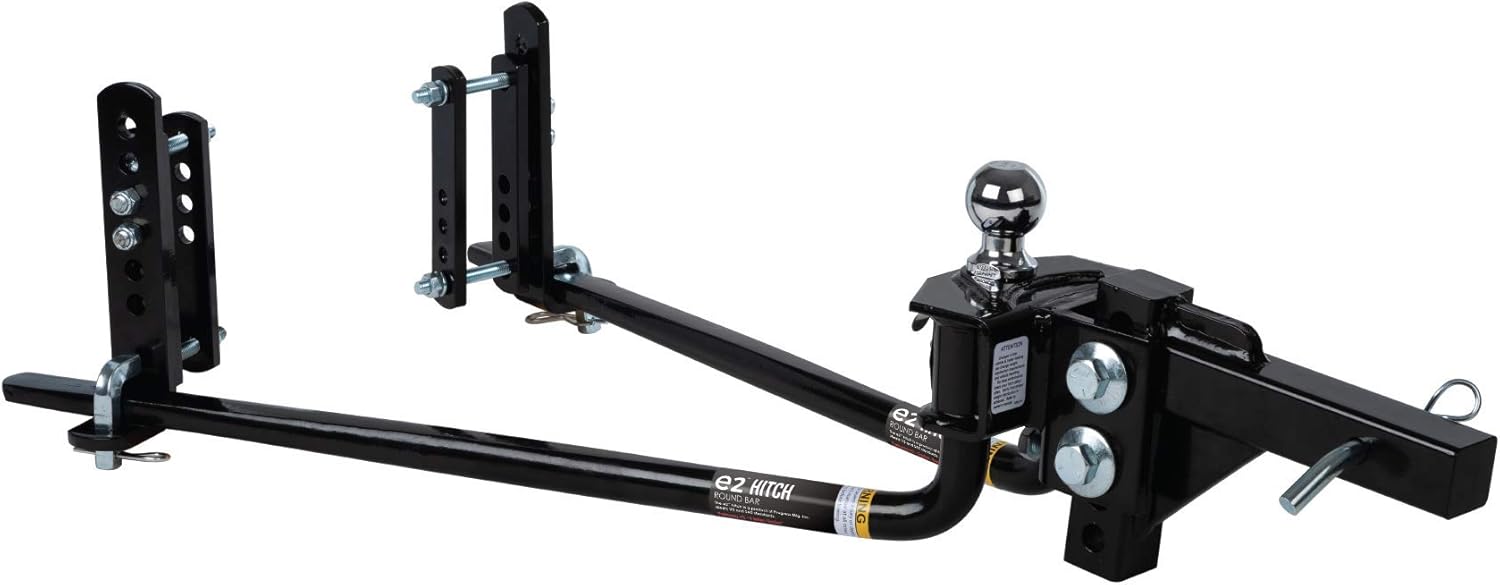
Figure 1: Fastway e2 2-Point Sway Control Round Bar Hitch components.
Setup
Proper setup is crucial for the safe and effective operation of your Fastway e2 hitch. Follow these steps carefully:
- Initial Measurements: Before attaching the hitch, ensure your trailer is level. Measure the height from the ground to the coupler socket of the leveled trailer. Also, measure the height from a reference point on the rear and front of your leveled tow vehicle to the ground. Record these measurements.
- Attach Adjustable Shank: Insert the adjustable shank bar into your tow vehicle's receiver tube. Secure it with the appropriate pin and clip.
- Install Trailer Ball: Loosely attach the head unit to the shank. Install the trailer ball onto the head unit, securing it with the locking washer and nut. Torque the ball to 450 ft-lbs, ensuring the ball's collar is correctly oriented.
- Adjust Head Unit Height: Determine the target uncoupled height for your tow vehicle. This is typically the leveled trailer's coupler measurement plus 1/8 inch for every 100 lbs of tongue weight. Adjust the head unit on the adjustable shank to closely match this target height.
- Secure Head Unit: Use the provided bolts, conical washers, and nylock nuts to loosely install the head unit to the adjustable shank. Rotate the head unit as far forward as possible. Adjust the top set bolt to hold the head against the head channel. Tighten the bottom set screw to hold the head unit in place, but do not overtighten at this stage.
- Connect Trailer: Back your tow vehicle up to the trailer. Lower the trailer coupler onto the trailer ball until the trailer jack no longer supports any trailer weight. Engage the coupler lock.
- Install Frame Brackets: Remove any LP tank covers if necessary. Assemble the support brackets by sandwiching two narrow channel brackets onto either side of the trailer frame. Then, install the wider channel bracket over the outer narrow channel bracket. Run a carriage bolt through the top hole in all three brackets and fasten with a nylock nut. Position the support brackets on the trailer A-frame a minimum of 4 inches in from the end of the spring bars on both sides.
- Lubricate Spring Bar Ends: Apply heavy grease to the spring bar ends that insert into the head unit.
- Insert Spring Bars: Insert both spring bars into the head unit until an audible click is heard, indicating they are locked into place.
- Lift Spring Bars onto L-Brackets: Use the included spring bar lift handle to carefully lift the spring bars onto the L-brackets. Ensure the spring bar seats against the L-bracket and there is tension. If not, a head unit adjustment may be needed.
- Secure Spring Bars: Secure the spring bars using the retainer clips and pins.
- Final Adjustments and Torque: Lower the trailer jack so it doesn't support any trailer weight. Re-measure the front and rear bumper reference points of the tow vehicle and trailer. Adjust the head unit's angle using the two set screws to achieve the correct weight distribution and level stance. Once the tow vehicle and trailer are correctly leveled, tighten the head unit bolts, washers, and locknuts to 200 ft-lbs. Tighten the bottom set screw on the head unit to 50 ft-lbs.

Figure 2: Proper weight distribution ensures improved steering and braking control.
Operating
The Fastway e2 hitch provides integrated sway control and weight distribution for a smoother towing experience. Key operational features include:
- Built-in Sway Control: The e2 system offers permanent 2-point sway control, which helps maintain stability in various towing conditions, such as downhill grades, heavy loads, crosswinds, and during maneuvers. This eliminates the need for additional sway control devices.
- Weight Distribution: The hitch works by creating a bridge between the trailer and the tow vehicle, distributing weight to the axles of both. This helps keep the front axle of your tow vehicle firmly on the ground, improving steering control and stopping power.
- No Backing or Turning Restrictions: Unlike some other hitches, the Fastway e2 can remain attached during backing up and making tight turns, regardless of weather conditions or angle.

Figure 3: The Fastway e2 hitch provides built-in sway control for enhanced stability.
Maintenance
Regular maintenance ensures the longevity and optimal performance of your Fastway e2 hitch:
- Lubrication: Periodically apply heavy-duty grease to the spring bar ends that insert into the head unit. This ensures smooth operation and reduces wear.
- Inspection: Before each trip, inspect all connections, bolts, and pins for tightness and wear. Ensure all components are securely in place.
- Cleaning: Keep the hitch components clean from dirt, debris, and corrosion. Clean with mild soap and water, then dry thoroughly.
Troubleshooting
If you encounter issues with your Fastway e2 hitch, consider the following:
- Insufficient Weight Distribution: If the tow vehicle's front end is still too high or the rear is too low, re-check your initial measurements and head unit angle adjustments. Ensure the spring bars are properly tensioned and seated.
- Excessive Sway: Verify that the spring bars are correctly installed and tensioned. Ensure the head unit is properly torqued and the sway control mechanism is functioning as intended.
- Noise: Some noise during operation is normal, especially during turns, as the sway control mechanism works. However, excessive or unusual noises may indicate a need for lubrication or inspection of components for wear or damage.
- Loose Connections: Regularly check all bolts and nuts for tightness. Over time, vibrations from towing can cause fasteners to loosen.
Specifications
| Feature | Detail |
|---|---|
| Brand | Fastway |
| Model Number | 94-00-0600 |
| Item Weight | 83 Pounds |
| Product Dimensions | 10.5 x 33 x 6 inches |
| Vehicle Service Type | Car, Truck, Van |
| Material | Alloy Steel |
| Finish Type | Powder Coated |
| Maximum Towing Capacity | 6000 Pounds |
| Tongue Weight Rating | 600 Pounds |
Warranty
The Fastway e2 2-Point Sway Control Round Bar Weight Distribution Hitch comes with a 10-Year Limited Warranty, providing peace of mind regarding its quality and craftsmanship.
Support
For customer support or further assistance with your Fastway e2 hitch, please refer to the contact information provided by your retailer or visit the official Fastway Trailer Products website.
Related documents94-00-0600


Ask a question about this manual
Ask about setup, troubleshooting, compatibility, parts, safety, or missing instructions. Manuals+ will review the question and use this page’s manual context to help answer it.