
MICHELIN VCX100/3-100
MICHELIN VCX100/3-100 Air Compressor User Manual
Model: VCX100/3-100
1. Introduction
This manual provides essential information for the safe and efficient operation, maintenance, and troubleshooting of your MICHELIN VCX100/3-100 Air Compressor. Please read this manual thoroughly before operating the compressor and keep it for future reference.

Image 1.1: The MICHELIN VCX100/3-100 Air Compressor, a robust blue unit with a 100-liter tank, black motor, and wheels for mobility.
2. Safety Information
Always observe basic safety precautions to reduce the risk of fire, electric shock, and personal injury. This compressor operates under high pressure and contains moving parts.
General Safety Rules:
- Read all instructions: Familiarize yourself with the controls and proper use.
- Electrical Safety: Ensure the power supply matches the compressor's requirements (230 V). Do not operate in wet conditions.
- Personal Protective Equipment (PPE): Always wear safety glasses or goggles. Hearing protection is recommended due to noise levels (74 dB).
- Ventilation: Operate the compressor in a well-ventilated area to prevent overheating.
- Maintenance: Disconnect power before performing any maintenance or adjustments.
- Pressure Release: Always drain condensed water from the tank regularly and release all air pressure before storage or maintenance.
3. Components Overview
Understand the main parts of your air compressor for safe and effective operation.
- Air Tank (100 Liters): Stores compressed air.
- Motor (2.2 kW / 3 HP): Powers the compressor pump.
- Compressor Pump (Cast Iron Double Cylinder): Compresses air.
- Pressure Regulator: Adjusts the output air pressure.
- Pressure Gauges: Display tank pressure and regulated output pressure.
- Universal Air Outlet: Connection point for air tools.
- Drain Valve: Located at the bottom of the tank for draining condensation.
- Wheels and Handle: For easy mobility.
- Oil Level Window: For checking the oil level.

Image 3.1: Close-up view of the cast iron double cylinder compressor pump, showing its robust construction.
4. Setup
Follow these steps for initial setup before first use.
- Unpacking: Carefully remove the compressor from its packaging. Inspect for any shipping damage.
- Wheel Assembly: Attach the rubber wheels and swivel wheel as per the included assembly instructions.
- Oil Check: Verify the oil level using the oil level window. If low, add appropriate compressor oil (oil-lubricated model).
- Placement: Position the compressor on a firm, level surface in a well-ventilated area. Ensure adequate space around the unit for air circulation.
- Electrical Connection: Connect the compressor to a grounded 230 V power outlet.

Image 4.1: A person demonstrating the ease of moving the compressor using its integrated handle and wheels.
5. Operating Instructions
Detailed steps for operating your MICHELIN air compressor.
Starting the Compressor:
- Ensure the drain valve is closed.
- Plug the compressor into a suitable power outlet.
- Turn the power switch to the 'ON' position. The compressor will start to build pressure.
- Allow the tank to fill to its maximum pressure (10 bar) and the motor to shut off automatically.
Connecting Air Tools:
- Attach your air tool to the universal air outlet.
- Adjust the pressure regulator to the desired operating pressure for your tool. The output pressure gauge will show the regulated pressure.

Image 5.1: A hand connecting an air hose to the universal air outlet of the compressor.

Image 5.2: A hand adjusting the red knob of the pressure regulator to set the desired output pressure.
Shutting Down:
- Turn the power switch to the 'OFF' position.
- Disconnect the air tool.
- Slowly open the drain valve at the bottom of the tank to release all air pressure and drain any accumulated condensation. Close the valve once the tank is empty.
6. Maintenance
Regular maintenance ensures the longevity and optimal performance of your compressor.
Daily Maintenance:
- Drain Tank: Drain condensation from the air tank daily or after each use to prevent rust and maintain tank capacity.
Weekly/Monthly Maintenance:
- Check Oil Level: Regularly check the oil level using the sight glass. Add oil if necessary.
- Clean Air Filter: Inspect and clean the air filter. Replace if damaged or excessively dirty.

Image 6.1: A hand removing the air filter for inspection and cleaning, highlighting a key maintenance step.
Periodic Maintenance:
- Oil Change: Change the compressor oil according to the manufacturer's recommendations or after the first 50 hours of operation, then every 200 hours.
- Inspect Belts: Check the drive belt for wear and proper tension. The automatic belt tensioner should maintain correct tension.
- Check for Leaks: Periodically check all connections for air leaks using soapy water.
7. Troubleshooting
Common issues and their potential solutions.
| Problem | Possible Cause | Solution |
|---|---|---|
| Compressor does not start | No power; Thermal overload tripped; Low voltage | Check power connection/circuit breaker; Allow motor to cool and reset; Use proper extension cord/circuit. |
| Compressor runs continuously or frequently | Air leak; Excessive air consumption; Check valve faulty | Check for leaks and tighten connections; Reduce air tool usage; Contact service for check valve replacement. |
| Low air pressure output | Pressure regulator set too low; Air leak; Clogged air filter | Adjust regulator; Check for leaks; Clean/replace air filter. |
| Excessive noise or vibration | Loose components; Worn bearings; Insufficient oil | Tighten all fasteners; Contact service; Check and add oil. |
| Oil leakage | Loose fittings; Damaged seals; Overfilled oil | Tighten fittings; Contact service for seal replacement; Drain excess oil. |
8. Specifications
Detailed technical specifications for the MICHELIN VCX100/3-100 Air Compressor.
| Feature | Specification |
|---|---|
| Model Number | 1121470290 |
| Tank Capacity | 100 Liters |
| Motor Power | 2.2 kW (3 HP) |
| Maximum Pressure | 10 bar |
| Air Displacement (Ansaugluftstrom) | 350 l/min (21 m³/h) |
| Noise Level | 74 dB(A) LpA 4m - 96 dB(A) LwA |
| Weight | 67 kg |
| Voltage | 230 V |
| Dimensions (L x W x H) | 120 x 40 x 85 cm |
| Material | Alloy Steel, Polypropylene |
| Special Features | Cast Iron Double Cylinder, Metal Cover, Automatic Belt Tensioner |


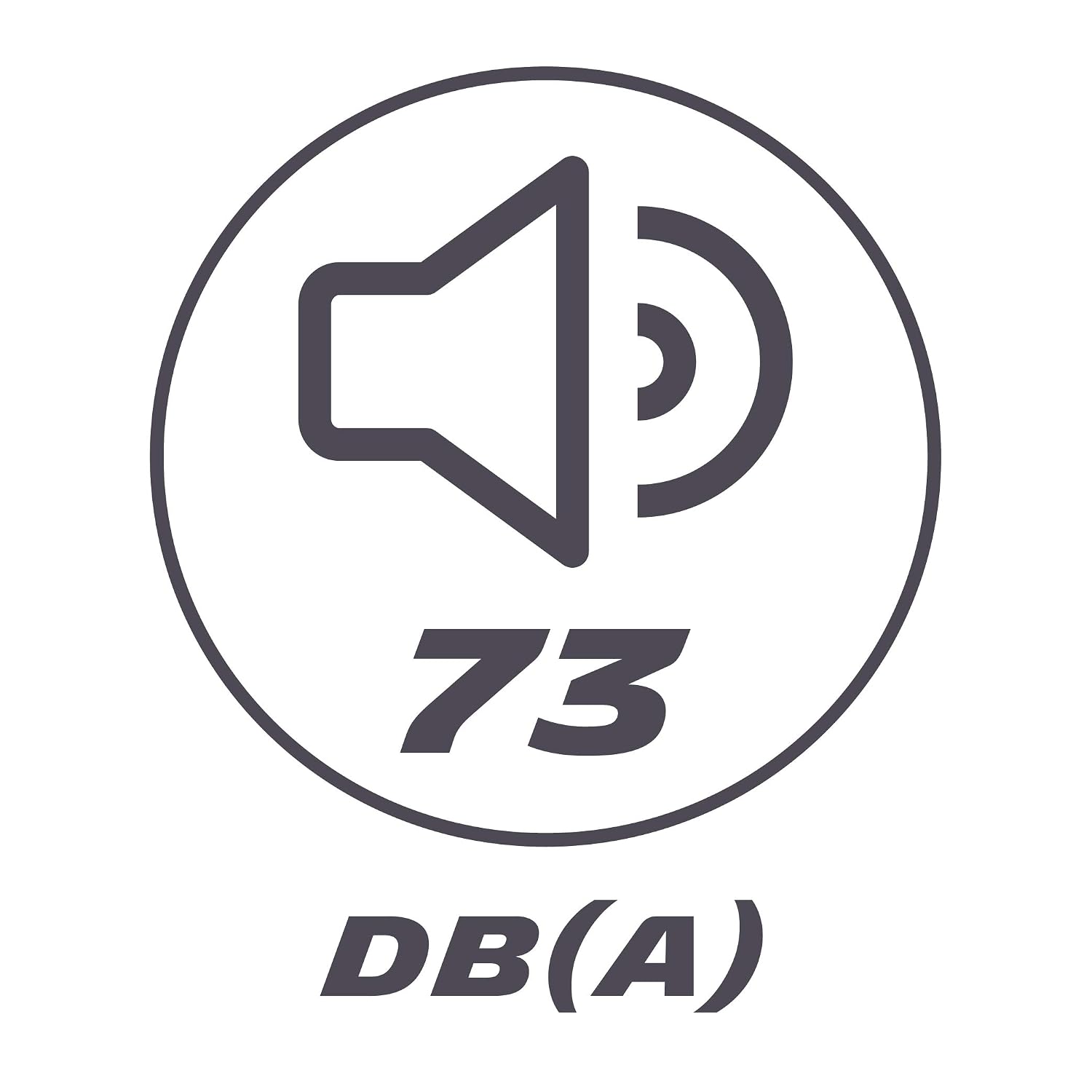
Images 8.1-8.5: Visual representations of key specifications including tank capacity, maximum pressure, motor power, airflow, and noise level.
9. Warranty and Support
For warranty information, please refer to the documentation included with your purchase or contact the retailer. MICHELIN products are designed for durability and performance.
If you encounter issues not covered in the troubleshooting section, or require spare parts, please contact MICHELIN customer support or your authorized service center. Keep your purchase receipt and model number (VCX100/3-100) readily available when seeking support.
Ask a question about this manual
Ask about setup, troubleshooting, compatibility, parts, safety, or missing instructions. Manuals+ will review the question and use this page’s manual context to help answer it.