
Standard Motor Products SC380
Standard Motor Products SC380 ABS Wheel Speed Sensor User Manual
Model: SC380 | Brand: Standard Motor Products
1. Product Overview
The Standard Motor Products SC380 is an Automatic Transmission Output Sensor designed to accurately measure wheel speed. This critical component plays a vital role in the vehicle's Anti-lock Braking System (ABS) and traction control systems, providing essential data to the vehicle's Electronic Control Unit (ECU) for safe and efficient operation. It is manufactured with high-quality materials to ensure durability and reliable performance.
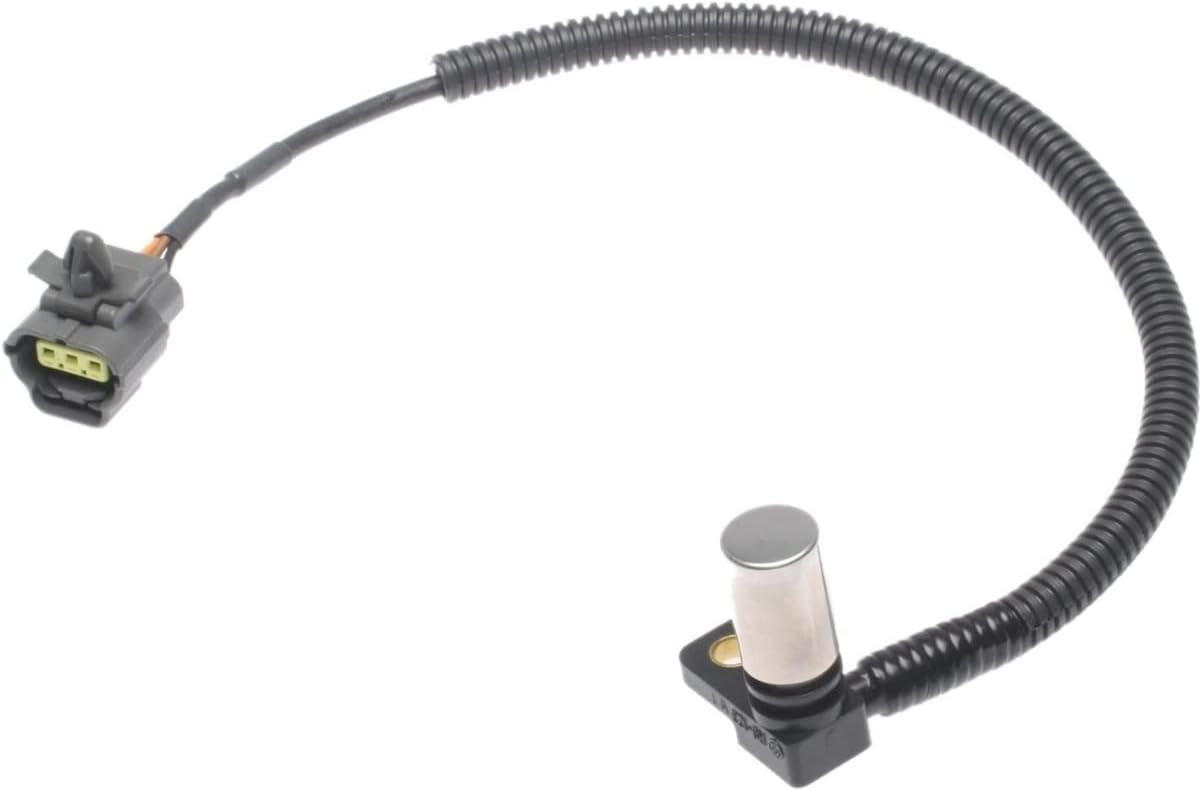
Figure 1.1: Standard Motor Products SC380 ABS Wheel Speed Sensor. This image displays the sensor body, the electrical connector, and the protective corrugated tubing that houses the wiring, all against a white background.
2. Specifications
| Attribute | Value |
|---|---|
| Brand | Standard Motor Products |
| Model Number | SC380 |
| Product Type | Electronic Sensor (Automatic Transmission Output Sensor) |
| Material | Acrylonitrile Butadiene Styrene |
| Item Dimensions (L x W x H) | 2.22 x 2.22 x 4.63 inches |
| Item Weight | 16 ounces (1 pound) |
| Mounting Type | Flange Mount |
| Specific Uses | Wheel Speed Sensing |
| UPC | 025623517933 |
3. Setup and Installation
Installation of the ABS Wheel Speed Sensor typically involves working with vehicle electrical and mechanical systems. It is recommended that installation be performed by a qualified automotive technician. Always refer to your vehicle's specific service manual for detailed instructions and safety precautions.
General Installation Steps:
- Safety First: Ensure the vehicle is safely lifted and supported on jack stands. Disconnect the negative terminal of the battery to prevent accidental electrical shorts.
- Locate the Old Sensor: Identify the location of the existing ABS wheel speed sensor. This is typically near the wheel hub or transmission output shaft.
- Disconnect Electrical Connector: Carefully disconnect the electrical connector from the old sensor. Avoid pulling on the wires.
- Remove Mounting Bolts: Remove any bolts or clips securing the old sensor in place.
- Remove Old Sensor: Gently pull the old sensor out of its mounting location. Some sensors may be seized and require careful prying.
- Clean Mounting Area: Clean any debris, rust, or corrosion from the sensor mounting surface to ensure proper seating of the new sensor.
- Install New Sensor: Insert the new Standard Motor Products SC380 sensor into the mounting hole. Ensure it seats fully and correctly.
- Secure Mounting Bolts: Reinstall and tighten the mounting bolts or clips. Refer to your vehicle's service manual for specific torque specifications.
- Connect Electrical Connector: Reconnect the electrical connector to the new sensor, ensuring a secure and positive connection.
- Route Wiring: Ensure the sensor wiring is routed correctly and secured away from moving parts or hot surfaces.
- Reconnect Battery: Reconnect the negative battery terminal.
- Test System: Start the vehicle and check for any ABS warning lights. A diagnostic scan tool may be required to clear fault codes and verify proper sensor operation.
4. Operating Principles
The Standard Motor Products SC380 ABS Wheel Speed Sensor operates by detecting the rotational speed of the wheel or transmission output shaft. It typically uses a magnetic pickup or Hall effect principle to generate a signal that is proportional to the speed. This signal is then sent to the vehicle's ABS control module or ECU.
The ABS control module uses this speed data from all wheels to determine if a wheel is locking up during braking or if there is a loss of traction. Based on this information, the ABS system can modulate brake pressure to prevent wheel lock-up, maintaining steering control and reducing stopping distances. For automatic transmission output, the sensor provides data crucial for transmission shift points and overall vehicle speed calculation.
5. Maintenance
ABS wheel speed sensors are generally maintenance-free components. However, periodic inspection can help ensure their longevity and proper function.
- Visual Inspection: During routine vehicle maintenance (e.g., tire rotations, brake inspections), visually inspect the sensor and its wiring for any signs of damage, such as frayed wires, cracked insulation, or corrosion on the connector.
- Cleanliness: Ensure the sensor head is free from excessive dirt, debris, or metallic particles that could interfere with its signal. Use a soft cloth and appropriate cleaner if necessary, avoiding harsh chemicals.
- Secure Mounting: Verify that the sensor is securely mounted and not loose, which could affect its readings.
- Avoid Impact: Protect the sensor from physical impact during other vehicle repairs or maintenance.
6. Troubleshooting
If you experience issues related to your ABS system or vehicle speed readings, the ABS wheel speed sensor might be a contributing factor. Common symptoms of a faulty sensor include:
- ABS warning light illuminated on the dashboard.
- Traction control light illuminated.
- Erratic speedometer readings.
- ABS system engaging unexpectedly or not engaging when needed.
- Transmission shifting issues (for output speed sensors).
Troubleshooting Steps:
- Check for Diagnostic Trouble Codes (DTCs): Use an OBD-II scanner to retrieve any stored ABS or powertrain codes. These codes can pinpoint which sensor or circuit is experiencing an issue.
- Inspect Wiring and Connector: Visually inspect the sensor's wiring harness and electrical connector for any signs of damage, corrosion, or loose connections. Repair as necessary.
- Sensor Resistance Check: If accessible and applicable to the sensor type, measure the sensor's internal resistance with a multimeter. Compare the reading to manufacturer specifications (refer to vehicle service manual).
- Sensor Output Signal Check: A professional diagnostic tool can monitor the live data stream from the ABS sensors while the wheels are rotating. This can help identify if a sensor is providing an inconsistent or no signal.
- Clean Sensor and Tone Ring: Sometimes, debris on the sensor tip or the tone ring (reluctor wheel) can interfere with the signal. Clean both components carefully.
- Professional Diagnosis: If basic troubleshooting does not resolve the issue, it is highly recommended to seek diagnosis and repair from a certified automotive technician.
7. Warranty Information
For detailed warranty information regarding your Standard Motor Products SC380 ABS Wheel Speed Sensor, please refer to the official warranty documentation provided with your purchase or visit the Standard Motor Products official website. Warranty terms and conditions may vary based on region and retailer.
8. Customer Support
Should you require further assistance, technical support, or have questions about the Standard Motor Products SC380, please contact Standard Motor Products customer service directly. You can find contact information on their official website or through your authorized retailer.
Standard Motor Products Official Website: www.smpcorp.com
Ask a question about this manual
Ask about setup, troubleshooting, compatibility, parts, safety, or missing instructions. Manuals+ will review the question and use this page’s manual context to help answer it.