1. Introduction and Overview
This manual provides essential instructions for the safe and effective use of the Hilti TE-C3X Masonry Drill Bit, size 12 x 170 mm. Please read this manual thoroughly before operation to ensure proper handling, maximize performance, and extend the lifespan of your drill bit.
The Hilti TE-C3X Masonry Drill Bit is engineered for high performance in concrete and masonry applications. Featuring gradient technology, this drill bit offers superior heat resistance and ruggedness, even when encountering rebar. Its four tungsten carbide cutting edges provide excellent shock absorption, contributing to a longer service life. The innovative helix fluting design ensures faster drilling and efficient removal of dust and debris.
This drill bit is specifically designed for use with compatible rotary hammer drills and is recommended for use with EBA334 and EBA335 Hilti HSL-3 Expansion Anchors.
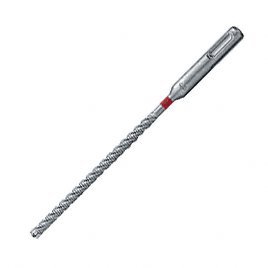
Image 1: Hilti TE-C3X Masonry Drill Bit (12 x 170 mm). This image displays the full length of the drill bit, highlighting its spiral fluting and the robust carbide tip designed for masonry and concrete drilling.
2. Safety Information
Always adhere to general power tool safety guidelines and the specific instructions provided with your rotary hammer drill. Failure to follow these safety precautions can result in serious injury.
- Eye Protection: Always wear approved safety glasses or goggles to protect against flying debris.
- Hearing Protection: Use ear protection, such as earmuffs or earplugs, especially during prolonged use.
- Hand Protection: Wear appropriate work gloves to protect hands from rough surfaces and vibrations.
- Respiratory Protection: When drilling into concrete or masonry, dust can be generated. Use a dust mask or respirator, especially in poorly ventilated areas.
- Secure Workpiece: Ensure the material being drilled is securely clamped or held to prevent movement during operation.
- Tool Compatibility: Use this drill bit only with rotary hammer drills that are compatible with its shank type.
- Inspect Bit: Before each use, inspect the drill bit for any signs of damage, cracks, or excessive wear. Do not use damaged bits.
- Disconnect Power: Always disconnect the power tool from the power source before changing drill bits or performing any maintenance.
- Avoid Loose Clothing: Do not wear loose clothing, jewelry, or long hair that could become entangled in moving parts.
- Maintain Control: Always maintain a firm grip on the power tool and be prepared for torque reactions.
3. Setup
- Select Correct Bit: Verify that the Hilti TE-C3X 12 x 170 mm drill bit is the appropriate size and type for your specific drilling application and anchor requirements.
- Prepare Rotary Hammer Drill: Ensure your rotary hammer drill is clean, in good working order, and disconnected from the power supply.
- Insert Drill Bit: Insert the straight shank of the drill bit into the chuck of your rotary hammer drill. Push the bit in firmly until it clicks into place. For SDS-Plus type chucks, pull back the collar, insert the bit, and release the collar. The bit should have a small amount of play (in-and-out movement) once properly seated; this is normal for SDS-Plus systems.
- Verify Secure Fit: Gently pull on the drill bit to ensure it is securely locked in the chuck and will not dislodge during operation.
4. Operating Instructions
Follow these steps for effective and safe drilling:
- Mark Drilling Location: Clearly mark the precise location for drilling on the concrete or masonry surface.
- Position Drill: Hold the rotary hammer drill firmly with both hands. Position the tip of the drill bit directly over the marked spot.
- Start Drilling: Engage the drill's hammer function (if applicable) and start the drill at a moderate speed. Apply steady, firm pressure. Avoid excessive force, as the drill bit is designed to cut efficiently with its own weight and the hammer action.
- Maintain Straight Angle: Keep the drill bit perpendicular to the drilling surface throughout the entire drilling process to ensure a straight hole.
- Clear Debris: The innovative helix fluting of the TE-C3X is designed for efficient dust removal. However, for very deep holes, occasionally withdraw the bit slightly to help clear debris and prevent clogging.
- Drilling Through Rebar: The TE-C3X is designed to withstand drilling into rebar. When encountering rebar, maintain steady pressure and allow the bit to slowly cut through. Do not force the bit.
- Complete Hole: Continue drilling until the desired depth is reached. Use a depth stop on your drill if precise depth is required.
- Withdraw Bit: Once the hole is complete, slowly withdraw the drill bit from the hole while the drill is still running to help clear any remaining debris.
5. Maintenance
Proper maintenance ensures optimal performance and extends the life of your Hilti TE-C3X drill bit.
- Cleaning: After each use, clean the drill bit to remove all dust and debris. A stiff brush or compressed air can be used.
- Inspection: Regularly inspect the carbide tip and fluting for signs of wear, chipping, or damage. A worn or damaged bit will reduce drilling efficiency and can be dangerous. Replace bits that show significant wear.
- Lubrication (Shank): For SDS-Plus shanks, a small amount of grease applied to the shank end can reduce wear on the chuck and improve bit insertion/removal.
- Storage: Store drill bits in a dry place to prevent rust. Keep them in a protective case or organizer to prevent damage to the carbide tips.
6. Troubleshooting
If you encounter issues during operation, consider the following common troubleshooting tips:
- Bit Not Drilling Effectively:
- Worn Bit: The carbide tip may be dull or damaged. Replace the drill bit.
- Insufficient Pressure: Ensure you are applying steady, firm pressure.
- Wrong Drill Mode: Verify your rotary hammer drill is set to the hammer drilling mode for masonry.
- Overheating: If the bit is getting excessively hot, it may be dull or you might be applying too much pressure without adequate cooling.
- Bit Getting Stuck in Hole:
- Rebar Encountered: The TE-C3X is designed for rebar, but it still requires patience. Reduce pressure and allow the bit to slowly cut.
- Clogged Fluting: Dust and debris may be accumulating. Withdraw the bit periodically to clear the fluting.
- Excessive Pressure: Too much force can wedge the bit. Reduce pressure.
- Excessive Vibration or Wobble:
- Improperly Seated Bit: Ensure the drill bit is fully and correctly inserted into the chuck.
- Damaged Bit: A bent or damaged bit can cause wobble. Replace the bit.
- Chuck Issue: Inspect the drill chuck for damage or wear.
7. Specifications
| Brand | Hilti |
| Model Name | TE-C3X |
| Part Number | EBAD1 |
| Size | 12 x 170 mm |
| Material | Carbide |
| Shank Type | Straight (compatible with rotary hammer drills, typically SDS-Plus) |
| Tool Flute Type | Spiral |
| Surface Recommendation | Concrete, Masonry |
| Item Weight | Approximately 1 pound (0.45 kg) |
| Product Dimensions (Packaging) | Approximately 6 x 6 x 6 inches (15.24 x 15.24 x 15.24 cm) |
8. Warranty and Support
Specific warranty terms for the Hilti TE-C3X Masonry Drill Bit are typically provided by the manufacturer, Hilti, or the authorized reseller at the time of purchase. Please retain your proof of purchase for any warranty claims.
For detailed warranty information, technical support, or service inquiries, please refer to the official Hilti website or contact your local Hilti representative or authorized dealer. Contact information can usually be found on the product packaging or the manufacturer's official website.


