
Introduction to Your Farberware Culinary Guide
Welcome to the Farberware Gallery of Broiler & Rotisserie Masterpieces. This guide is designed to help you unlock the full potential of your Farberware broiler and rotisserie appliances. Inside, you will find essential information, detailed charts, and delicious recipes to ensure perfect results every time you cook. From understanding broiling times to mastering rotisserie techniques, this manual provides the knowledge needed to prepare a wide array of dishes with confidence and ease.
Broiling Techniques and Chart
Broiling is a method of dry heat cooking typically used for more tender cuts of meat. For optimal results, always ensure meat is at room temperature before broiling; if cold, additional cooking time will be required unless otherwise specified. Always place meats on the rack after the broiler unit has been turned on and preheated. Conversely, always remove meats from the rack before turning off the unit. For certain items like chicken, franks, and bacon, a higher rack position can be used for slower cooking, enhancing flavor.
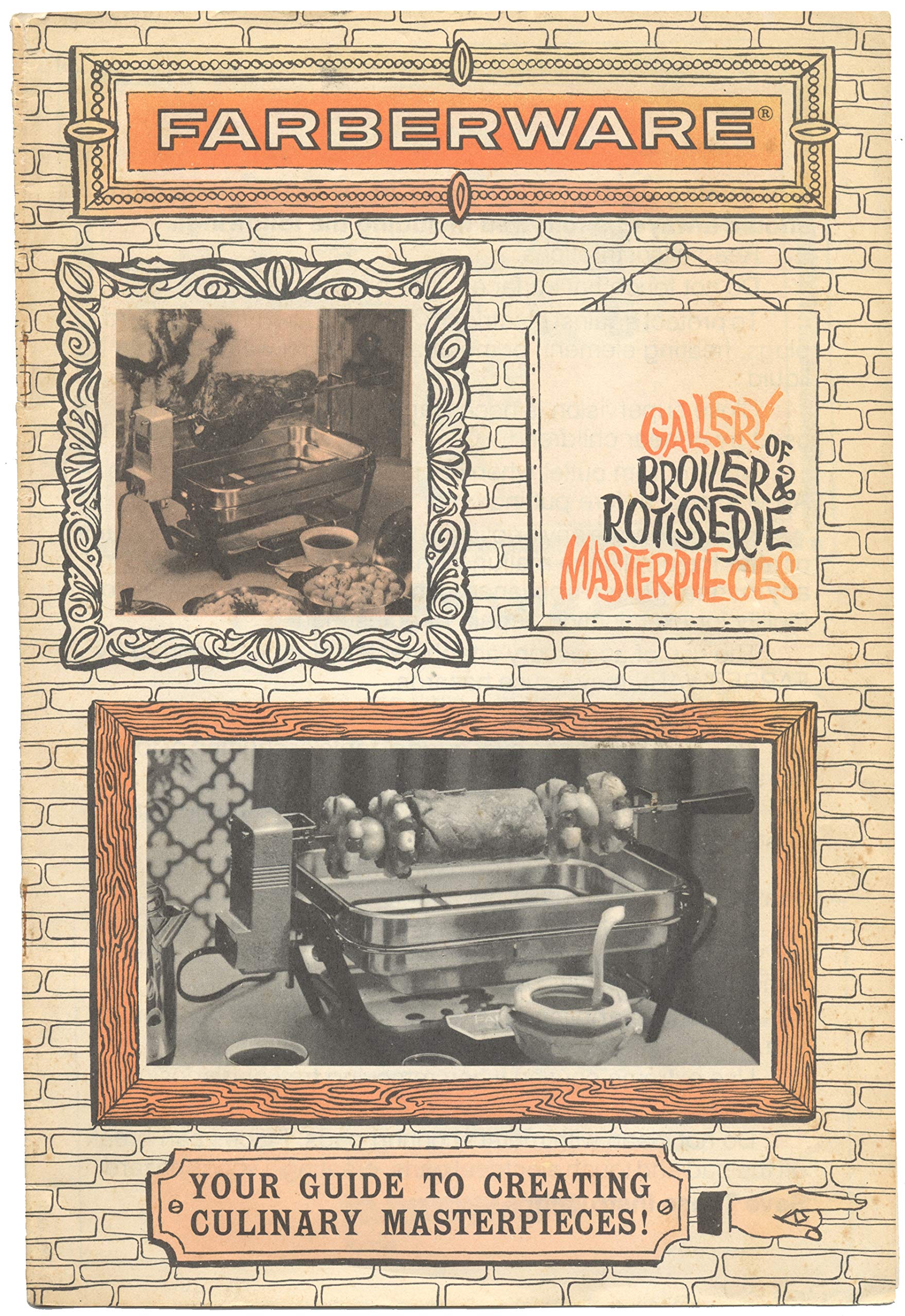
Image: Detailed Broiling Chart providing cooking times for different types and cuts of meat, including beef, liver, ham, fresh pork, lamb, veal, poultry, and fish. It specifies weight/size, doneness levels (rare, medium, well), and additional comments for each item.
Broiling Chart
The following chart provides recommended broiling times. Remember to place the rack in a low position, ensure the coil is preheated, and use meat at room temperature unless otherwise indicated for best results.
| Variety of Meat | Cut | Wt./Size | Rare | Med. | Well | Comments |
|---|---|---|---|---|---|---|
| BEEF | Sirloin Steak | 1 in. | 8 min. | 10-12 min. | 15 min. or more | |
| Porterhouse Club, T-Bone | 1½ in. | 10 min. | 14 min. | 20 min. or more | all tender beef cuts | |
| 2 in. | 18 min. | 25 min. | 30 min. or more | |||
| **Round Steak | 1 in. | 18 min. | 23 min. | |||
| **Flank | 1-1½ in. | 7 min. | ||||
| Hamburgers | 4 oz. | 8 min. | turning occasionally | |||
| Franks | 10-15 min. (total) | brush with melted butter | ||||
| LIVER | 1 in. | 4 min. | ||||
| HAM | Ready-to-eat Ham Slice | ¾-1 in. | 7-9 min. | |||
| Canadian Bacon Slice | ¼ in. | 3 min. | ||||
| Bacon Slice | ⅛ in. | 2-3 min. | ||||
| FRESH PORK | Chops or Steaks | 1 in. | 18-23 min. | taken from refrigerator ½ hr. before cooking | ||
| 1½ in. | 20-25 min. | |||||
| 2 in. | 25 min. | 30 min. | ||||
| Spare Ribs (High Rack) | 1 in. | baste with sauce turn frequently | ||||
| Fresh Sausage (High Rack) | 1 in. | 20 min. | ||||
| Broil N-Serve Sausage | 3 min. | |||||
| LAMB | Chops or Steaks | 1 in. | 8-10 min. | 12-14 min. | 16 min. or more | |
| 1½ in. | 10-12 min. | 14 min. | 18 min. or more | |||
| 2 in. | 14 min. | 18 min. | 23 min. or more | |||
| VEAL | Steaks or Chops | 1 in. | 12 min. or more | |||
| 1½ in. | ||||||
| POULTRY | Split | 1½-2½ lbs. | 30 min. | high rack position | ||
| Broiler-Fryer | ||||||
| Chicken Breasts | 1-1¼ lbs. | 23 min. | brush with melted butter | |||
| Drumsticks | 4-5 lbs. | 20-30 min. | ||||
| FISH | Steaks | 1-1½ in. | 10-15 min. | do not overcook as it tends to dry – done when flakes easily with fork | ||
| Fillets | ½ in. | 5-9 min. | ||||
| **Pre-tenderized meat cuts. | Whole | 1½-3 lbs. | 20-30 min. | BRUSH FISH AND RACK WITH BUTTER | ||
| Lobster Tails | 8 oz. | 7-9 min. | ||||
| Thawed & Cooked Scallops | large | 5-8 min. (total) | high rack position brush with melted butter | |||
| Shrimps | large | 6-8 min. (per side) |
Rotisserie Cooking: Spit-Roasted Spring Lamb
Rotisserie cooking offers a unique way to achieve evenly cooked, succulent meats with a beautiful exterior. This section details a classic recipe for Spit-Roasted Spring Lamb, providing step-by-step instructions for preparing and cooking your roast using a Farberware rotisserie.

Image: A Farberware rotisserie oven with a spit-roasted spring lamb cooking. Two bowls of side dishes, possibly herbed white beans and glazed carrots, are visible in the foreground, suggesting a complete meal setup.
Recipe: Spit-Roasted Spring Lamb
Position: Spit
Time: 2¾ to 3 hours
Thermometer: 180°F
Served with Herbed White Beans and Glazed Carrots
Ingredients:
- Leg of Spring Lamb (5 to 6 pounds)
- ½ cup melted butter
- ¼ cup dry white wine
- Salt and pepper to taste
- Tarragon leaves (optional)
Instructions:
- Request your butcher to leave the bone in the leg, as it significantly enhances the flavor of the roast.
- Rub the entire roast generously with salt and freshly ground pepper.
- Slide one holding fork onto the rotisserie spit. Carefully insert the spit through the lamb, ensuring it is well-balanced. Secure the lamb with the second prong and holding fork at both ends.
- Place the prepared lamb onto the rotisserie rack. Adjust the rotisserie support to position the meat as close as possible to the heating element.
- Mount the motor onto the rotisserie unit, ensuring the spit fits securely into the motor. Connect the appliance to power and turn the motor to the 'on' position.
- In a small bowl, combine the melted butter and dry white wine. If desired, add tarragon leaves for additional flavor.
- During cooking, baste the lamb occasionally with the butter and wine mixture, especially after the first hour.
- Monitor the internal temperature with a meat thermometer. For a pinkish interior, common in French cuisine, cook for approximately 2 hours and 30 minutes. For medium to well-done, cook for 3 hours. The target internal temperature is 180°F.
- Once the meat is cooked to your desired doneness, raise the rotisserie supports to the farthest position from the heating element. Allow the roast to stand for at least 10 minutes before carving. This resting period makes carving easier and ensures juices redistribute throughout the meat.
General Cooking Tips
- Preheating: Always preheat your broiler or rotisserie unit as recommended in your appliance's specific manual to ensure even cooking.
- Meat Temperature: For most broiling and rotisserie applications, bringing meat to room temperature before cooking can lead to more even results and reduced cooking times.
- Rack Position: Adjust the rack position according to the type of meat and desired cooking intensity. Closer to the heating element for faster, more intense cooking (searing), further away for slower cooking or to prevent burning.
- Doneness: Use a reliable meat thermometer to check internal temperatures for accurate doneness, especially for poultry and pork.
- Resting Meat: After cooking, allow roasted or broiled meats to rest for 5-15 minutes before carving. This allows juices to redistribute, resulting in a more tender and flavorful product.
Care and Cleaning of Your Appliance
While this guide focuses on recipes, proper care and cleaning of your Farberware broiler or rotisserie appliance are crucial for its longevity and safe operation. Always refer to your specific appliance's instruction manual for detailed cleaning instructions. Generally, ensure the unit is unplugged and completely cooled before cleaning. Removable parts are often dishwasher-safe or can be washed with warm, soapy water. Wipe down interior and exterior surfaces with a damp cloth, avoiding abrasive cleaners.
Important Safety Information
- Always operate your Farberware appliance on a stable, heat-resistant surface.
- Keep children and pets away from the appliance during operation and while it is cooling.
- Use oven mitts or heat-resistant gloves when handling hot parts or food.
- Never immerse the main unit of the appliance in water or other liquids.
- Ensure adequate ventilation when operating the appliance.
- Do not use the appliance for purposes other than its intended use.
Support and Further Information
For specific questions regarding your Farberware broiler or rotisserie appliance, including warranty information, troubleshooting, or replacement parts, please refer to the instruction manual that came with your appliance or visit the official Farberware website. This recipe guide is a supplementary resource to enhance your cooking experience.


