
Introduction
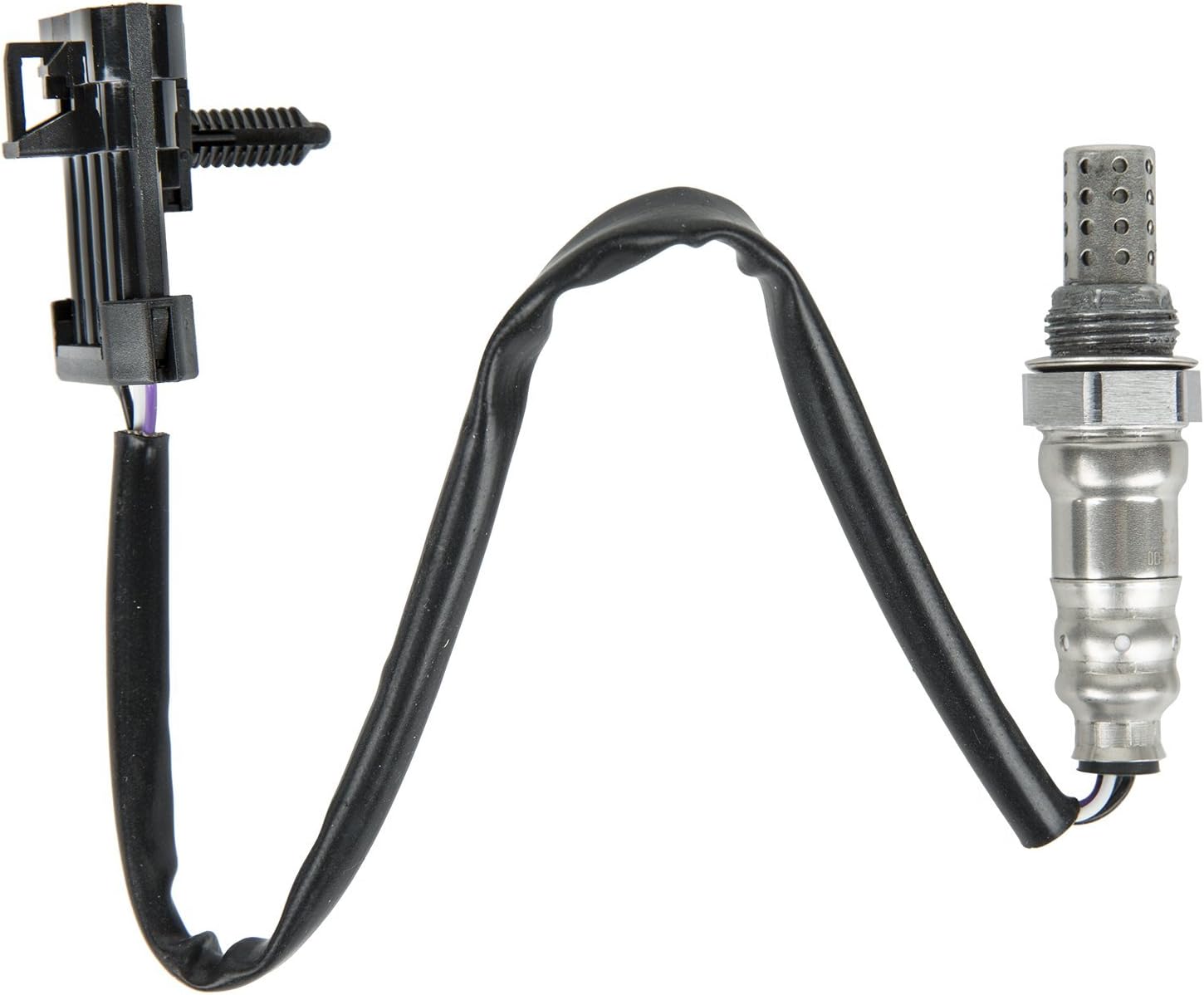
The Delphi ES20022 Oxygen Sensor is a critical component in your vehicle's engine management system. It provides essential data to the Engine Control Module (ECM), enabling the engine to operate efficiently, optimize fuel mileage, and reduce harmful emissions. This sensor monitors oxygen levels in the exhaust gases, allowing for precise adjustments to the air-fuel mixture. Delphi's advanced planar technology ensures rapid activation and reliable performance, contributing to a cleaner environment and improved vehicle operation.
Official Product Overview
Video 1: An overview of Delphi Oxygen Sensors, highlighting their features and benefits, including rapid light-off time and contamination resistance.
Key Features
- Planar Technology: Delphi planar technology covers older, conical design sensors, offering a smart design that consolidates SKUs without using long wires.
- OE Standards: Manufactured to Delphi's Original Equipment (OE) standards, ensuring high quality and reliability.
- Patented Protection: Features a patented protective sensor coating to help prevent debris and contamination.
- Fuel Compatibility: Validated for use with all fuel types, including ethanol blends like E85.
- Durability: OE tested to 150,000 miles, plus 2,000 hours of severe thermal testing for long-lasting performance.
Setup and Installation
Proper installation of the Delphi ES20022 Oxygen Sensor is crucial for optimal performance. Always refer to your vehicle's specific service manual for detailed instructions and safety precautions. Ensure the engine is cool before beginning installation.
Installation Steps:
- Locate the Sensor: Identify the oxygen sensor(s) to be replaced. Oxygen sensors are typically located in the exhaust system, either before (upstream) or after (downstream) the catalytic converter.
- Disconnect Wiring: Carefully disconnect the electrical connector from the old oxygen sensor. Avoid pulling directly on the wires.
- Remove Old Sensor: Use an oxygen sensor wrench to loosen and remove the old sensor from the exhaust pipe. Be prepared for some resistance, as sensors can seize in place over time.
- Prepare New Sensor: The Delphi ES20022 sensor comes with a dry-to-touch anti-seize compound pre-applied to the threads. Do not add additional anti-seize unless specified by the vehicle manufacturer. Avoid touching the sensor tip.
- Install New Sensor: Thread the new Delphi ES20022 sensor into the exhaust pipe by hand to prevent cross-threading. Once hand-tight, use the oxygen sensor wrench to tighten it to the manufacturer's specified torque.
- Connect Wiring: Reconnect the electrical connector, ensuring it clicks securely into place. Delphi sensors feature direct-fit OE connectors and wire lengths, eliminating the need for splicing.
- Clear Codes: After installation, it may be necessary to clear any stored diagnostic trouble codes (DTCs) using an OBD-II scanner.


Operating Principles
The Delphi ES20022 Oxygen Sensor utilizes advanced planar technology to accurately measure the oxygen content in the exhaust gases. This information is then sent to the vehicle's ECM, which adjusts the fuel injection and ignition timing to maintain an optimal air-fuel ratio. A key advantage of Delphi's planar sensors is their rapid light-off time, meaning they reach their operating temperature and begin providing accurate readings much faster than older conical designs. This quick activation minimizes the period during which the engine runs inefficiently, significantly reducing cold-start emissions and improving overall fuel economy.
The integrated heater within the planar sensing element ensures that the sensor quickly reaches and maintains its optimal operating temperature, even in cold conditions. This rapid response allows the closed-loop fuel control system to engage sooner, leading to more precise fuel management and lower emissions from the moment the engine starts.

Maintenance
Oxygen sensors are wear-and-tear components that degrade over time due to exposure to extreme temperatures and exhaust contaminants. While the Delphi ES20022 is designed with patented poison protection coating for enhanced resistance, regular inspection and timely replacement are essential for maintaining optimal engine performance and emissions control.
Maintenance Recommendations:
- Regular Inspection: Have your oxygen sensors inspected during routine vehicle maintenance, typically every 30,000 to 50,000 miles, or as recommended by your vehicle manufacturer.
- Check Engine Light: If your 'Check Engine' light illuminates, an oxygen sensor fault is a common cause. Prompt diagnosis and replacement are recommended.
- Fuel Quality: Using high-quality fuel and avoiding fuel additives not approved by your vehicle manufacturer can help prolong sensor life.
- Timely Replacement: Replace oxygen sensors according to your vehicle manufacturer's schedule or when diagnostic tests indicate a fault. Even if not completely failed, a 'lazy' sensor can negatively impact fuel economy and emissions.
Troubleshooting
If you experience issues that may be related to your oxygen sensor, consider the following common symptoms and potential solutions. Always consult a qualified technician for accurate diagnosis and repair.
Common Symptoms of a Faulty Oxygen Sensor:
- Illuminated Check Engine Light: This is the most common indicator. An OBD-II scanner can retrieve specific diagnostic trouble codes (DTCs) related to the oxygen sensor.
- Decreased Fuel Economy: A malfunctioning sensor can cause the engine to run too rich, consuming more fuel than necessary.
- Rough Idling or Engine Misfires: Incorrect air-fuel mixture can lead to unstable engine operation.
- Increased Emissions: Failure to properly regulate the air-fuel ratio can result in higher levels of pollutants in the exhaust.
- Failed Emissions Test: A faulty oxygen sensor is a common reason for failing an emissions inspection.
Troubleshooting Steps:
- Scan for Codes: Use an OBD-II scanner to read any active or pending DTCs. Codes like P0130-P0167 typically indicate oxygen sensor issues.
- Inspect Wiring and Connector: Check for any visible damage, corrosion, or loose connections in the sensor's wiring harness and connector.
- Professional Diagnosis: If symptoms persist or you are unsure about the diagnosis, seek assistance from a certified automotive technician. They can perform advanced tests to confirm sensor functionality.
Specifications
| Specification | Detail |
|---|---|
| Brand | Delphi |
| Model Number | ES20022 |
| Item Weight | 4.4 ounces |
| Product Dimensions (L x W x H) | 1.9 x 2.1 x 5.8 inches |
| Material | Metal, Plastic |
| Mounting Type | Flange Mount |
| Output Type | Push-Pull |
| UPC | 689604148075 |
| OEM Part Numbers | 5S3167, SU1294, AFS138, 250-24012, 19178961, 25315809, 234-4012, 11645, REA1037, 21006, 24626, SG454, DY-738, 138-444, 13026, OS1008 |
Warranty and Support
Delphi products purchased through, from, or on Amazon do not qualify for Delphi’s standard LIMITED warranty. When purchased through, from, or on Amazon, any warranty on this product is offered by and is the sole responsibility of the seller identified on the shipment details of your order. Please review all warranties carefully and contact the identified seller for all warranty details and claims.
For technical support or further assistance with your Delphi ES20022 Oxygen Sensor, please refer to the contact information provided by your specific retailer or the seller from whom the product was purchased. You may also visit the official Delphi website for general product information and resources.
Online Resources:
- Delphi Store on Amazon: Visit the Delphi Store