
1. Product Overview
The Performance Metals Premium Aluminum Sacrificial Anode is designed to protect submerged metal components of your vessel from galvanic corrosion. This anode, made from a specialized Aluminum/Indium alloy, acts as a sacrificial element, corroding preferentially to safeguard more noble metals like stainless steel, which are commonly found on boats.

Figure 1: Main view of the Performance Accessories Aluminum Anode. This image shows the overall rectangular shape and the central mounting hole.
2. Function and Principle of Operation
All metals immersed in an electrolyte, such as seawater, generate an electrical current. When two different metals are in contact within this electrolyte, they form a galvanic cell, similar to a battery. The less noble metal, in this case, the Aluminum/Indium alloy anode, becomes the anode and corrodes, sacrificing itself to protect the more noble metal (the cathode), such as stainless steel or bronze components of your boat. This process is known as cathodic protection.
Performance Metals anodes utilize an Aluminum/Indium alloy, which is more electrochemically active than traditional zinc anodes. This enhanced activity provides superior protection. Aluminum anodes are particularly recommended for Mercury stern drives and are effective in both salt and freshwater environments. They offer approximately 40 percent longer lifespan compared to zinc anodes and possess a unique self-cleaning property in freshwater, preventing the formation of a protective coating that can limit the effectiveness of zinc anodes over time.
3. Installation and Setup
Proper installation of the sacrificial anode is crucial for effective corrosion protection. The anode is designed to be mounted directly onto the metal component it is intended to protect, ensuring good electrical contact. The Performance Metals aluminum anodes include the necessary hardware for mounting.
- Preparation: Ensure the mounting surface on your boat's component is clean and free of paint, grease, or corrosion to establish a good electrical connection.
- Positioning: Place the anode against the designated mounting point. Refer to your boat or engine manual for specific anode locations.
- Mounting: Use the provided hardware (bolts, nuts, washers) to securely fasten the anode. Ensure the connection is tight but do not overtighten, which could damage the anode or the mounting surface.
- Verification: After installation, visually inspect the anode to confirm it is firmly attached and makes full contact with the protected metal.

Figure 2: Top view of the Aluminum Anode, highlighting the central and two smaller mounting holes for secure attachment.
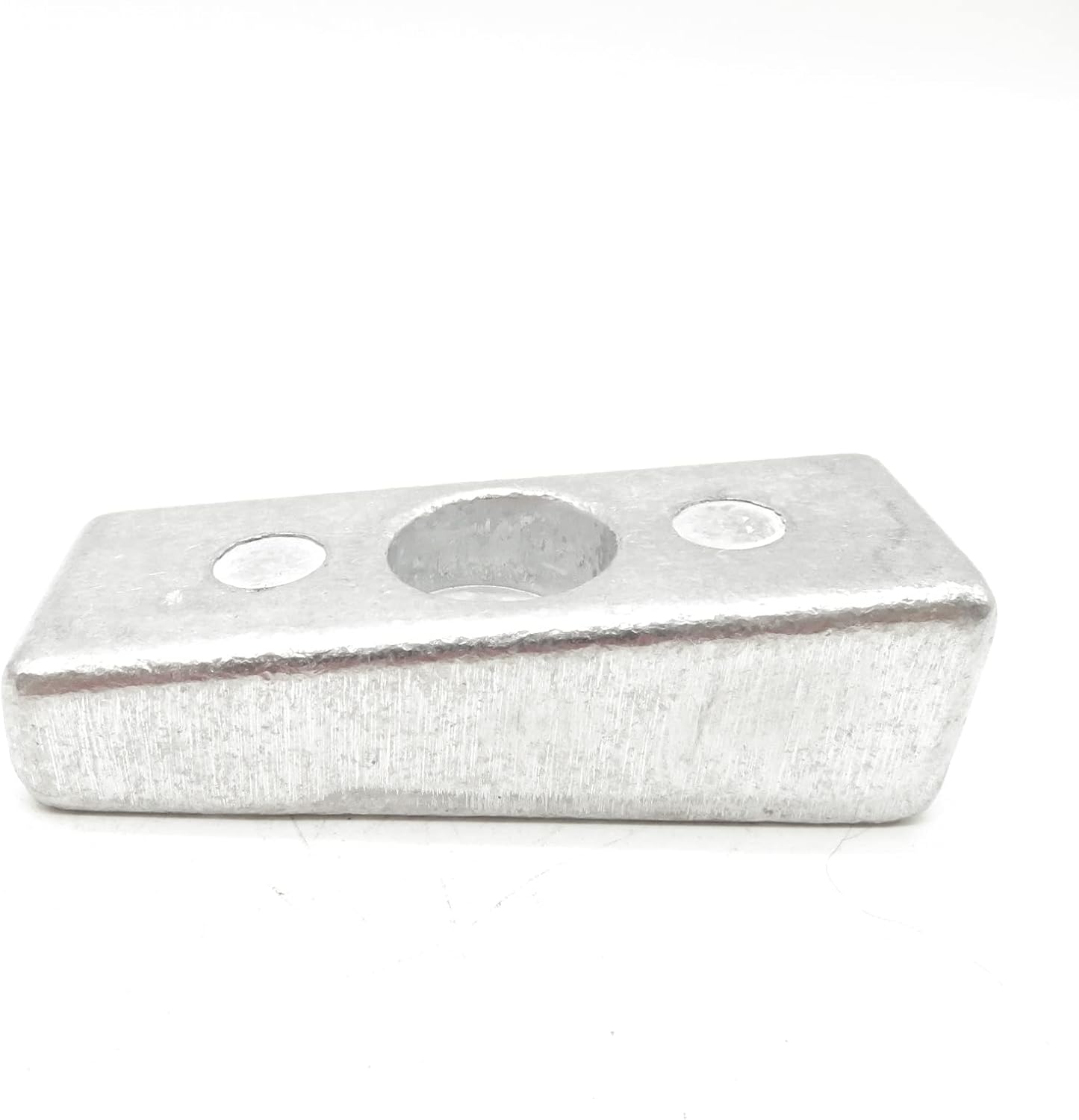
Figure 3: Side profile of the Aluminum Anode, showing its tapered design.
4. Maintenance
Regular inspection of your sacrificial anodes is essential to ensure continued protection against corrosion. The anode will gradually corrode over time as it performs its function. The rate of corrosion depends on various factors, including water salinity, temperature, and electrical activity in the water.
- Inspection Frequency: Inspect anodes at least once per boating season, or more frequently if operating in highly corrosive environments (e.g., warm saltwater).
- Replacement: Replace the anode when it has corroded to approximately two-thirds of its original size. Do not wait until the anode is completely consumed, as this leaves your protected components vulnerable.
- Cleaning: While aluminum anodes self-clean in freshwater, a light brushing can remove any loose deposits during inspection. Do not paint or coat the anode, as this will render it ineffective.

Figure 4: Angled view of the Aluminum Anode, showing its overall form and texture.
5. Specifications
| Attribute | Value |
|---|---|
| Brand Name | Performance Accessories |
| Manufacturer | Performance Metals |
| Part Number | 00051A |
| Material | Aluminum (Aluminum/Indium alloy) |
| Item Weight | 0.02 Kilograms (approx. 0.044 lbs) |
| Item Dimensions (LxWxH) | 1.25 x 3.25 x 5.75 inches |
| Package Weight | 0.22 Pounds |
| Package Dimensions (LxWxH) | 0.79 x 0.63 x 0.24 inches |
6. Troubleshooting
If you observe unusual corrosion on your boat's metal components despite having an anode installed, consider the following:
- Anode Condition: Check if the anode is significantly consumed and requires replacement.
- Electrical Connection: Ensure the anode has a clean, solid electrical connection to the metal it is protecting. Poor contact will prevent it from functioning correctly.
- Anode Type: Verify that you are using the correct type of anode (aluminum, zinc, or magnesium) for your specific water environment (saltwater, brackish, or freshwater). Aluminum anodes are suitable for both salt and freshwater.
- Stray Current: Investigate potential sources of stray electrical currents in the water or from your boat's electrical system, which can accelerate corrosion beyond the anode's capacity.
- Multiple Metals: Ensure all dissimilar metals in contact with the water are adequately protected.
7. Warranty and Support
For warranty information, technical support, or further inquiries regarding your Performance Metals Aluminum Anode, please contact Performance Accessories directly. Refer to the product packaging or the manufacturer's official website for the most current contact details.
Note: This manual provides general guidelines. Always consult your boat's specific owner's manual and a qualified marine technician for detailed installation and maintenance procedures.