
1. Product Overview
The Connecticut Electric UBIZ280 is a new, high-quality replacement circuit breaker designed for use in Zinsco load centers that accept Zinsco QC style circuit breakers. This two-pole, 80 Amp circuit breaker operates at 120/240 VAC and features a plug-in type connection. It is ETL Listed to UL Standard 489 for both US and Canada, ensuring compliance with safety standards for molded case circuit breakers.
Key features include:
- Replacement for Zinsco QC type circuit breakers.
- 80 Amp current rating.
- Two-pole configuration.
- 120/240 VAC voltage rating.
- 10,000 AIC (Amperes Interrupting Capacity).
- UL Standard 489 compliant and ETL Listed.
- Plug-in installation type.
- May also be branded as Sylvania (e.g., Sylvania QC80).

Image 1.1: Front view of the Connecticut Electric UBIZ280 circuit breaker, showing its dimensions (4.81" height, 2.53" depth, 1.5" width) and key specifications like 80 Amp, 2 Pole, 120/240 Volt, UL 489 Compliant, and ETL Listed. It is compatible with Zinsco load centers.
2. Safety Information
WARNING: Electrical work can be hazardous. Installation and maintenance of circuit breakers should only be performed by a qualified electrician in accordance with all applicable electrical codes and standards. Failure to follow these instructions can result in serious injury, death, or property damage.
- Always disconnect power at the main service panel before inspecting, installing, or servicing circuit breakers.
- Use appropriate personal protective equipment (PPE) such as insulated gloves and safety glasses.
- Ensure the replacement circuit breaker matches the specifications of the original breaker and the load center.
- Only use new, tested, and Safety Agency Listed circuit breakers. Never use used or refurbished breakers.
- Consult local electrical codes and authorities before beginning any electrical project to ensure compliance.
Proposition 65 Warning: This product may expose you to chemicals known to the State of California to cause cancer and birth defects or other reproductive harm.
3. Installation Instructions
This section provides general guidance for installing the UBIZ280 circuit breaker. For detailed instructions specific to your electrical panel, refer to the panel manufacturer's manual or consult a qualified electrician.
- Preparation:
- Ensure the main power to the electrical panel is turned OFF at the utility meter or main disconnect. Verify with a voltage tester.
- Remove the cover of the electrical panel.
- Identify the slot in the Zinsco load center where the new UBIZ280 breaker will be installed.
- Removing Old Breaker (if applicable):
- If replacing an existing breaker, disconnect the load wires from the old breaker.
- Carefully unclip or remove the old breaker from the bus bar.
- Installing the UBIZ280 Breaker:
- Position the UBIZ280 breaker onto the bus bar connections in the Zinsco load center.
- Apply firm, even pressure to snap the breaker securely into place. Ensure it is fully seated and makes proper contact with the bus bar.
- Connect the load wires to the appropriate terminals on the UBIZ280 breaker. For a two-pole breaker, ensure both hot wires are connected to their respective terminals.
- Tighten the terminal screws to the torque specifications provided by the panel manufacturer or as indicated on the breaker itself (if present). Do not overtighten.
- Final Steps:
- Double-check all connections for tightness and proper wiring.
- Replace the electrical panel cover.
- Restore main power to the electrical panel.
- Test the circuit by turning the newly installed breaker ON and OFF.


Image 3.1: Front and back views of the UBIZ280 circuit breaker, illustrating the plug-in connection points and terminals for wiring.
4. Operation
The UBIZ280 circuit breaker functions as an automatic protective device for electrical circuits. It is designed to interrupt the flow of electricity when an overcurrent condition (such as an overload or short circuit) occurs, preventing damage to wiring and appliances, and reducing the risk of fire.
- ON Position: When the breaker handle is fully pushed to the "ON" position, electricity flows through the circuit.
- OFF Position: When the breaker handle is fully pushed to the "OFF" position, electricity to the circuit is manually disconnected.
- TRIPPED Position: If an overcurrent condition occurs, the breaker will automatically "trip" to an intermediate position (often between ON and OFF) or fully to the OFF position. This indicates that the circuit has been interrupted for safety.
To reset a tripped circuit breaker:
- First, identify and correct the cause of the trip (e.g., unplug overloaded appliances, fix a short circuit).
- Locate the tripped breaker in your electrical panel.
- Firmly push the breaker handle all the way to the "OFF" position. You may feel a click.
- Then, push the breaker handle all the way to the "ON" position.
- If the breaker immediately trips again, do not attempt to reset it further. This indicates a persistent electrical problem that requires immediate attention from a qualified electrician.
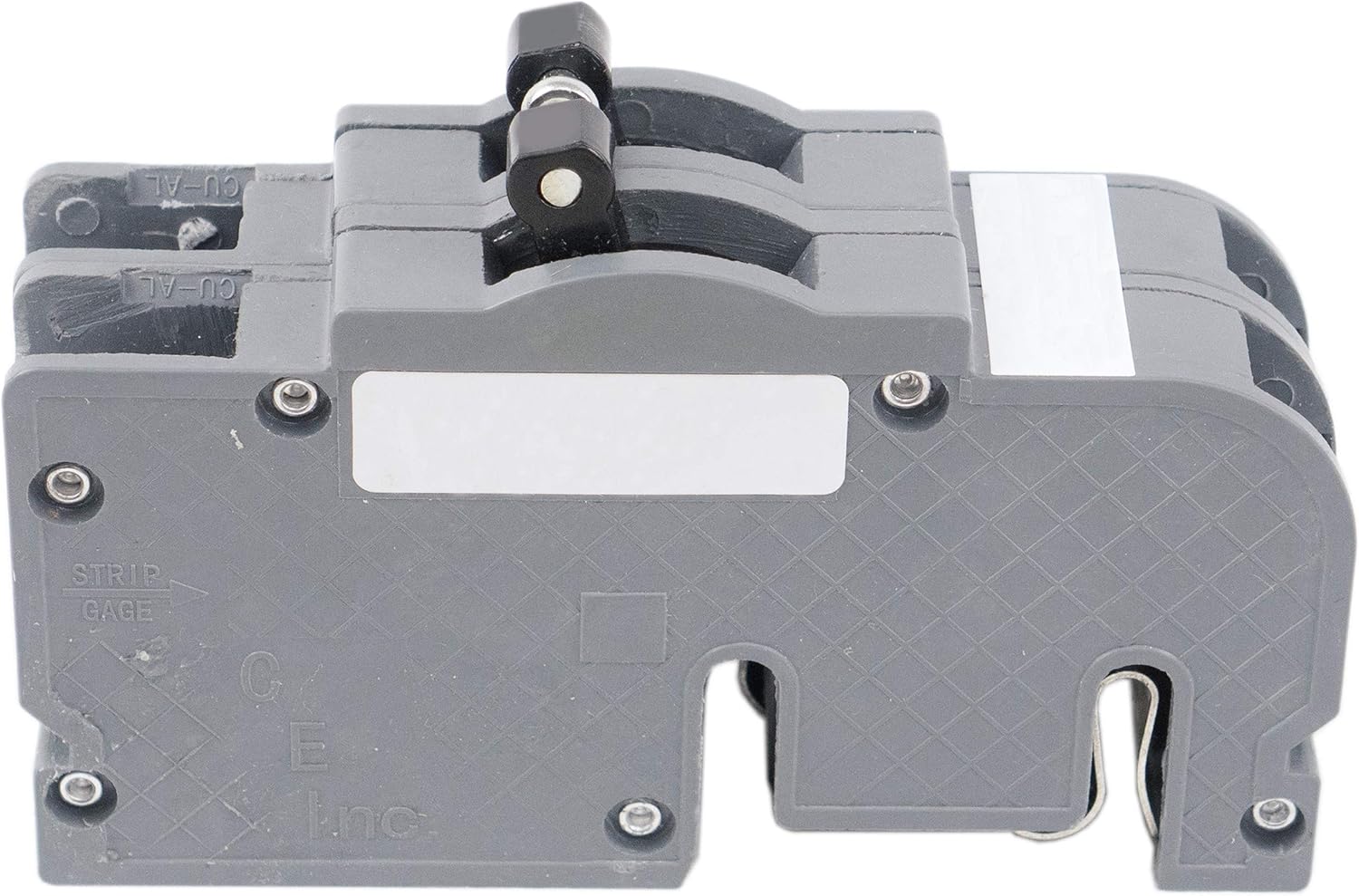
Image 4.1: Side view of the UBIZ280 circuit breaker, highlighting the toggle switch for manual ON/OFF operation and resetting after a trip.
5. Maintenance
Circuit breakers like the UBIZ280 are generally maintenance-free devices. However, periodic inspection of your electrical panel and breakers is recommended to ensure continued safe operation.
- Annual Inspection: Have a qualified electrician inspect your electrical panel annually. They can check for loose connections, signs of overheating, corrosion, or other potential issues.
- Visual Check: Occasionally, with the panel cover securely in place, visually inspect the breakers for any signs of damage, discoloration, or unusual odors.
- Cleaning: Do not attempt to clean the interior of the circuit breaker or the electrical panel yourself. Any cleaning should be performed by a qualified electrician after ensuring the main power is disconnected.
Never attempt to repair a damaged or malfunctioning circuit breaker. Replace it immediately with a new, approved unit.
6. Troubleshooting
This section addresses common issues related to circuit breaker operation. Always prioritize safety and consult a qualified electrician for any persistent or complex electrical problems.
| Problem | Possible Cause | Solution |
|---|---|---|
| Breaker trips frequently. | Overloaded circuit, short circuit, ground fault, or faulty appliance. | Unplug some devices from the circuit. If it still trips, there may be a short or ground fault. Consult an electrician. |
| Breaker will not reset. | Persistent overload or short circuit, or internal breaker fault. | Ensure all devices on the circuit are unplugged. If it still won't reset, contact a qualified electrician. Do not force the breaker. |
| No power to circuit, but breaker is ON. | Loose connection, faulty wiring, or internal breaker failure. | This indicates a serious issue. Immediately contact a qualified electrician for diagnosis and repair. |
| Breaker feels hot to the touch. | Overload, loose connection, or internal fault. | Immediately turn off the main power to the panel and contact a qualified electrician. This is a fire hazard. |
7. Specifications
- Model: UBIZ280
- Brand: Connecticut Electric
- Current Rating: 80 Amps
- Voltage: 120/240 Volts AC
- Number of Poles: 2
- Interrupting Capacity (AIC): 10,000 Amps
- Mounting Type: Clip-In Mount (Plug-in)
- Breaker Type: Standard, Molded Case
- Compatibility: Zinsco load centers (Zinsco QC style)
- Certifications: Intertek ETL Listed to UL Standard 489 for US and Canada
- Item Weight: Approximately 0.6 Pounds
- Part Number: UBIZ-280
- UPC: 094925418132
8. Warranty and Support
Warranty: The Connecticut Electric UBIZ280 circuit breaker comes with a 10-year warranty from the manufacturer.
Support: For technical assistance, warranty claims, or further information, please contact Connecticut Electric directly. Refer to the official Connecticut Electric website for current contact details.
Note: This manual provides general information. Always consult a qualified electrician for installation, service, or any electrical concerns.


