
SKF 19596
SKF Seal 19596 Instruction Manual
Model: 19596 | Brand: SKF
Product Overview
The SKF Seal 19596 is an aftermarket replacement part designed for compatibility with Toyota vehicles manufactured between 1972 and 1995. This component is crucial for maintaining the integrity of mechanical systems by preventing the leakage of lubricants and the ingress of contaminants such as dirt, dust, and moisture.
SKF seals are engineered to perform reliably in various operating conditions, offering superior fluid and temperature compatibility, and excellent contamination exclusion.
Product Features
- Keeps lubricants in and contaminants out.
- Optimized compounds perform reliably in extreme operating conditions.
- Superior fluid and temperature compatibility.
- Excellent contamination exclusion.
Installation Guide
Proper installation is critical for the effective performance and longevity of the SKF Seal 19596. It is recommended that installation be performed by a qualified technician using appropriate tools and following vehicle-specific service manual procedures.
General Installation Steps:
- Preparation: Ensure the mating surfaces are clean, dry, and free from burrs, nicks, or corrosion. Inspect the shaft or bore for any damage that could compromise the seal's integrity.
- Lubrication: Lightly lubricate the seal lip with the fluid it is intended to seal (e.g., oil, grease). This aids in installation and prevents initial dry running.
- Alignment: Carefully align the seal with the bore or shaft. Avoid cocking or forcing the seal, which can damage the sealing lip or the seal body.
- Pressing: Use a seal installation tool or a suitable press to evenly apply pressure to the outer diameter of the seal. Do not strike the seal directly with a hammer, as this can deform it. Ensure the seal is pressed squarely into its housing until it is fully seated.
- Final Inspection: After installation, visually inspect the seal to ensure it is properly seated and that the sealing lip is not inverted or damaged.

Image 1: Front view of the SKF Seal 19596. This image shows the primary sealing surface and the outer metal casing.
Operation and Function
The SKF Seal 19596 operates by creating a barrier between two environments, typically to retain lubricants within a system and exclude external contaminants. The flexible lip of the seal maintains continuous contact with a rotating or reciprocating shaft, forming a dynamic seal.
Its primary function is to prevent fluid leakage from the sealed component (e.g., axle, transmission, engine) and to protect internal components from damage caused by dirt, water, or other abrasive particles entering the system. The material composition and design of the seal are optimized for the specific operating temperatures, pressures, and chemical environments it is exposed to.
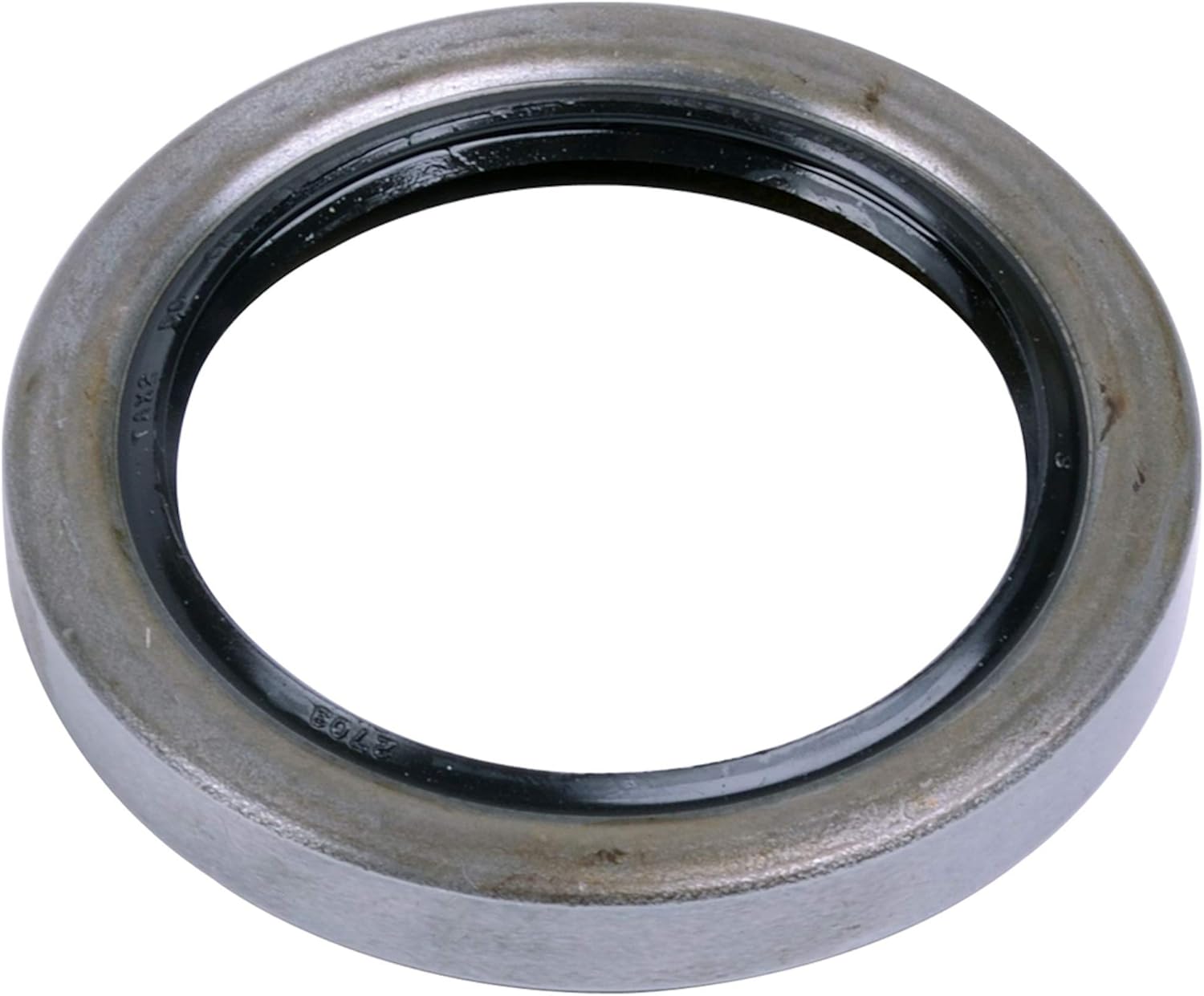
Image 2: Rear view of the SKF Seal 19596. This view highlights the internal structure and secondary sealing elements.
Maintenance
Seals are wear components and do not typically require routine maintenance beyond proper initial installation. However, periodic inspection of the sealed area can help identify potential issues before they lead to significant problems.
- Visual Inspection: Regularly check for signs of fluid leakage around the seal. Any visible drips or wetness indicate a potential seal failure.
- Contaminant Check: Observe if dirt or debris is accumulating around the seal, which could suggest a compromised sealing barrier.
- Replacement: Seals should be replaced whenever the component they are sealing is serviced or if signs of wear or leakage are observed. Do not reuse old seals.
Troubleshooting
Most issues related to seals manifest as leakage or premature failure. Common causes and troubleshooting steps include:
- Leakage Immediately After Installation:
- Cause: Improper installation (e.g., cocked seal, damaged lip during installation, incorrect tool usage).
- Solution: Remove and inspect the seal and mating surfaces. Replace with a new seal, ensuring correct installation procedures are followed.
- Leakage After Period of Use:
- Cause: Normal wear and tear, shaft surface wear, excessive temperature, chemical degradation of seal material, or presence of abrasive contaminants.
- Solution: Replace the seal. Inspect the shaft and housing for wear or damage that might contribute to seal failure. Address any underlying issues like excessive heat or contamination.
- Seal Extrusion or Blow-out:
- Cause: Excessive pressure, incorrect seal size, or improper material for the application.
- Solution: Verify the seal part number is correct for the application. Check system pressures.
Specifications
| Attribute | Detail |
|---|---|
| Brand | SKF |
| Model | 19596 |
| Manufacturer | SKF USA, Inc. |
| Item Weight | 1.76 ounces |
| Product Dimensions | 3.13 x 3.13 x 0.63 inches |
| Exterior | Machined |
| Manufacturer Part Number | 19596 |
| ASIN | B000EPT8WM |
| First Available Date | January 1, 2006 |
What's in the Box
The product package for the SKF Seal 19596 contains the following item:
- 1 x SKF Seal 19596
Warranty and Support
For specific warranty information and technical support regarding the SKF Seal 19596, please refer to the official SKF website or contact SKF customer service directly. Warranty terms typically cover manufacturing defects and material flaws under normal use conditions.
You can visit the official SKF store for more information: SKF Official Store
Ask a question about this manual
Ask about setup, troubleshooting, compatibility, parts, safety, or missing instructions. Manuals+ will review the question and use this page’s manual context to help answer it.