
1. Introduction
This manual provides essential information for the proper installation, operation, and maintenance of your WIX Filters 33405 Heavy Duty Spin-On Fuel Water Separator. Please read these instructions thoroughly before using the product to ensure optimal performance and safety.
2. Product Overview
The WIX Filters 33405 is a heavy-duty spin-on fuel water separator designed to protect your engine by effectively removing water and particulate contaminants from fuel. Its robust construction ensures reliable performance in demanding applications.
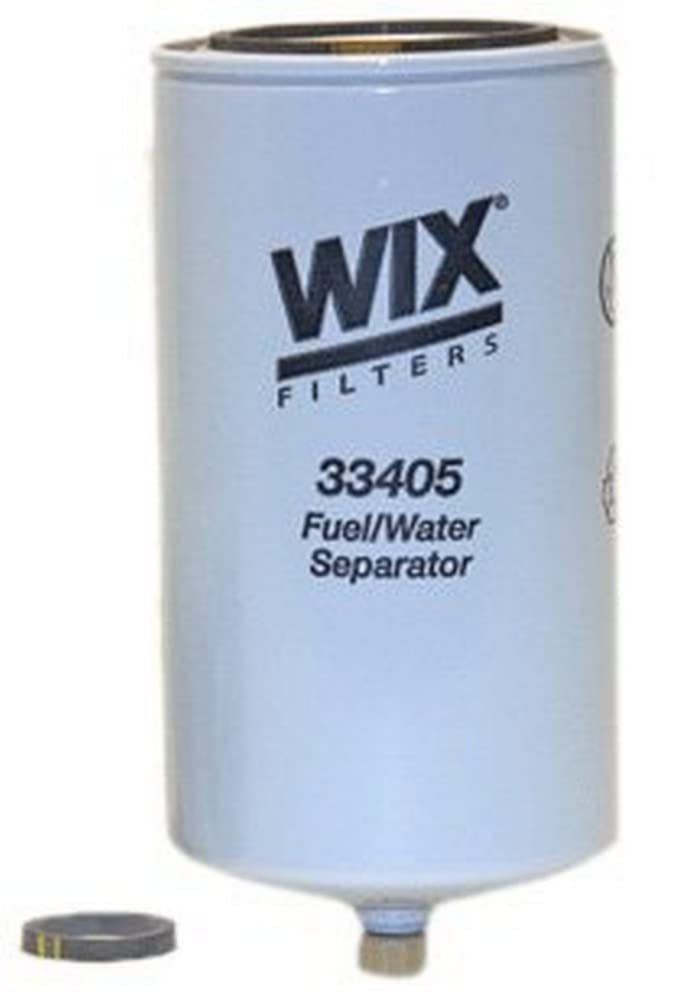
Image: WIX Filters 33405 Heavy Duty Spin-On Fuel Water Separator. This image shows the cylindrical filter unit, typically black or dark-colored, with the WIX brand logo prominently displayed.
Key Features:
- Pleated Paper Filter: Provides efficient filtration of contaminants.
- Highly Durable and Reliable: Constructed for long-lasting performance in heavy-duty applications.
- Mesh Support Screening: Enhances structural integrity and filtration efficiency.
- Features a Drain Plug: Allows for easy removal of accumulated water.
- Easy Installation and Maintenance: Designed for straightforward servicing.
3. Safety Information
Always prioritize safety when working with fuel systems. Failure to follow these safety guidelines may result in injury or damage.
- Ensure the engine is off and cooled down before beginning any work.
- Wear appropriate personal protective equipment (PPE), including gloves and eye protection.
- Work in a well-ventilated area to avoid inhaling fuel fumes.
- Keep open flames, sparks, and other ignition sources away from fuel.
- Properly dispose of old filters and drained fuel/water mixtures according to local regulations.
- Refer to your vehicle's service manual for specific safety precautions and procedures.
4. Installation (Setup)
Follow these general steps for installing the WIX Filters 33405 fuel water separator. Always consult your vehicle's specific service manual for detailed instructions and torque specifications.
- Preparation: Park the vehicle on a level surface, engage the parking brake, and turn off the engine. Allow the engine to cool.
- Locate Old Filter: Identify the existing fuel water separator or fuel filter. Place a drain pan underneath to catch any spilled fuel.
- Remove Old Filter: Carefully unscrew the old filter. Be prepared for fuel spillage. Ensure any O-rings or gaskets from the old filter are removed from the mounting base.
- Prepare New Filter: Apply a thin film of clean diesel fuel or engine oil to the new filter's gasket. This helps ensure a proper seal.
- Install New Filter: Screw the new WIX 33405 filter onto the mounting base by hand until the gasket makes contact. Then, tighten an additional 3/4 to 1 full turn, or as specified by your vehicle manufacturer. Do not overtighten.
- Prime the System: Follow your vehicle manufacturer's procedure for priming the fuel system to remove air. This may involve cycling the ignition key or using a hand primer pump.
- Check for Leaks: Start the engine and inspect the filter area for any fuel leaks. If leaks are present, turn off the engine immediately and re-check the installation.
5. Operation
Once installed, the WIX Filters 33405 operates continuously to separate water and particulate matter from the fuel supply before it reaches the engine's sensitive components. Fuel flows through the filter media, where contaminants are trapped and water is coalesced and settled at the bottom of the filter bowl (if applicable, or within the filter element itself).
6. Maintenance
Regular maintenance of your fuel water separator is crucial for engine longevity and performance.
Drain Water:
The WIX 33405 features a drain plug for removing accumulated water. The frequency of draining depends on fuel quality and operating conditions. It is recommended to check for water accumulation regularly, especially in humid environments or with questionable fuel sources.
- Place a suitable container under the drain plug.
- Slowly open the drain plug until water begins to flow out.
- Close the drain plug once clean fuel starts to emerge.
- Properly dispose of the drained water and fuel mixture.
Filter Replacement:
The fuel water separator element should be replaced according to your vehicle manufacturer's recommendations or sooner if signs of fuel restriction or contamination are observed. Refer to Section 4 for replacement procedures.
7. Troubleshooting
If you experience issues related to your fuel system, consider the following common troubleshooting steps:
- Reduced Engine Performance: A clogged filter can restrict fuel flow. Check the filter for signs of heavy contamination and replace if necessary.
- Engine Stalling or Misfiring: Water in the fuel system can cause these issues. Drain the water from the separator. If the problem persists, the filter may need replacement.
- Fuel Leaks: Inspect the filter's seal and mounting area. Ensure the filter is tightened correctly and the gasket is properly seated.
- Difficulty Starting: Air in the fuel system after a filter change can cause starting issues. Ensure the fuel system has been properly primed.
If problems persist after performing these checks, consult a qualified mechanic or your vehicle's service manual.
8. Specifications
| Brand | Wix |
| Model Number | 33405 |
| Manufacturer Part Number | 33405 |
| GTIN (UPC) | 765809334052 |
| Item Diameter | 93 Millimeters |
| Outer Material | Metal |
| Item Weight | 0.57 Kilograms |
| Vehicle Service Type | Truck, Bus, Excavator, Tractor, Van |
| Included Components | Water Separator |
9. Warranty and Support
Limited Warranty:
WIX Filters products are covered by a Limited Warranty. For specific details regarding warranty coverage, terms, and conditions, please refer to the official WIX Filters website or contact their customer service directly. Keep your purchase receipt as proof of purchase.
Customer Support:
For technical assistance, product inquiries, or warranty claims, please contact WIX Filters customer support. Contact information can typically be found on the official WIX Filters website or on the product packaging.
Please note: This manual provides general guidance. Always refer to your vehicle's specific service manual for detailed instructions and safety information.


