
Standard Motor Products PC421
Instruction Manual
Standard Motor Products PC421 Camshaft Sensor
1. Product Overview
The Standard Motor Products PC421 Camshaft Sensor is a critical component in your vehicle's engine management system. This sensor monitors the rotational speed and position of the camshaft, providing essential data to the engine control unit (ECU). The ECU uses this information to precisely control fuel injection and ignition timing, ensuring optimal engine performance, fuel efficiency, and emissions control.
This sensor is designed to meet or exceed OEM specifications, providing reliable and accurate performance for compatible vehicle applications.
2. Safety Information
WARNING: Always observe proper safety precautions when working on a vehicle. Failure to do so may result in serious injury or damage to the vehicle.
- Always disconnect the vehicle's battery before beginning any electrical work to prevent accidental short circuits or electrical shock.
- Wear appropriate personal protective equipment, including safety glasses and gloves.
- Ensure the vehicle is securely supported on jack stands if working underneath it.
- Allow the engine to cool down completely before working on engine components.
- Consult your vehicle's specific service manual for detailed instructions and torque specifications relevant to your make and model.
- Keep all tools and parts organized to prevent misplacement.
3. What's in the Box
Your package should contain the following item:
- 1 x Standard Motor Products PC421 Camshaft Position Sensor
4. Installation Guide
Installation of the camshaft position sensor typically involves replacing an existing faulty unit. The exact location and procedure may vary significantly between vehicle makes and models. Always refer to your vehicle's specific service manual for precise instructions.
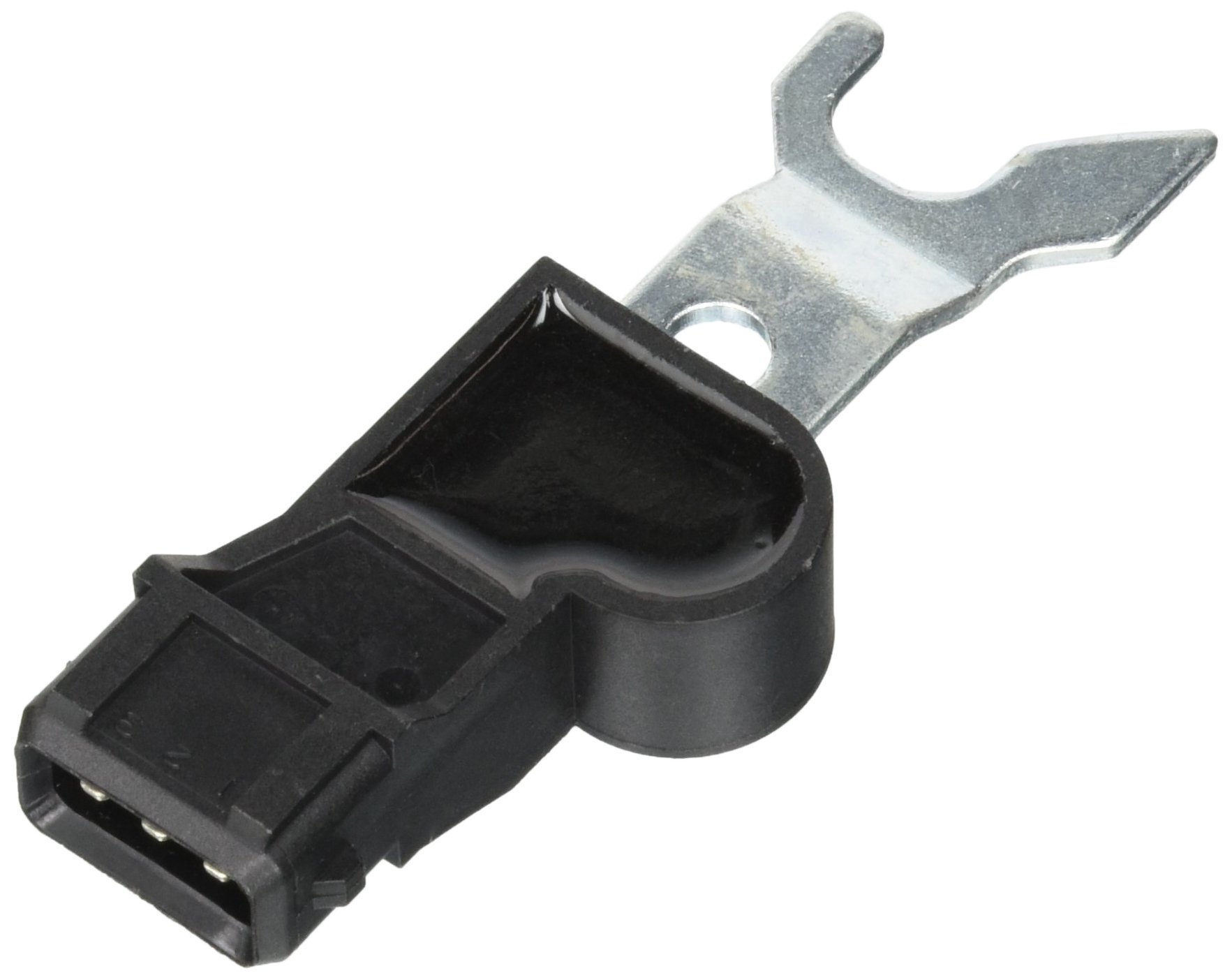
Image: The Standard Motor Products PC421 Camshaft Sensor. It features a black plastic housing with an electrical connector on one end and a metal mounting bracket on the other. The sensor is designed to be installed in the engine block or cylinder head to monitor camshaft rotation.
General Installation Steps (Consult Vehicle Manual for Specifics):
- Preparation: Park the vehicle on a level surface, engage the parking brake, and ensure the engine is cool. Disconnect the negative terminal of the battery.
- Locate the Sensor: Identify the location of the camshaft position sensor on your vehicle. This can vary widely (e.g., near the cylinder head, timing cover, or engine block).
- Disconnect Electrical Connector: Carefully disconnect the electrical connector from the old sensor. Be gentle to avoid damaging the wiring or connector clips.
- Remove Old Sensor: Use the appropriate wrench or socket to unbolt and remove the old camshaft position sensor. Note any O-rings or seals that come off with the sensor.
- Inspect and Clean: Inspect the mounting surface for any debris or corrosion. Clean the area thoroughly if necessary.
- Install New Sensor: Apply a small amount of clean engine oil to the new sensor's O-ring (if applicable) to aid in installation and ensure a proper seal. Insert the new PC421 sensor into its mounting location.
- Secure Sensor: Hand-tighten the retaining bolt(s) first, then tighten to the vehicle manufacturer's specified torque. Do not overtighten.
- Reconnect Electrical Connector: Firmly connect the electrical connector to the new sensor until it clicks into place.
- Reconnect Battery: Reconnect the negative terminal of the battery.
- Test: Start the engine and check for proper operation. The Check Engine Light (CEL) should turn off if the sensor was the cause of the issue. A diagnostic scan tool may be needed to clear any stored trouble codes.
5. Operating Principles
The Standard Motor Products PC421 Camshaft Sensor operates using either a Hall effect or magnetic reluctance principle. It detects the position of the camshaft by sensing a reluctor wheel or tone ring attached to the camshaft. As the camshaft rotates, the teeth or notches on the reluctor wheel pass by the sensor, creating a series of electrical pulses.
These pulses are sent to the vehicle's Engine Control Unit (ECU). The ECU interprets these signals to determine the exact position of the camshaft relative to the crankshaft. This information is crucial for:
- Fuel Injection Timing: Ensuring fuel is injected into the cylinders at the precise moment for optimal combustion.
- Ignition Timing: Firing the spark plugs at the correct time for efficient power delivery.
- Variable Valve Timing (VVT) Systems: If equipped, the sensor provides feedback for adjusting valve timing.
- Cylinder Identification: Helping the ECU identify which cylinder is at its compression stroke.
A properly functioning camshaft sensor is vital for smooth engine operation, accurate timing, and overall engine efficiency.
6. Maintenance
The Standard Motor Products PC421 Camshaft Sensor is a sealed electronic component and does not require routine user maintenance or lubrication. Its lifespan is generally determined by operating conditions and vehicle mileage.
To ensure the longevity and proper function of your sensor, it is recommended to:
- Adhere to your vehicle's recommended maintenance schedule.
- Ensure all electrical connections in the engine bay are clean and secure.
- Address any engine oil leaks promptly, as oil contamination can sometimes affect sensor performance or wiring.
If the sensor is suspected of malfunctioning, it should be diagnosed and replaced by a qualified technician.
7. Troubleshooting
A faulty camshaft position sensor can lead to various engine performance issues. If you experience any of the following symptoms, the camshaft sensor may be a contributing factor:
- Check Engine Light (CEL) Illumination: This is often the first indicator, accompanied by specific diagnostic trouble codes (DTCs) related to the camshaft position sensor (e.g., P0340, P0341).
- Engine Cranks But Won't Start: The ECU may not know when to fire the spark plugs or inject fuel without camshaft position data.
- Rough Idling or Stalling: Incorrect timing information can cause the engine to run erratically.
- Reduced Engine Performance: Including poor acceleration, reduced fuel economy, or a general lack of power.
- Engine Misfires: Due to incorrect ignition or fuel timing.
Diagnostic Steps:
- Scan for Codes: Use an OBD-II scanner to retrieve any stored diagnostic trouble codes. This will help confirm if the issue is related to the camshaft sensor.
- Inspect Wiring and Connector: Visually check the sensor's electrical connector and wiring harness for any signs of damage, corrosion, or loose connections.
- Check Sensor Resistance (if applicable): Some sensors can be tested for resistance with a multimeter, though this varies by sensor type. Consult your vehicle's service manual for specific testing procedures.
- Professional Diagnosis: If symptoms persist or you are unsure about the diagnosis, it is highly recommended to have the vehicle inspected by a certified automotive technician. They have specialized tools and knowledge to accurately diagnose complex engine issues.
Note: Replacing a sensor without proper diagnosis may not resolve the underlying issue if the problem lies elsewhere in the engine management system.
8. Specifications
| Brand | Standard Motor Products |
| Model Number | PC421 (SMPPC421) |
| Product Dimensions (L x W x H) | 2.16 x 1.94 x 4.13 inches |
| Item Weight | 1.6 ounces |
| Material | Metal |
| Mounting Type | Flange Mount |
| UPC | 091769582470 |
| Manufacturer Part Number | PC421 |
9. Warranty and Support
Standard Motor Products typically offers a warranty on their automotive parts. The duration and terms of the warranty may vary. It is important to retain your proof of purchase.
For specific warranty details, claims, or technical support, please contact Standard Motor Products directly or the authorized retailer from whom you purchased the product. Ensure you purchase from authorized sellers to ensure warranty eligibility.
You can often find contact information on the manufacturer's official website or on the product packaging.
Ask a question about this manual
Ask about setup, troubleshooting, compatibility, parts, safety, or missing instructions. Manuals+ will review the question and use this page’s manual context to help answer it.