
1. Introduction
This manual provides essential information for the proper installation, operation, and maintenance of the Standard Motor Products PS310 Oil Pressure Switch. Please read this manual thoroughly before attempting any installation or service to ensure safe and effective use of the product.
2. Product Description
The Standard Motor Products PS310 is an oil pressure switch designed for automotive applications. It functions as an ON-OFF switch, typically used to monitor engine oil pressure and activate a warning light or gauge when pressure falls below a safe operating level. This component is crucial for engine health monitoring.
- Operation Mode: ON-OFF
- Contact Type: Normally Open
- Actuator Type: Diaphragm
- Terminal: Screw
- Contact Material: Copper
- Dimensions: Approximately 1.5 x 1.16 x 2.88 inches

Figure 2.1: Side view of the Standard Motor Products PS310 Oil Pressure Switch, showing the threaded end and the electrical connector.

Figure 2.2: Close-up view of the electrical connector end of the PS310 switch, showing the internal pins.
3. What's in the Box
Upon opening the product packaging, you should find the following item:
- 1 x Standard Motor Products PS310 Oil Pressure Switch
Figure 3.1: Front view of the Standard Motor Products packaging for the PS310.
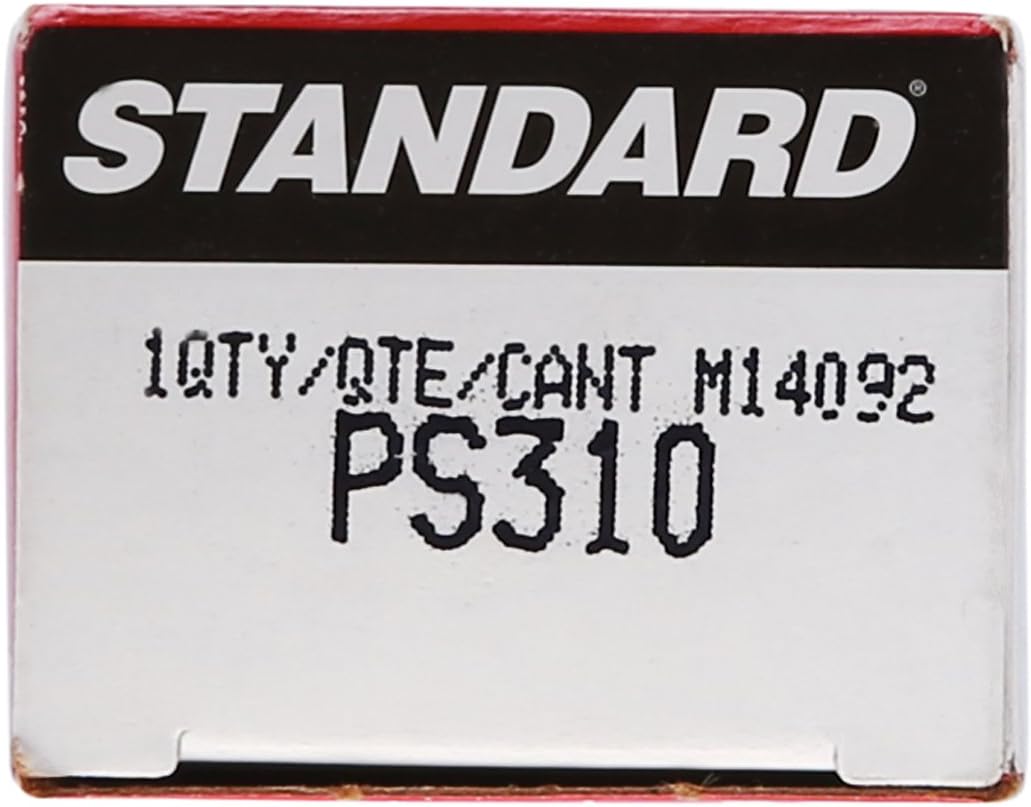
Figure 3.2: Side view of the product packaging, clearly displaying the PS310 model number.
4. Safety Information
Working with automotive components requires caution. Adhere to the following safety guidelines:
- Always disconnect the vehicle's battery before working on electrical systems to prevent accidental shorts or injury.
- Wear appropriate personal protective equipment (PPE), such as safety glasses and gloves.
- Ensure the engine is cool before working on any engine components to avoid burns.
- Be aware that this product may contain chemicals known to the State of California to cause cancer and birth defects or other reproductive harm (Proposition 65 warning). Wash hands after handling.
- If you are unsure about any installation steps, consult a qualified automotive technician.
5. Setup and Installation
The installation of an oil pressure switch typically involves replacing an existing faulty unit. The exact procedure may vary depending on your vehicle's make and model. Always refer to your vehicle's specific service manual for detailed instructions.
General Installation Steps:
- Prepare the Vehicle: Park the vehicle on a level surface, engage the parking brake, and ensure the engine is off and cool. Disconnect the negative terminal of the vehicle's battery.
- Locate the Old Switch: Identify the location of the existing oil pressure switch. This is typically found near the oil filter housing or on the engine block.
- Drain Oil (if necessary): Depending on the switch's location, a small amount of oil may leak when removed. Have a drain pan ready. In some cases, it may be advisable to drain the engine oil first.
- Disconnect Wiring: Carefully disconnect the electrical connector from the old oil pressure switch.
- Remove Old Switch: Use an appropriately sized wrench or socket to unscrew the old oil pressure switch. Turn counter-clockwise to loosen.
- Prepare New Switch: Apply a small amount of thread sealant (compatible with automotive fluids) to the threads of the new PS310 switch. Do not apply sealant to the sensor tip.
- Install New Switch: Carefully thread the new PS310 switch into the engine block or housing by hand to prevent cross-threading. Once hand-tight, use a wrench to tighten it to the manufacturer's specified torque. Do not overtighten.
- Reconnect Wiring: Reconnect the electrical connector to the new oil pressure switch, ensuring a secure connection.
- Reconnect Battery: Reconnect the negative terminal of the vehicle's battery.
- Check for Leaks: Start the engine and check for any oil leaks around the newly installed switch. Allow the engine to run for a few minutes and observe the oil pressure warning light or gauge.
6. Operation
The Standard Motor Products PS310 Oil Pressure Switch operates automatically as part of your vehicle's engine management system. Its primary function is to monitor the engine's oil pressure. When the engine is running and oil pressure is within the normal operating range, the switch's internal diaphragm is actuated, opening the electrical circuit (for a normally open switch) and turning off the oil pressure warning light on your dashboard.
If the engine oil pressure drops below a predetermined safe level (e.g., when the engine is off, or due to a fault), the diaphragm will return to its resting position, closing the electrical circuit and illuminating the oil pressure warning light. This alerts the driver to a potential issue with the engine's lubrication system, which requires immediate attention.
7. Maintenance
The Standard Motor Products PS310 Oil Pressure Switch is a sealed unit and does not require routine user maintenance or lubrication. Its lifespan is generally determined by the operating conditions and the quality of the vehicle's electrical system and engine oil.
Recommendations:
- Regular Inspections: During routine vehicle maintenance, visually inspect the oil pressure switch and its electrical connector for any signs of damage, corrosion, or oil leaks.
- Clean Connections: If accessible, ensure the electrical connector is clean and free of dirt or oil buildup. A clean connection ensures proper signal transmission.
- Address Leaks Promptly: Any oil leaks around the switch should be addressed immediately, as they can indicate improper installation or a faulty switch.
8. Troubleshooting
If you experience issues related to your oil pressure warning system, the PS310 switch may be a contributing factor. Here are common symptoms and potential solutions:
| Symptom | Possible Cause | Action |
|---|---|---|
| Oil pressure warning light always on (engine running) | Low oil pressure, faulty switch, wiring issue, clogged oil passage | Check engine oil level. Verify actual oil pressure with a mechanical gauge. Inspect wiring and connector for damage. Test the switch for continuity. If actual pressure is good, replace switch. |
| Oil pressure warning light never comes on (even with key on, engine off) | Faulty switch, bulb failure, wiring issue | Check the warning light bulb. Inspect wiring and connector. Test the switch for continuity (it should show continuity when engine is off). Replace switch if faulty. |
| Erratic oil pressure readings or flickering light | Loose connection, intermittent switch fault, actual pressure fluctuations | Ensure electrical connector is secure. Check for corrosion. Test the switch. Verify actual oil pressure stability. |
| Oil leak around the switch | Improper installation, damaged threads, faulty switch seal | Ensure proper torque during installation. Check for thread damage. Replace switch if leak persists. |
If troubleshooting steps do not resolve the issue, it is recommended to consult a certified automotive technician for diagnosis and repair.
9. Specifications
| Attribute | Value |
|---|---|
| Model | PS310 |
| Brand | Standard Motor Products |
| Operation Mode | ON-OFF |
| Contact Type | Normally Open |
| Terminal | Screw |
| Item Dimensions (L x W x H) | 1.5 x 1.16 x 2.88 inches |
| Circuit Type | 1-way |
| Mounting Type | Panel Mount |
| Actuator Type | Diaphragm |
| Contact Material | Copper |
| International Protection Rating | IP00 |
| Number of Positions | 1 |
| Color | Black |
| Item Weight | 2.08 ounces |
| Country Of Origin | China |
10. Warranty and Support
Specific warranty information for the Standard Motor Products PS310 Oil Pressure Switch is typically provided by the manufacturer or the point of purchase. Please retain your proof of purchase for any warranty claims.
For technical support, product inquiries, or warranty service, please contact Standard Motor Products directly through their official website or customer service channels. Refer to the packaging or the manufacturer's website for the most current contact information.
Note: Unauthorized modifications or improper installation may void the product warranty.

