
1. Product Overview
The Standard Motor Products V182 PCV (Positive Crankcase Ventilation) Valve is a critical component in your vehicle's emission control system. Its primary function is to regulate the flow of crankcase gases into the engine's intake manifold, preventing the buildup of harmful pressure and emissions. This valve helps maintain engine efficiency and reduces environmental pollution by recirculating unburnt fuel vapors.
Regular inspection and replacement of the PCV valve are essential for optimal engine performance and longevity.
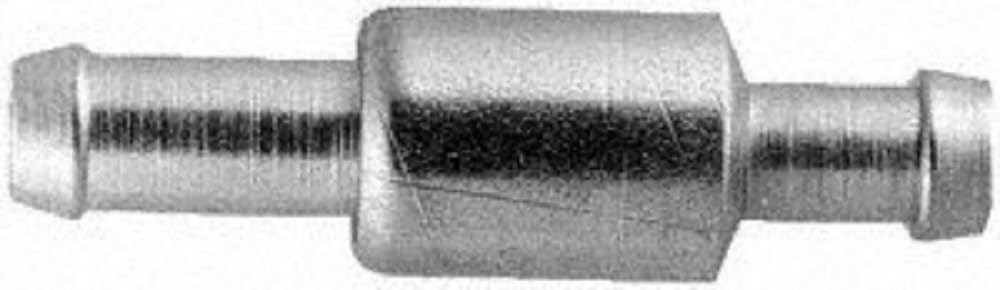
Figure 1: A close-up view of the Standard Motor Products V182 PCV Valve, a cylindrical metal component with barbed ends for hose connections.
2. Specifications
| Feature | Detail |
|---|---|
| Brand | Standard Motor Products |
| Model Number | V182 |
| Item Weight | 0.01 ounces |
| Product Dimensions | 2 x 2 x 3 inches |
| Exterior Finish | Machined |
| Inlet Connection Type | Positive Crankcase Ventilation |
| Outlet Connection Type | Positive Crankcase Ventilation |
| Number of Ports | 1 |
| UPC | 091769038816 |
3. Installation
Important: Always consult your vehicle's specific service manual for detailed instructions and safety precautions before attempting any automotive repairs. Disconnect the vehicle's battery before starting work to prevent electrical hazards.
- Locate the PCV Valve: The PCV valve is typically located on the valve cover or intake manifold. Refer to your vehicle's service manual for the exact location.
- Remove Old Valve: Carefully disconnect the hose attached to the PCV valve. Depending on the design, the valve may be threaded in, pressed in, or held by a grommet. Use appropriate tools to remove the old valve without damaging surrounding components.
- Inspect Components: Examine the PCV hose for cracks, blockages, or deterioration. Replace the hose if necessary. Inspect the grommet (if applicable) for damage and replace if it's brittle or torn.
- Install New Valve: Insert the new Standard Motor Products V182 PCV Valve into its mounting location. Ensure it is securely seated. If it's a threaded valve, tighten it to the manufacturer's specified torque.
- Reconnect Hose: Reattach the PCV hose to the new valve, ensuring a snug fit to prevent vacuum leaks.
- Final Checks: Reconnect the vehicle's battery. Start the engine and check for any vacuum leaks around the newly installed valve or hose. Listen for unusual noises and observe engine idle.
Safety Warning:
- Wear appropriate personal protective equipment, including safety glasses and gloves.
- Ensure the engine is cool before working on it to avoid burns.
- Work in a well-ventilated area.
- If you are unsure about any step, seek assistance from a qualified automotive technician.
4. Operation
The PCV valve operates passively, responding to changes in engine vacuum. During normal engine operation, a small amount of combustion gases (blow-by) escapes past the piston rings into the crankcase. The PCV system draws these gases out of the crankcase and routes them back into the intake manifold to be re-burned in the combustion chambers.
The V182 PCV valve contains a spring-loaded plunger or pintle that opens and closes based on the vacuum levels in the intake manifold. This mechanism ensures that the correct amount of crankcase gases are drawn into the engine under various operating conditions (idle, acceleration, deceleration).
5. Maintenance
The PCV valve is a wear item and requires periodic inspection and replacement. A clogged or malfunctioning PCV valve can lead to various engine problems.
Inspection:
- Frequency: Inspect the PCV valve and hose at every oil change or as recommended by your vehicle manufacturer.
- Shake Test: Remove the PCV valve and shake it. A properly functioning valve should rattle. If it does not rattle, it may be clogged and requires replacement.
- Visual Check: Look for signs of oil sludge, carbon buildup, or damage to the valve body and hose.
Replacement:
Replace the PCV valve according to your vehicle manufacturer's recommended service intervals, typically every 20,000 to 50,000 miles, or if inspection reveals it is faulty. The Standard Motor Products V182 is designed for exact fitment and original replacement.
6. Troubleshooting
A faulty PCV valve can manifest in several ways. Here are common symptoms and potential causes:
| Symptom | Possible Cause | Solution |
|---|---|---|
| Increased oil consumption | Clogged PCV valve, allowing pressure buildup. | Inspect and replace PCV valve and hose. |
| Engine oil leaks | Excessive crankcase pressure due to clogged PCV valve. | Inspect and replace PCV valve and hose. |
| Rough idle or stalling | Stuck open PCV valve or vacuum leak in the system. | Inspect PCV valve, hose, and grommet for leaks or malfunction. Replace as needed. |
| Check Engine Light (CEL) | Various emission-related codes, potentially due to PCV system issues. | Scan for diagnostic trouble codes (DTCs). Inspect PCV system components. |
| Sludge buildup in engine | Ineffective crankcase ventilation. | Replace PCV valve and ensure proper maintenance. |
If troubleshooting steps do not resolve the issue, it is recommended to consult a certified automotive technician.
7. Warranty and Support
For information regarding the warranty of your Standard Motor Products V182 PCV Valve, please refer to the warranty documentation included with your purchase or visit the official Standard Motor Products website. For technical support or further assistance, please contact Standard Motor Products customer service directly.
Manufacturer: Standard Motor Products
Website: www.smpcorp.com