
1. Product Overview
The Standard Motor Products SG9 Oxygen Sensor is a critical component in your vehicle's emission control system. It measures the oxygen content in the exhaust gases, providing essential data to the engine control unit (ECU) for optimizing fuel combustion and reducing harmful emissions. This sensor is designed for OEM fit and quality, ensuring reliable performance.
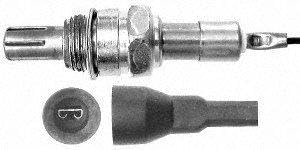
Image 1.1: The Standard Motor Products SG9 Oxygen Sensor. This image displays the metallic sensor body with threaded sections, a hexagonal fitting point, and an electrical connector at one end. Below the main sensor, a circular cap with a 'B' marking and a rubber boot are shown, indicating components related to the sensor's connection or protection.
2. Safety Information
Always prioritize safety when working on your vehicle. Failure to follow safety precautions can result in injury or damage to the vehicle.
- Ensure the vehicle's engine is off and cool before beginning any work.
- Disconnect the vehicle's battery to prevent electrical hazards.
- Wear appropriate personal protective equipment (PPE), including safety glasses and gloves.
- Use proper tools for the job.
- If you are unsure about any step, consult a qualified automotive technician.
- Exhaust components can be extremely hot; allow sufficient time for cooling.
3. Installation Guide
Installation of an oxygen sensor typically requires specific tools and knowledge of automotive systems. Professional installation is recommended.
3.1. Preparation
- Locate the existing oxygen sensor. Sensors are typically found in the exhaust manifold or exhaust pipe.
- Ensure the engine is completely cool to avoid burns.
- Disconnect the negative terminal of the vehicle's battery.
- Apply a penetrating lubricant to the old sensor's threads if it appears corroded or seized. Allow time for it to work.
3.2. Removal of Old Sensor
- Carefully disconnect the electrical connector from the old oxygen sensor.
- Using an oxygen sensor socket or an appropriate wrench, loosen and remove the old sensor. Be careful not to damage the exhaust threads.
3.3. Installation of New Sensor
- Inspect the threads in the exhaust system. If damaged, a thread chaser may be required.
- Apply a small amount of anti-seize compound (usually supplied with the new sensor) to the threads of the new SG9 oxygen sensor. Avoid getting anti-seize on the sensor tip.
- Carefully thread the new sensor into the exhaust bung by hand to prevent cross-threading.
- Tighten the sensor to the manufacturer's specified torque using an oxygen sensor socket or wrench. Do not overtighten.
- Reconnect the electrical connector, ensuring it clicks securely into place.
- Reconnect the vehicle's battery.
3.4. Post-Installation
After installation, start the engine and check for any exhaust leaks around the new sensor. The Check Engine Light (CEL) may need to be cleared using an OBD-II scanner if it was illuminated due to the faulty sensor. Drive the vehicle to allow the ECU to relearn and confirm proper sensor operation.
4. Operating Principles
The SG9 Oxygen Sensor functions by generating a voltage signal that varies based on the oxygen concentration in the exhaust gas compared to the ambient air. This signal is sent to the vehicle's ECU, which uses it to adjust the air-fuel mixture for optimal combustion efficiency and reduced emissions. A properly functioning oxygen sensor is crucial for fuel economy and catalytic converter longevity.
5. Maintenance
Oxygen sensors are wear-and-tear items and have a finite lifespan. While they do not typically require routine maintenance, their performance can degrade over time due to exposure to exhaust gases, contaminants, and high temperatures.
- Lifespan: The typical lifespan of an oxygen sensor can vary, but it is generally recommended to inspect or consider replacement every 60,000 to 100,000 miles, depending on vehicle manufacturer recommendations and driving conditions.
- Inspection: During routine vehicle inspections, a technician may check the sensor's wiring for damage or corrosion.
- Replacement: Replace the sensor if diagnostic trouble codes (DTCs) related to oxygen sensor performance are present, or if symptoms of a failing sensor are observed.
6. Troubleshooting
A failing oxygen sensor can lead to various issues. Common symptoms and diagnostic indicators include:
- Check Engine Light (CEL): This is the most common indicator. Diagnostic trouble codes (DTCs) such as P0130-P0167 (related to O2 sensor circuits) will often be stored.
- Reduced Fuel Economy: An inaccurate oxygen sensor signal can cause the engine to run too rich or too lean, leading to decreased fuel efficiency.
- Increased Emissions: The vehicle may fail emissions tests due to improper air-fuel mixture control.
- Rough Idling or Stalling: In some cases, a faulty sensor can cause erratic engine behavior.
- Sulfur Smell from Exhaust: An overly rich mixture can lead to a rotten egg smell from the exhaust.
If you experience any of these symptoms, it is recommended to have your vehicle diagnosed by a qualified technician using an OBD-II scanner.
7. Specifications
| Attribute | Value |
|---|---|
| Brand | Standard Motor Products |
| Model Number | SG9 |
| Product Type | ELECTRONIC SENSOR |
| Item Dimensions (L x W x H) | 2 x 2 x 4 inches |
| Item Weight | 1 Pounds |
| UPC | 091769025281 |
| Manufacturer | Standard Motor Products |
| Date First Available | November 11, 2005 |
8. Warranty and Support
For information regarding warranty coverage, technical support, or replacement parts for your Standard Motor Products SG9 Oxygen Sensor, please refer to the official Standard Motor Products website or contact their customer service directly. Keep your purchase receipt as proof of purchase.
Note: This manual provides general guidance. Always refer to your vehicle's specific service manual for detailed instructions and torque specifications.