
CURT 13099
CURT 13099 Class 3 Trailer Hitch User Manual
2-Inch Receiver for Select Chevrolet, GMC C/K, and Ford Pickup Trucks
Product Overview
The CURT 13099 Class 3 Trailer Hitch is designed for serious towing applications, offering a vehicle-specific fit and robust weight capacity. This hitch is suitable for a variety of trailers, including utility trailers, boat trailers, campers, snowmobile haulers, and ATV haulers. It features a standard 2-inch x 2-inch receiver tube and is constructed from high-strength steel with precise welding, protected by a dual-coat finish for enhanced durability.
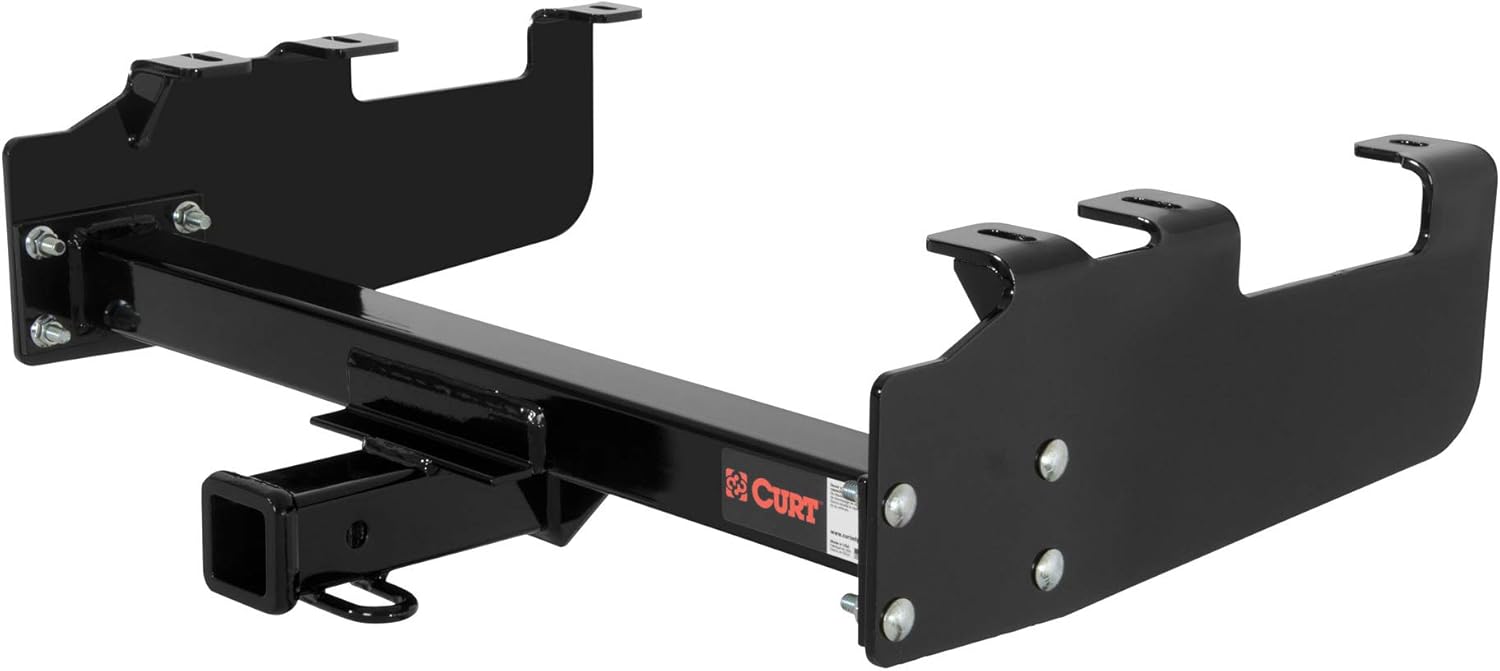
Figure 1: The CURT 13099 Class 3 Trailer Hitch, featuring a black powder-coat finish and a 2-inch receiver.
Specifications
| Model Number | 13099 |
| Receiver Tube Size | 2 inches x 2 inches |
| Gross Trailer Weight (GTW) | 6,000 lbs |
| Tongue Weight (TW) | 600 lbs |
| Weight Distribution Capacity (WDC) | 10,000 lbs |
| Weight Distribution Tongue Weight (WDTW) | 1,000 lbs |
| Material | Carbon Steel |
| Finish | Liquid A-coat and Black Powder Coat (co-cured) |
| Testing Standard | SAE J684 |
| Vehicle Service Type | ATV, Car, Marine-Personal-Craft, Pickup Trucks, Snowmobiles, Sport-Utility-Vehicles, Trailer |
| Product Dimensions | 44 x 15 x 8 inches |
| Item Weight | 8 ounces (Note: This weight is unusually low for a trailer hitch and may be a data entry error.) |
Note: Never exceed the lowest-rated towing component (vehicle, hitch, trailer, etc.).

Figure 2: Icon indicating the 2-inch receiver tube size of the hitch.
Installation Guidelines
The CURT 13099 trailer hitch is designed for a custom, vehicle-specific fit on select model years of older Ford, GMC, and Chevrolet pickup trucks. It is crucial to consult the detailed installation instructions provided with your specific hitch package for accurate and safe installation. General steps typically include:
- Preparation: Ensure the vehicle is on a level surface and properly supported. Gather all necessary tools and hardware.
- Clearance: Temporarily lower or remove the spare tire if it obstructs the installation area.
- Positioning: Carefully position the hitch assembly against the vehicle's frame rails, aligning the mounting holes.
- Securing: Insert the provided bolts and hardware through the frame and hitch mounting points. Hand-tighten all fasteners.
- Final Tightening: Refer to the specific torque specifications in your instruction manual to tighten all bolts securely.
- Reinstallation: Reinstall any components removed during the process, such as the spare tire.
Note: Some installations may require drilling additional holes in the vehicle frame. Always follow the manufacturer's instructions for drilling and bolt tightening. Professional installation is recommended if you are unfamiliar with vehicle modifications.

Figure 3: A CURT hitch undergoing rigorous testing to ensure structural integrity and safety, in accordance with SAE J684 standards.
Operating Instructions
Once installed, the CURT 13099 Class 3 Trailer Hitch provides a secure connection point for towing. Adhere to the following guidelines for safe operation:
- Hitch Ball and Mount: Use a hitch ball and ball mount compatible with a 2-inch receiver and rated for your towing requirements. Ensure the hitch ball is properly torqued to the ball mount.
- Trailer Connection: Securely attach the trailer coupler to the hitch ball. Engage the coupler latch and insert a safety pin or lock.
- Safety Chains: Always cross safety chains under the trailer coupler and attach them to the designated chain loops on the hitch. This prevents the trailer from separating completely if the coupler fails.
- Wiring: Connect the trailer's electrical wiring to the vehicle's towing harness to ensure proper function of trailer lights and brakes.
- Weight Distribution: For heavier loads or to achieve level towing, this hitch is compatible with a weight distribution system. Follow the weight distribution system's instructions for proper setup.
- Load Limits: Never exceed the maximum towing capacities of the hitch, your vehicle, or any other towing component.
- Inspection: Before each tow, inspect the hitch, ball mount, hitch ball, safety chains, and wiring for any signs of wear, damage, or loose connections.

Figure 4: A detailed view of the standard 2-inch hitch receiver, ready for a ball mount or other towing accessory.
Maintenance
Proper maintenance will extend the life and ensure the safe operation of your CURT trailer hitch.
- Regular Inspection: Periodically inspect the hitch for any signs of rust, cracks, bends, or other damage. Pay close attention to weld points and mounting hardware.
- Cleanliness: Keep the receiver tube free of dirt, debris, and rust. This ensures easy insertion and removal of ball mounts and accessories.
- Finish Protection: The hitch is protected with a co-cured liquid A-coat and black powder coat finish, designed for superior resistance to rust, chipping, and UV damage. Avoid using harsh chemicals or abrasive materials that could compromise this finish.
- Hardware Check: Regularly check all mounting bolts and nuts to ensure they remain tightened to the manufacturer's specified torque settings.

Figure 5: Hitch components immersed in a liquid A-coat bath, part of the dual-coat finishing process for enhanced corrosion resistance.
Troubleshooting
This section addresses common issues that may arise with trailer hitch usage. For complex problems, consult a qualified professional.
- Difficulty Installing: If the hitch does not align with the vehicle's frame, double-check the vehicle compatibility information. Ensure no obstructions are present. Some installations may require minor adjustments or drilling, as specified in the detailed instructions.
- Loose Connections: If the hitch feels loose after installation, re-check all bolts and ensure they are torqued to the correct specifications. Over time, bolts can loosen due to vibration; regular checks are essential.
- Excessive Sway During Towing: This is often related to improper load distribution on the trailer or insufficient tongue weight. Ensure the trailer is loaded correctly, and consider using a weight distribution hitch if your setup allows and requires it.
- Rust or Corrosion: While the hitch has a protective coating, prolonged exposure to harsh conditions or damage to the finish can lead to rust. Clean affected areas and apply a rust-inhibiting paint if necessary.
Important Safety Information
- Always adhere to the towing capacity limits of your vehicle, the trailer hitch, and the trailer itself. Use the lowest rating as your maximum.
- Ensure all towing components (hitch, ball mount, hitch ball, pins, clips, safety chains, wiring) are in good working order and properly secured before each trip.
- Distribute the trailer load evenly, with approximately 10-15% of the total trailer weight on the tongue for conventional trailers.
- Drive cautiously when towing. Allow for increased stopping distances and wider turns.
- Regularly check tire pressure on both the tow vehicle and the trailer.
Related documents13099


Ask a question about this manual
Ask about setup, troubleshooting, compatibility, parts, safety, or missing instructions. Manuals+ will review the question and use this page’s manual context to help answer it.