
1. Introduction
This manual provides essential information for the safe and effective use of your Evolution Power Tools EVOBLADESS 180mm Stainless Steel Carbide-Tipped Blade. This blade is specifically designed for cutting stainless steel, offering durability and efficient performance when used correctly. Please read all instructions carefully before installation and operation.
Key Features:
- Designed specifically for cutting stainless steel.
- Features a 48-tooth configuration for fast and efficient cuts.
- High-grade carbide teeth ensure increased durability and longevity.
- Hardened blade body maintains trueness for extended operational life.
- 180 mm blade diameter with a 20 mm bore diameter.
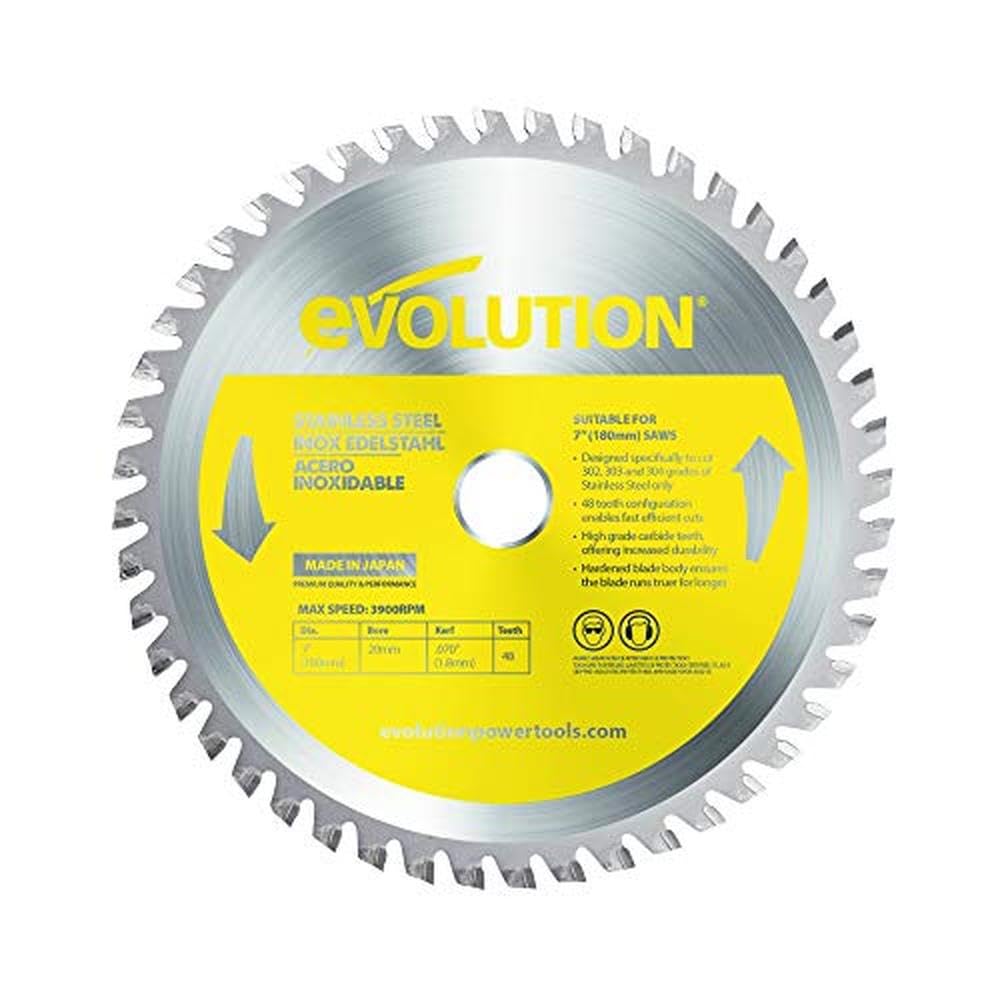
Figure 1: The Evolution Power Tools 180mm Stainless Steel Carbide-Tipped Blade, designed for cutting stainless steel.
2. Safety Information
Always prioritize safety when working with power tools and cutting blades. Failure to follow safety instructions can result in serious injury.
General Safety Precautions:
- Read Power Tool Manual: Always refer to the instruction manual of your specific power tool (e.g., circular saw, miter saw) for its safety guidelines and blade installation procedures.
- Personal Protective Equipment (PPE): Wear appropriate PPE, including safety glasses, hearing protection, and gloves, during operation.
- Disconnect Power: Ensure the power tool is disconnected from the power source before installing, removing, or inspecting the blade.
- Inspect Blade: Before each use, inspect the blade for any signs of damage, cracks, missing teeth, or excessive wear. Do not use a damaged blade.
- Correct Blade for Material: Use this blade exclusively for cutting stainless steel as specified. Using it on other materials may cause damage to the blade or tool, and can be unsafe.
- Secure Workpiece: Always secure the workpiece firmly to prevent movement during cutting.
- Maintain Clear Area: Keep the work area clean and free of obstructions. Ensure adequate lighting.
- Avoid Overreaching: Maintain proper footing and balance at all times.
3. Setup and Installation
Proper installation of the blade is crucial for safe and effective operation.
Blade Compatibility:
- This blade has a diameter of 180mm and a bore diameter of 20mm.
- Ensure your power tool is compatible with these dimensions and is designed for metal cutting applications.

Figure 2: Example of compatible Evolution saws (S185 CCSL and EVOSAW 185) for the 180mm stainless steel blade. Always verify your tool's specifications.
Installation Steps:
- Disconnect Power: Unplug the power tool from the electrical outlet.
- Consult Tool Manual: Refer to your power tool's instruction manual for specific blade changing procedures.
- Remove Old Blade (if applicable): Follow your tool's instructions to safely remove any existing blade.
- Clean Arbor: Ensure the arbor and blade flanges are clean and free of debris.
- Install New Blade: Place the EVOBLADESS blade onto the arbor, ensuring the rotation arrow on the blade matches the rotation direction of the saw.
- Secure Blade: Reinstall the blade washer and arbor nut, tightening it securely according to your tool's specifications. Do not overtighten.
- Check for Free Rotation: Manually rotate the blade to ensure it spins freely without obstruction.
4. Operating Instructions
This blade is designed for optimal performance when cutting stainless steel. Adhere to the following guidelines for best results and safety.
Cutting Stainless Steel:
- Material Suitability: This blade is specifically engineered for cutting stainless steel. Do not use it for other materials like wood, mild steel, or aluminum, as this can damage the blade and compromise safety.
- Optimal Speed: The blade is designed to operate efficiently at speeds up to 3900 RPM. Ensure your saw's RPM is within the recommended range for this blade.
- Controlled Feed Rate: Apply a consistent, moderate feed rate. Avoid forcing the blade through the material, as this can lead to overheating, premature wear, and kickback.
- Cooling: For heavy or prolonged cuts, consider using appropriate cutting fluids or coolants designed for stainless steel to extend blade life and improve cut quality.
- Spark Management: Cutting metal will produce sparks. Ensure the work area is clear of flammable materials and that appropriate fire safety measures are in place.
- Blade Depth: Adjust the blade depth on your saw so that the blade extends just below the workpiece.
5. Maintenance
Regular maintenance will prolong the life of your blade and ensure consistent performance.
- Cleaning: After each use, disconnect the power tool and carefully clean the blade to remove any accumulated metal chips or debris. Use a brush or compressed air. Avoid harsh chemicals that may damage the carbide tips.
- Inspection: Periodically inspect the blade for signs of wear, damage, or dullness. Look for chipped or missing carbide teeth, cracks in the blade body, or excessive runout.
- Sharpening: Carbide-tipped blades can be professionally sharpened. Do not attempt to sharpen the blade yourself unless you have specialized equipment and training.
- Storage: Store the blade in a dry, safe place, preferably in its original packaging or a protective case, to prevent damage to the teeth and corrosion. Keep out of reach of children.
6. Troubleshooting
If you encounter issues during operation, refer to the following common problems and solutions.
| Problem | Possible Cause | Solution |
|---|---|---|
| Poor cut quality / Excessive burrs | Dull blade, incorrect feed rate, wrong blade for material. | Inspect blade for sharpness; adjust feed rate; ensure blade is used only for stainless steel. Replace if dull or damaged. |
| Excessive sparks / Overheating | Blade is dull, too much force applied, incorrect RPM, lack of coolant. | Reduce feed pressure; check blade sharpness; verify saw RPM; consider using cutting fluid. |
| Blade binding or kickback | Workpiece not secured, improper blade alignment, forcing the cut. | Ensure workpiece is clamped securely; check blade installation; avoid forcing the cut. |
| Blade vibrates excessively | Loose blade, damaged blade, dirty arbor/flanges. | Tighten arbor nut; inspect blade for damage; clean arbor and flanges. |
If problems persist after attempting these solutions, consult your power tool's manual or contact Evolution Power Tools customer support.
7. Specifications
Detailed technical specifications for the EVOBLADESS 180mm Stainless Steel Carbide-Tipped Blade.
| Attribute | Value |
|---|---|
| Model Number | EVOBLADESS |
| Blade Diameter | 180 mm (7.09 inches) |
| Bore Diameter | 20 mm |
| Number of Teeth | 48 |
| Material | Stainless Steel (Carbide-Tipped) |
| Max Speed | 3900 RPM |
| Item Thickness | 1.8 Millimeters |
| Item Weight | 0.29 Pounds (approx. 4.6 ounces) |
| UPC | 849713000439 |
| Manufacturer | Evolution |

Figure 3: Evolution Power Tools offers a full range of blades for various materials, including mild steel, stainless steel, thin steel, aluminum, and wood. Ensure you use the correct blade for your application.
8. Warranty and Support
Evolution Power Tools products are manufactured to high standards and are typically covered by a manufacturer's warranty against defects in materials and workmanship.
- Warranty Information: For specific warranty terms and conditions, please refer to the documentation provided with your original purchase or visit the official Evolution Power Tools website.
- Customer Support: If you have any questions, require technical assistance, or need to report a defect, please contact Evolution Power Tools customer support. Contact details can usually be found on their official website or in your product packaging.
- Online Resources: Additional resources, FAQs, and product information may be available on the Evolution Power Tools website: www.evolutionpowertools.com


