

1. Introduction
The Edelbrock 1430 Metering Jet is a precision component designed for fine-tuning the fuel delivery system in Edelbrock Performer Series and Thunder Series AVS carburetors. This jet works in conjunction with the metering rod to accurately control the air/fuel ratio, particularly during cruise conditions. Proper selection and installation of metering jets are crucial for optimal engine performance and fuel efficiency.

Figure 1.1: Two Edelbrock 1430 Metering Jets. These brass components are designed to regulate fuel flow within compatible carburetors.
2. Setup and Installation
Installation of the Edelbrock 1430 Metering Jet requires careful attention to detail and familiarity with carburetor components. It is recommended that this procedure be performed by individuals with appropriate mechanical knowledge.
2.1 Compatibility
This metering jet is specifically designed for use with Edelbrock Performer Series and Thunder Series AVS carburetors.
2.2 Installation Procedure
- Ensure the engine is cool and the fuel system is depressurized.
- Carefully remove the carburetor air horn and float bowls as per your carburetor's service manual.
- Locate the existing metering jets. These are typically found at the bottom of the main wells.
- Using the appropriate tool, carefully unscrew and remove the old metering jets.
- Install the Edelbrock 1430 Metering Jets, ensuring they are seated correctly and tightened to the manufacturer's specifications. Avoid over-tightening.
- Reassemble the carburetor components, ensuring all gaskets and seals are properly in place to prevent fuel leaks.
- After reassembly, check for any fuel leaks before starting the engine.
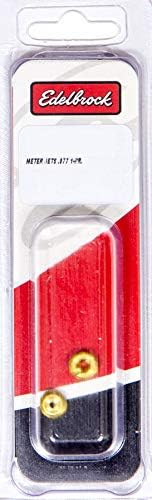
Figure 2.1: Edelbrock 1430 Metering Jet in its retail packaging. The packaging ensures the jets are protected before installation.
3. Operating Principles and Tuning
The Edelbrock 1430 Metering Jet is a critical component in carburetor tuning, primarily affecting the cruise air/fuel ratio. Its interaction with the metering rod allows for precise fuel delivery adjustments.
3.1 Air/Fuel Ratio Adjustment
The metering jet, in combination with the metering rod, determines the effective fuel orifice size. The step in the metering rod changes the effective jet area between high and low manifold vacuum conditions. This design allows for a leaner cruise air/fuel ratio, which can be beneficial for fuel economy and emissions.
3.2 Tuning Considerations
- Altitude: At higher altitudes, the air density decreases, requiring a leaner fuel mixture. The 1430 metering jet can be used to achieve a leaner than standard main metering jet setting for high-altitude operation.
- Fuel Type: When using high-test fuel, a leaner mixture may also be desirable.
- Performance: Adjusting the metering jets is a key step in optimizing engine performance for specific applications and conditions.
4. Maintenance
Metering jets generally require minimal maintenance, but periodic inspection is recommended to ensure optimal performance.
- Inspection: During carburetor service or rebuilds, inspect the metering jets for any signs of damage, corrosion, or blockages.
- Cleaning: If necessary, clean the jets using a carburetor cleaner and compressed air. Ensure the small orifice (drill size 0.104 inch) is clear of any debris. Avoid using wire brushes or abrasive tools that could alter the jet's precise dimensions.
- Replacement: If a jet is damaged, corroded, or its orifice appears altered, it should be replaced with a new Edelbrock 1430 Metering Jet to maintain proper fuel calibration.
5. Troubleshooting Common Issues
Issues related to metering jets typically manifest as incorrect air/fuel ratios, affecting engine performance. This section provides general guidance.
5.1 Engine Running Rich (Excess Fuel)
- Symptoms: Black smoke from exhaust, strong fuel odor, poor fuel economy, fouled spark plugs.
- Possible Causes: Jet size too large for current conditions, metering rod incorrect, fuel pressure too high, float level too high.
- Action: Consider a smaller jet size or adjusting the metering rod. Verify fuel pressure and float level.
5.2 Engine Running Lean (Insufficient Fuel)
- Symptoms: Engine hesitation, backfiring, overheating, poor acceleration, white or light gray spark plugs.
- Possible Causes: Jet size too small for current conditions, metering rod incorrect, fuel pressure too low, clogged jet, vacuum leak.
- Action: Consider a larger jet size or adjusting the metering rod. Check for clogged jets, proper fuel pressure, and vacuum leaks.
Always consult a qualified mechanic or Edelbrock's official resources for detailed carburetor tuning and troubleshooting specific to your application.
6. Specifications
| Attribute | Detail |
|---|---|
| Manufacturer | Edelbrock |
| Brand | Edelbrock |
| Model Number | 1430 |
| Item Weight | 0.48 ounces |
| Material | Brass |
| Drill Size | 0.104 inch |
| Fuel Type Compatibility | Gasoline |
| Carburetor Compatibility | Edelbrock Performer Series, Thunder Series AVS |
7. Warranty and Support
For specific warranty information regarding the Edelbrock 1430 Metering Jet, please refer to the documentation provided with your purchase or visit the official Edelbrock website. For technical assistance, installation guidance, or troubleshooting beyond the scope of this manual, it is recommended to contact Edelbrock customer support directly or consult with a certified automotive technician.
