
Kidde KN-COEG-3
Kidde KN-COEG-3 Carbon Monoxide and Explosive Gas Alarm User Manual
Your essential guide to setup, operation, and maintenance.
Introduction
The Kidde KN-COEG-3 Carbon Monoxide and Explosive Gas Alarm is designed to protect your home and family from the dangers of carbon monoxide (CO), methane, natural gas, propane, and other explosive gases. Utilizing advanced electrochemical sensor technology, this alarm provides continuous monitoring and alerts you with an 85-decibel alarm and a clear digital LED display when gas is detected. It features both plug-in operation and a 9-volt battery backup for continuous protection during power outages.

Figure 1: Front view of the Kidde KN-COEG-3 Carbon Monoxide and Explosive Gas Alarm.
Key Features
- Dual Detection: Detects both carbon monoxide and explosive gases (methane, natural gas, propane).
- Digital LED Display: Shows CO levels in parts per million (ppm) or indicates "GAS" when explosive gas is present.
- Plug-In with Battery Backup: Operates on 120V AC power with a 9-volt alkaline battery for continuous protection during power failures.
- 85-Decibel Alarm: Provides a loud, clear warning when gas is detected.
- Peak Level Memory: Records the highest CO level detected since the last reset or power cycle.
- Smart-Hush Button: Temporarily silences nuisance alarms for approximately 8 minutes.
- Multiple Mounting Options: Can be plugged directly into a wall outlet, wall-mounted, or placed on a table/shelf using the included extension cord.

Figure 2: The alarm offers 2-in-1 detection for carbon monoxide and explosive gases.
Setup and Installation
The Kidde KN-COEG-3 alarm offers flexible installation options to suit your home's needs.
1. Battery Installation
Before initial use, the included 9-volt alkaline battery must be installed. This battery provides backup power in case of an AC power outage.
- Locate the battery compartment on the back of the unit.
- Open the battery compartment cover.
- Connect the 9-volt battery to the battery clip.
- Place the battery into the compartment and close the cover securely.
2. Power Connection
The alarm is designed to plug into a standard 120V AC wall outlet.
- Direct Plug-In: Simply plug the unit directly into any standard 120V AC wall outlet. The plug can be rotated to ensure the unit remains vertical regardless of outlet orientation.
- Tabletop Placement: For placement on a table or shelf, use the included 6-foot extension cord. Plug the alarm into the extension cord, and then plug the extension cord into a wall outlet.
- Wall Mount: The unit can also be wall-mounted using the provided screws and anchors. Ensure the unit is plugged into an outlet or the extension cord is used for power.

Figure 3: Rear view showing the 9V battery compartment and rotatable plug.
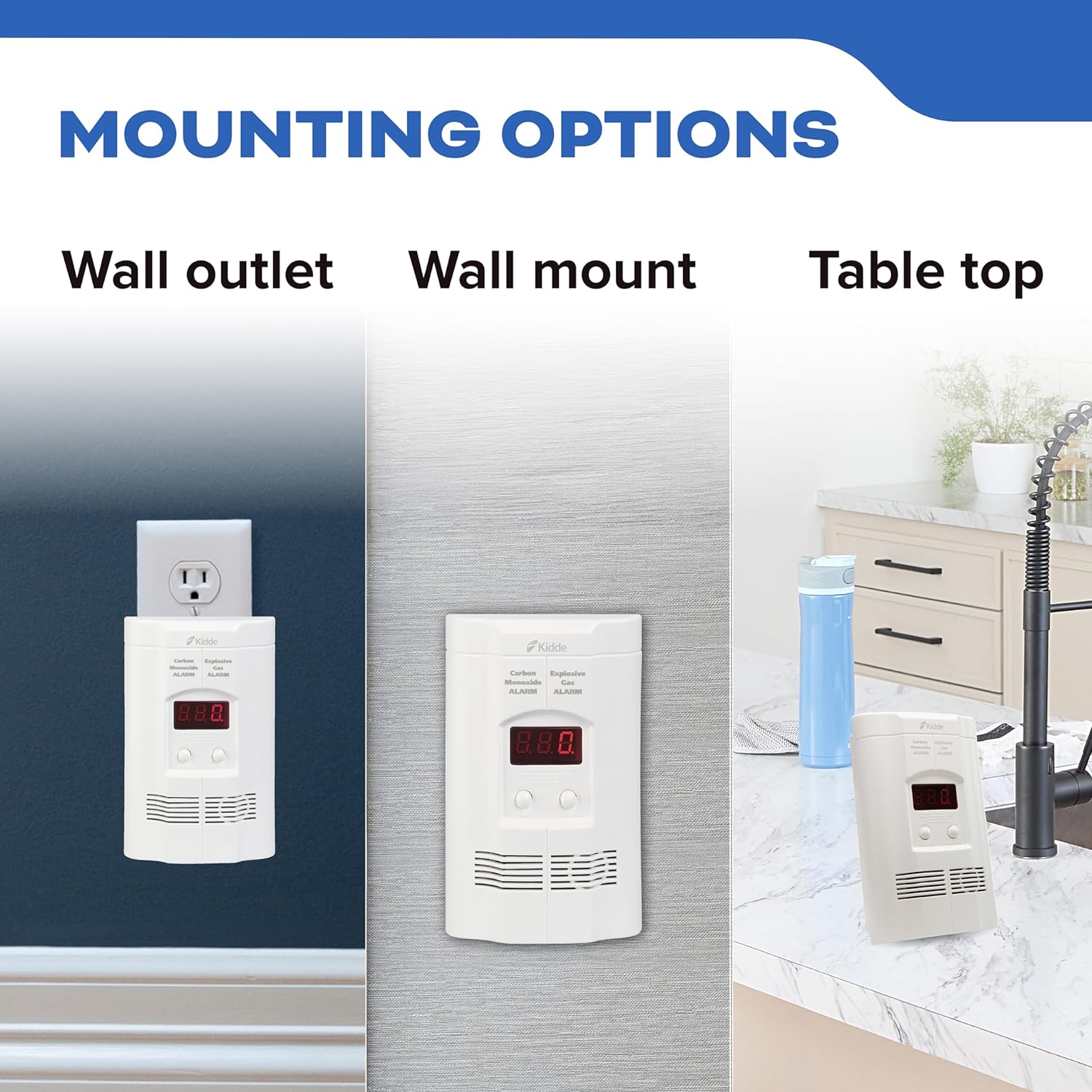
Figure 4: Various mounting and placement options for the alarm.
Operating Instructions
Once powered, the alarm will perform a self-test and begin monitoring. The digital display provides real-time information.
Digital Display and Status Indicator
The digital LED display shows the current CO level in parts per million (ppm) or indicates "GAS" when explosive gas is detected. It updates every 15 seconds. A blinking dot in the lower right-hand corner of the display indicates normal operation.
Test/Reset Button
Press and hold the "TEST/RESET" button to test the alarm's functionality. The alarm will sound, and the display will show a test sequence. Release the button to stop the test. This button also silences the alarm during a nuisance alarm or resets the Peak Level Memory.
Peak Level Button
Press the "PEAK LEVEL" button to view the highest CO concentration recorded by the alarm since it was last reset or unplugged.

Figure 5: Labeled diagram of the alarm's front panel controls and indicators.

Figure 6: Alarm notifications are triggered when CO or explosive gas is detected.
Placement Guidelines
For optimal protection, install a carbon monoxide and explosive gas alarm on every level of your home, especially near sleeping areas. Avoid placing alarms within 6 feet of cooking or heating appliances to prevent false alarms.

Figure 7: Recommended placement of safety devices throughout a home.
Understanding Alarms and Gases
Carbon monoxide (CO) is an odorless, tasteless, and invisible gas often referred to as the "silent killer." Methane and propane gases, while commonly used, can also pose risks if leaks occur.
Common Sources of Carbon Monoxide
- Fireplaces
- Kitchen Ranges
- Portable Heaters
- Generators
- Grills
- Water Heaters
- Garages (running vehicles)
- Broken Pipes (gas leaks)

Figure 8: Visual representation of common CO sources in and around the home.
Maintenance and Testing
Regular maintenance ensures your alarm functions correctly.
Regular Testing
Test your alarm weekly by pressing the Test/Reset button. The alarm should sound, indicating proper operation of the horn and circuitry.
Battery Replacement
The 9-volt battery should be replaced annually, or immediately if the low battery warning sounds (a chirp or specific indicator). Always use a fresh 9-volt alkaline battery.
Cleaning
Clean the alarm regularly to prevent dust buildup from interfering with sensor operation. Use a soft, damp cloth to wipe the exterior. Do not use cleaning sprays or solvents.
Troubleshooting
- Alarm Chirping: A persistent chirping sound typically indicates a low battery. Replace the 9-volt battery immediately. Note that the low battery alert can be very loud and persistent until the battery is replaced.
- False Alarms: If the alarm sounds without apparent gas presence, it might be due to cooking fumes, shower steam, or proximity to combustion appliances. Use the Smart-Hush button to temporarily silence the alarm. Relocate the alarm if false alarms are frequent.
- Difficulty Opening Battery Cover: Some users report the battery cover can be stiff. Use a sturdy, flat tool (like a screwdriver) to gently pry it open if needed, being careful not to damage the unit.
- No Display/Power: Ensure the unit is securely plugged into a working 120V AC outlet. Check the circuit breaker. If using battery backup, ensure the battery is correctly installed and not depleted.
Specifications
| Attribute | Value |
|---|---|
| Brand | Kidde |
| Model Number | KN-COEG-3 |
| Power Source | Plug In (120V AC) with 9V Battery Backup |
| Sensor Type | Electrochemical |
| Alarm Decibel | 85 dB |
| Product Dimensions | 4"D x 4"W x 2"H |
| Item Weight | 1 Pound |
| Operating Humidity | 5% to 95% relative humidity, non-condensing |
| Upper Temperature Rating | 100 Degrees Fahrenheit |
Warranty and Support
The Kidde KN-COEG-3 Carbon Monoxide and Explosive Gas Alarm comes with a 5-year limited manufacturer's warranty. For detailed warranty information or support, please refer to the official User Guide (PDF) available online or contact Kidde customer service.
User Guide (PDF): Download User Guide
Warranty (PDF): Download Warranty Information
Related documentsKN-COEG-3


Ask a question about this manual
Ask about setup, troubleshooting, compatibility, parts, safety, or missing instructions. Manuals+ will review the question and use this page’s manual context to help answer it.