
1. Introduction
This manual provides essential information for the safe and effective use of your DEWALT DWA7747 14-inch 66-tooth ferrous metal cutting saw blade. This blade is engineered for cutting various ferrous metals and is designed for use with compatible dry-cut metal saws. Please read and understand all instructions before installation and operation.
2. Safety Information
WARNING: Failure to follow these safety instructions may result in serious injury or property damage.
- Eye Protection: Always wear ANSI Z87.1 compliant eye protection with side shields when operating power tools and cutting with this blade.
- Hearing Protection: Wear hearing protection during operation to prevent noise-induced hearing loss.
- Hand Protection: Use appropriate gloves to protect hands from sharp edges and debris.
- Machine Compatibility: This blade is designed for dry-cut metal saws with a maximum RPM of 1800. DO NOT use this blade on abrasive chop saws or other machines that operate at higher RPMs, as this can lead to blade failure, injury, and premature wear.
- Material Compatibility: This blade is primarily for ferrous metals. It can also cut aluminum with appropriate lubrication. DO NOT use this blade to cut hardened shafts, concrete, wood, or other non-recommended materials.
- Workpiece Securing: Always ensure the workpiece is securely clamped before cutting. Movement of the workpiece during cutting can cause blade damage, kickback, and injury.
- Blade Inspection: Before each use, inspect the blade for cracks, missing teeth, or other damage. Never use a damaged blade.
- Proper Ventilation: Ensure adequate ventilation in the work area to disperse metal dust and fumes.
3. Product Features
The DEWALT DWA7747 saw blade incorporates several design elements for optimal performance and durability:
- Titanium Carbide Teeth: Crafted with 12% titanium carbide for enhanced durability and cutting performance in tough metal applications.
- Precise Tip Placement: Engineered for accurate cuts and extended blade life.
- Stiff Plate Design: Minimizes run-out and vibration, contributing to longer blade life and cleaner cuts.
- Modified ATB Tooth Geometry: Provides clean, burr-free cuts, reducing the need for secondary finishing.
- Tri-Foil Braze: Absorbs stress and increases the strength of each tooth tip for exceptional durability.
- Expansion Slots: Designed to dissipate heat, which helps extend the blade's overall lifespan.
4. Setup and Installation
Follow these steps for safe installation of the saw blade:
- Disconnect Power: Always unplug the power tool from its power source before attempting to install or remove the saw blade.
- Consult Tool Manual: Refer to your specific dry-cut metal saw's instruction manual for detailed blade change procedures.
- Arbor Size Verification: Ensure your saw's arbor matches the blade's 1-inch arbor hole.
- Direction of Rotation: Install the blade so that the teeth are oriented in the correct direction of rotation as indicated by the arrows on the blade and your saw.
- Secure Fastening: Securely fasten the blade using the appropriate washers and arbor nut, ensuring it is tightened to the manufacturer's specifications. Do not overtighten.
- Guard Placement: Ensure all safety guards are properly in place and functioning before reconnecting power.

Figure 1: DEWALT DWA7747 blade with key specifications.
5. Operating Instructions
For optimal performance and safety, adhere to the following operating guidelines:
- Secure Workpiece: Always clamp the material firmly to prevent movement during the cut. Unsecured material can cause kickback and damage the blade or machine.
- Start Saw: Allow the saw blade to reach its full operating speed (up to 1800 RPM) before beginning the cut.
- Controlled Feed Rate: Apply steady, consistent pressure. Do not force the blade through the material. Let the blade's teeth do the work. Forcing the cut can lead to premature dulling, tooth loss, and overheating.
- Coolant/Lubricant (for Aluminum): When cutting aluminum, apply a suitable cutting lubricant to the blade to prevent material buildup and improve cut quality.
- Avoid Overheating: If the blade becomes excessively hot, allow it to cool before continuing. Overheating can reduce blade life and performance.
- Clear Debris: Ensure the cutting area is clear of debris before and after each cut.

Figure 2: Blade in operation, delivering clean, burr-free cuts.
6. Maintenance
Regular maintenance ensures the longevity and performance of your saw blade:
- Cleaning: Periodically clean the blade to remove accumulated metal chips and residue. Use a suitable blade cleaner and a stiff brush. Ensure the blade is disconnected from the power tool before cleaning.
- Inspection: Regularly inspect the blade for signs of wear, such as dull teeth, cracks, or missing carbide tips. A dull blade will require more force to cut and can lead to poor cut quality and increased risk of kickback.
- Sharpening: When the blade becomes dull, it can be professionally sharpened. Attempting to sharpen carbide-tipped blades without specialized equipment can damage the blade and compromise its safety and performance.
- Replacement: Replace the blade if it shows signs of significant damage, such as large cracks, multiple missing teeth, or if it cannot be effectively sharpened.

Figure 3: Stiff plate design for enhanced durability.
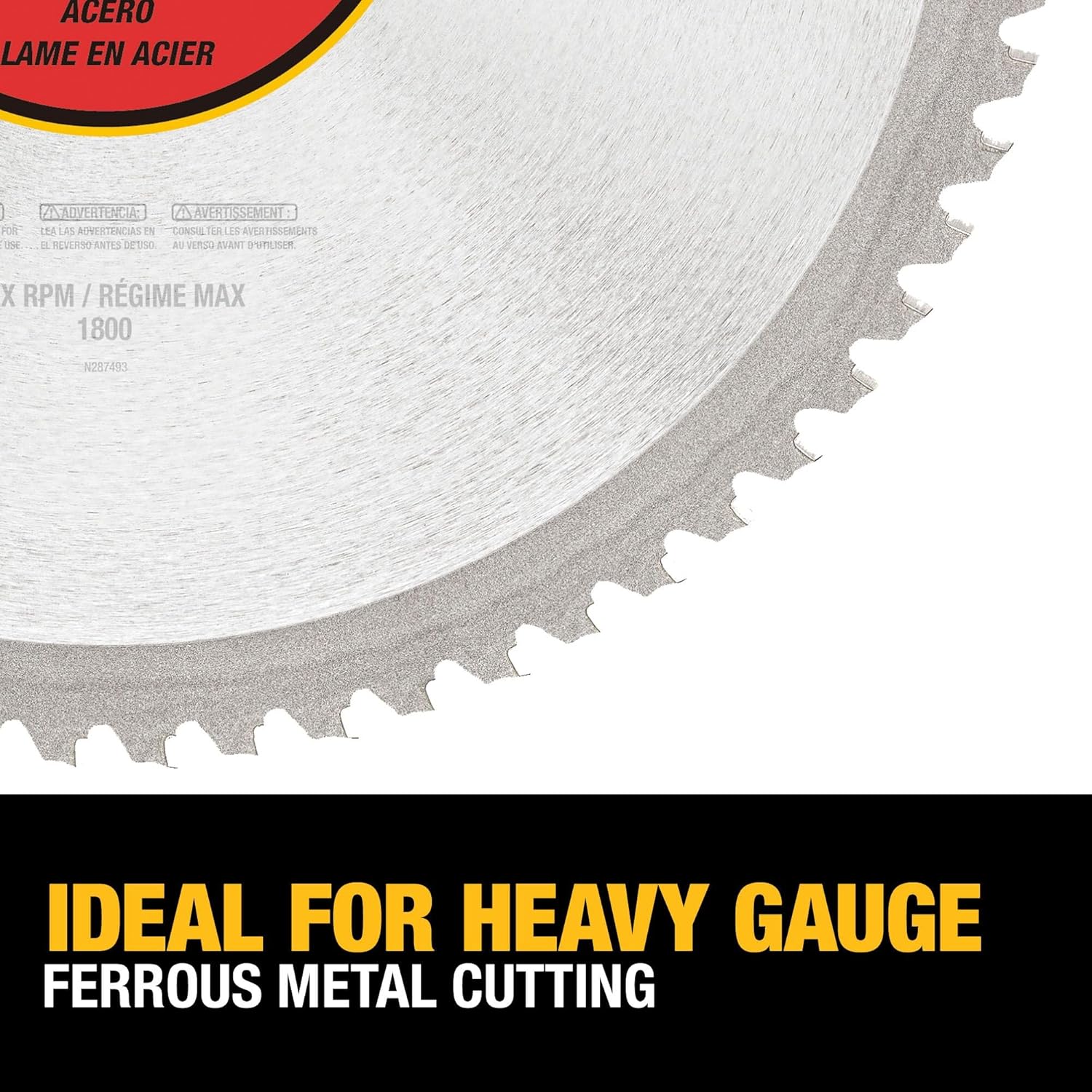
Figure 4: Tooth geometry optimized for heavy gauge ferrous metal cutting.
7. Troubleshooting
| Issue | Possible Cause | Solution |
|---|---|---|
| Blade dulls quickly or loses teeth | Incorrect RPM for the saw, forcing the cut, cutting hardened materials, improper workpiece clamping, cutting non-recommended materials. | Ensure saw operates at or below 1800 RPM. Allow the blade to cut at its own pace. Avoid cutting hardened shafts. Securely clamp all workpieces. Use only for ferrous metals or aluminum with lubricant. |
| Burrs on cut edges | Dull blade, incorrect feed rate, improper material support. | Inspect and sharpen or replace the blade if dull. Adjust feed rate to a steady, controlled pace. Ensure material is fully supported throughout the cut. |
| Excessive vibration or noise | Loose blade, damaged blade, incorrect arbor size, worn saw components. | Check blade installation and tighten arbor nut. Inspect blade for damage and replace if necessary. Verify arbor size. Consult your saw's manual for maintenance of saw components. |
8. Specifications
| Specification | Value |
|---|---|
| Model Number | DWA7747 |
| Blade Diameter | 14 inches (355 mm) |
| Number of Teeth | 66 |
| Arbor Hole Size | 1 inch |
| Kerf | 0.091 inches |
| Hook Angle | 1.5 degrees |
| Maximum RPM | 1800 |
| Material | Titanium Carbide |
| Item Weight | 0.26 Pounds (approx. 4.2 ounces) |
| Product Dimensions | 14"L x 14"W |
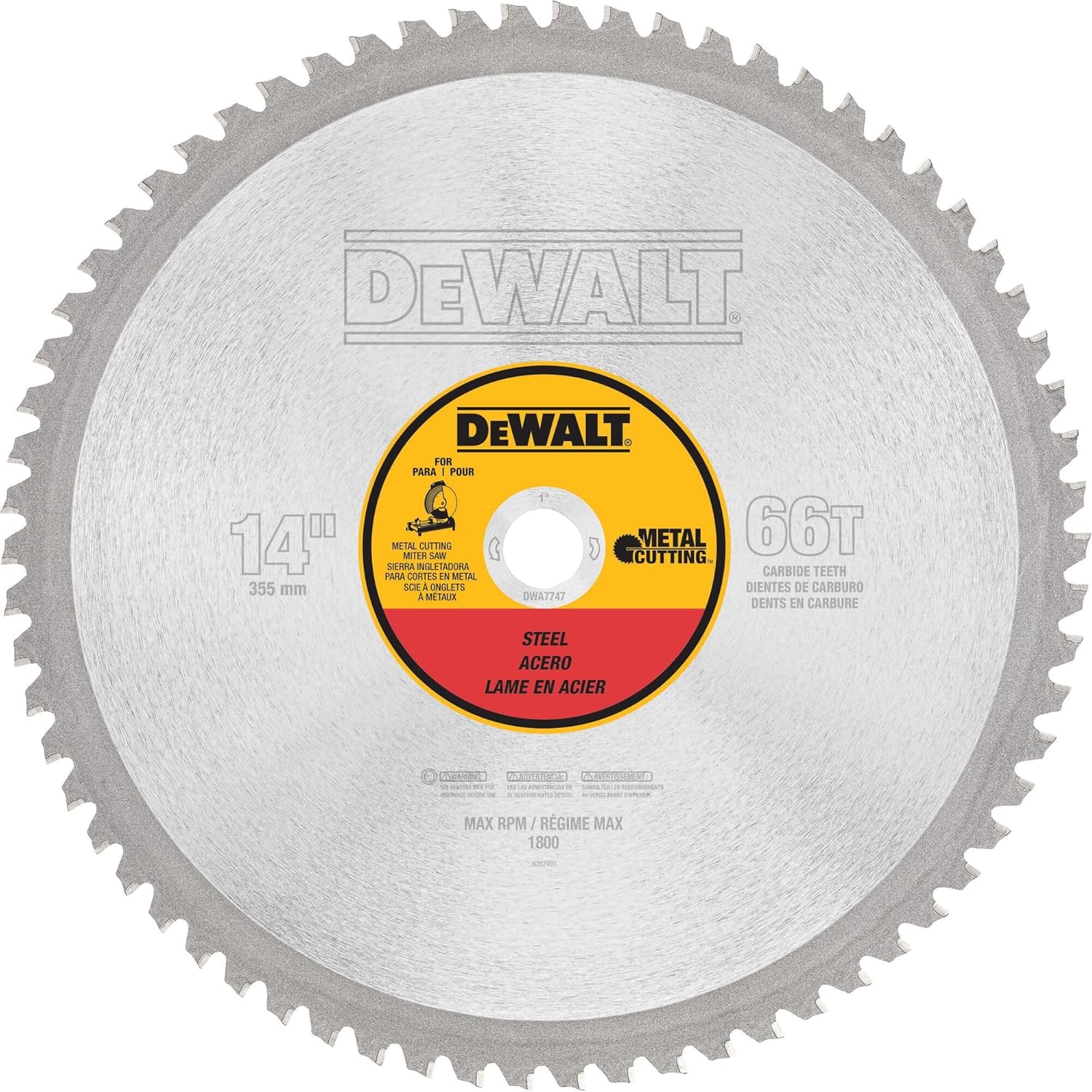
Figure 5: DEWALT DWA7747 product in packaging.
9. Storage
Store the saw blade in a dry, clean, and safe location, away from moisture and corrosive materials. Keep it out of reach of children and unauthorized personnel. Use original packaging or a protective case to prevent damage to the teeth.
10. Disposal
Dispose of worn or damaged saw blades responsibly according to local regulations. Metal recycling facilities may accept carbide-tipped blades.
11. Contact Information
For further assistance or inquiries regarding your DEWALT DWA7747 saw blade, please contact DEWALT customer support or visit the official DEWALT website.
DEWALT Customer Service: Refer to your region's DEWALT website for contact details.


