Introduction to Deliverance
This manual serves as a guide to James Dickey's acclaimed novel, Deliverance. First published in 1970, this work explores themes of survival, civilization versus wilderness, and the primal instincts within humanity. It is set in the remote Georgia wilderness, following four city men on a fateful canoe trip down a river destined to be dammed.
The narrative delves into the psychological and physical challenges faced by the characters, forcing them to confront their own limits and the harsh realities of an untamed environment. Understanding the context and key elements of the novel can significantly enhance the reading experience.
1. Preparing to Read (Setup)
To fully immerse yourself in Deliverance, consider the following preparatory steps:
- Environment: Find a quiet space free from distractions. The novel's intense atmosphere benefits from focused attention.
- Historical Context: While not strictly necessary, a brief understanding of early 1970s American societal anxieties regarding nature, masculinity, and the Vietnam War era can provide additional layers of interpretation.
- Author's Background: James Dickey was a renowned poet before writing Deliverance. His poetic sensibility is evident in the novel's descriptive language and imagery.
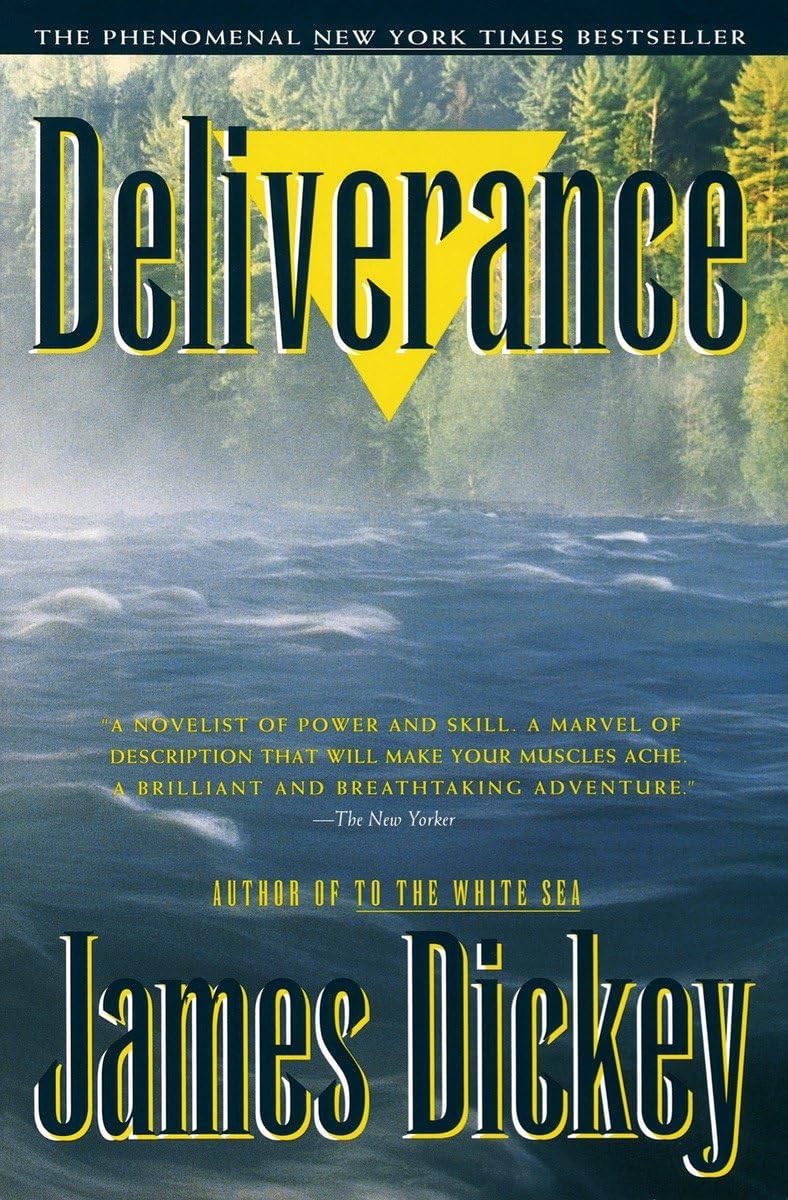
This image displays the cover of the 'Deliverance' paperback edition. The title 'Deliverance' is prominently featured in large, bold letters against a backdrop of a flowing river and dense forest, evoking the novel's wilderness setting. The author's name, James Dickey, is also visible at the bottom.
2. Engaging with the Text (Operating)
Deliverance is a novel that rewards careful reading. Pay attention to:
- Symbolism: The river, the wilderness, and the characters' actions often carry symbolic weight, representing broader ideas about human nature and society.
- Character Development: Observe how the four main characters—Ed, Lewis, Bobby, and Drew—evolve under extreme pressure. Their individual responses to crisis are central to the narrative.
- Narrative Voice: The story is told from Ed Gentry's first-person perspective. His internal thoughts and observations provide deep insight into the events and their psychological impact.
- Pacing: The novel's pacing shifts from a leisurely setup to intense, rapid action, mirroring the escalating tension of the canoe trip.
3. Caring for Your Copy (Maintenance)
To ensure the longevity of your paperback edition of Deliverance:
- Storage: Store the book upright on a shelf or flat to prevent spine damage. Avoid direct sunlight to prevent fading of the cover and pages.
- Handling: Turn pages carefully to avoid tearing. Avoid folding page corners to mark your place; use a bookmark instead.
- Cleanliness: Keep the book away from food and liquids. If the cover gets dusty, gently wipe it with a dry, soft cloth.
4. Overcoming Reading Challenges (Troubleshooting)
If you encounter difficulties while reading Deliverance:
- Intense Content: The novel contains graphic and disturbing scenes. If you find these challenging, consider taking breaks or discussing the content with a reading group.
- Dense Prose: Dickey's writing can be highly descriptive. If you feel overwhelmed, try rereading passages or focusing on the main plot progression before delving into deeper analysis.
- Unfamiliar Terminology: The novel may use terms related to canoeing, hunting, or the natural environment that are unfamiliar. A quick search can clarify these.
5. Book Specifications
| Title | Deliverance |
| Author | James Dickey |
| Format | Paperback |
| Publisher | Delta |
| Publication Date | September 10, 1994 |
| Print Length | 278 pages |
| Language | English |
| ISBN-10 | 038531387X |
| ISBN-13 | 978-0385313872 |
| Item Weight | 9.6 ounces |
| Dimensions | 5.28 x 0.6 x 8 inches |
6. Support & Further Reading
For further information regarding Deliverance or James Dickey's works, consider the following resources:
- Publisher Information: For inquiries about the publication, contact Delta (an imprint of Random House). Specific contact details are typically found on the copyright page of the book or the publisher's official website.
- Literary Criticism: Explore academic articles and literary analyses of Deliverance to deepen your understanding of its themes and impact.
- Author's Other Works: James Dickey was a prolific poet and author. Consider reading his poetry collections or other novels like To the White Sea.
- Film Adaptation: A film adaptation of Deliverance was released in 1972. While not a substitute for the novel, it offers a visual interpretation of the story.


