1. Selelekela
This user manual provides essential information for the proper application, understanding, and maintenance of the Centurion RS4500.10 Environmentally Hazardous Substances Self-Adhesive Vinyl Sticker. This product is designed to clearly identify areas or containers with substances that are hazardous to the environment, ensuring compliance with safety regulations and promoting a safe working environment.

Figure 1: Centurion RS4500.10 Environmentally Hazardous Label. This diamond-shaped label features a dead tree and a dead fish, symbolizing environmental harm.
2. Sehlahisoa Overview le Likarolo
The Centurion RS4500.10 label is a high-quality, self-adhesive vinyl sticker designed for durability and clear visibility. It adheres to standard safety sign requirements for identifying environmentally hazardous materials.
- Boholo: 250mm x 250mm square, designed to be displayed as a diamond.
- Ho khomarela: Self-adhesive backing for easy application to various surfaces.
- Bongata: Supplied in a pack of 10 stickers.
- Boitsebiso: Durable vinyl, suitable for indoor and outdoor use.
- Qetella: Laminated for enhanced durability and resistance to wear.

Figure 2: The Centurion RS4500.10 label, highlighting its self-adhesive nature and packaging as a pack of 10.
3. Litlhaloso
Detailed specifications for the Centurion RS4500.10 sticker are provided below:
| Tšobotsi | Lintlha |
|---|---|
| Moetsi | Centurion |
| Nomoro ea Karolo | RS4500.10 |
| Boima ba Ntho | 11 g |
| Litekanyo tsa Sehlahisoa | 0.1 x 20 x 30 cm (packaging); Sticker: 250mm x 250mm |
| Mmala | White (background for symbol) |
| Qetella | Laminated, Adhesive |
| Lintho tse bonahalang | Vinyl |
| Sebopeho | Square (for diamond display) |
| Thepa Package Bongata | 1 (containing 10 stickers) |
| Kenyellelitsoe Likaroloana | 10 x Environmentally Hazardous Labels |

Figure 3: Diagram illustrating the 250mm x 250mm dimensions of the label.
4. Application and Installation
Proper application ensures maximum visibility and longevity of the label.
4.1 Tokiso ea Sefahleho
- Hloekisa Sebaka: Ensure the application surface is clean, dry, and free from dust, grease, or any contaminants. Use a suitable cleaning agent if necessary, and allow the surface to dry completely.
- Sebaka se Boreleli: For best adhesion, apply the sticker to a smooth, non-porous surface.
4.2 Applying the Sticker
- Ho Hloekisa Mahlo: Carefully peel a small portion of the backing paper from one corner of the sticker.
- Lumellanya 'me u tobetse: Align the sticker to the desired position. Slowly press the exposed adhesive portion onto the surface, working from one edge to the other to avoid air bubbles.
- Smooth Out: As you peel off the rest of the backing paper, use a squeegee or a clean cloth to smooth the sticker onto the surface, pushing out any trapped air bubbles towards the edges.
- Khomarelo ea ho Qetela: Once fully applied, press firmly over the entire surface of the sticker to ensure complete adhesion.
4.3 Likhothaletso tsa ho Kena
Consider the following recommendations for optimal visibility and compliance:
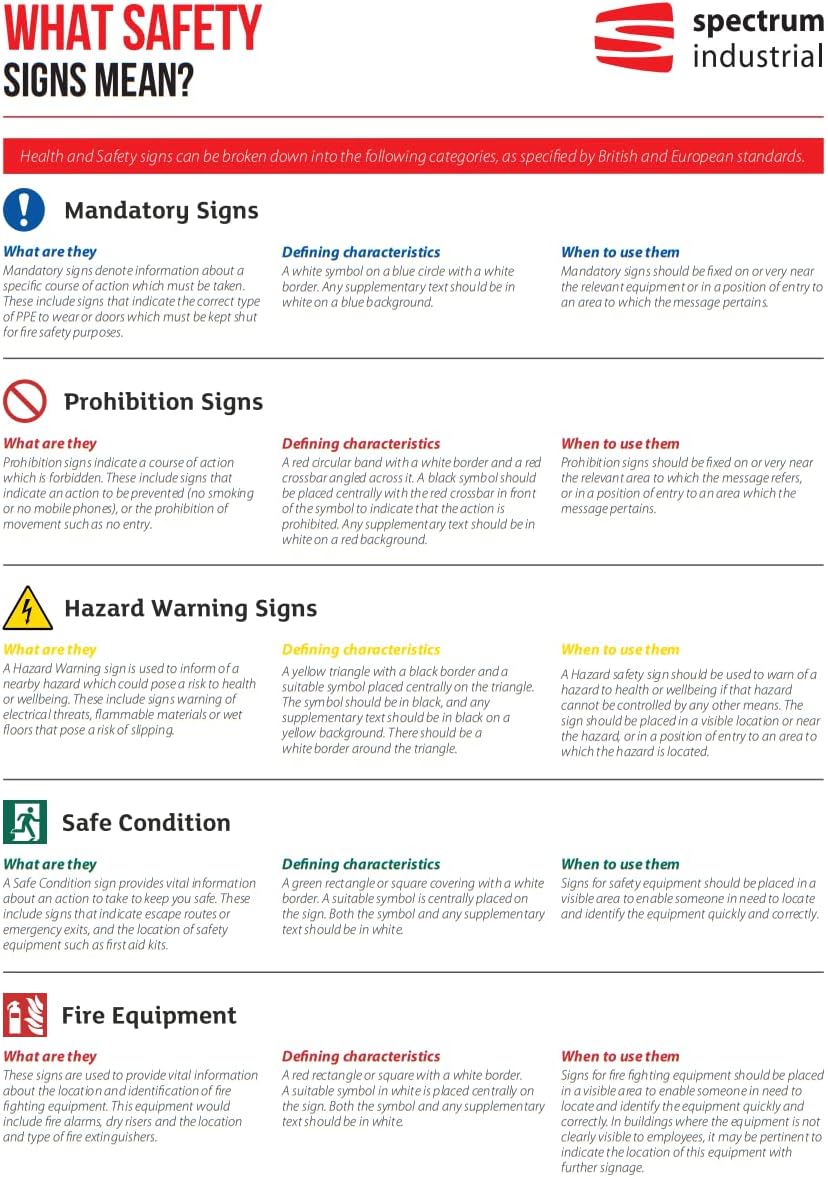
Figure 4: General recommendations for installing safety signs, including lighting, placement, and maintenance.
- Ponahalo: Signs should be clearly visible and unobstructed.
- Lebone: Ensure adequate lighting, or use photo-luminescent material if light levels are poor (though this product is not photo-luminescent).
- Sebaka: Avoid placing on movable objects or near doors/windows that might obscure them.
- Boemo: Faded, degraded, or damaged signs should be replaced immediately.
- Tlhokomelo: Keep signs clean and well-maintained.
5. Tlhokomelo le Tlhokomelo
To ensure the longevity and effectiveness of your Centurion RS4500.10 labels, follow these care and maintenance guidelines:
- Ho hloekisa: Clean the surface of the sticker periodically with a soft, damp cloth and mild soap. Avoid abrasive cleaners or harsh chemicals that could damage the vinyl or laminate.
- Tlhahlobo: Regularly inspect the labels for any signs of wear, fading, peeling, or damage.
- Phetoho: If a label becomes damaged, faded, or loses its adhesive properties, replace it immediately to maintain clear hazard identification.
- Lintlha tsa Tikoloho: While designed for durability, extreme temperatures or prolonged exposure to direct sunlight may affect the lifespan of the sticker over many years.
6. Understanding the Environmentally Hazardous Label and General Safety
The Centurion RS4500.10 label features the Globally Harmonized System (GHS) pictogram for environmental hazards. This symbol is crucial for communicating risks associated with substances that can cause adverse effects to the aquatic environment or other environmental compartments.
6.1 Symbol Meaning
- The symbol depicts a dead tree and a dead fish, indicating a substance's toxicity to aquatic life and potential long-term environmental damage.
- This pictogram is used for chemicals that are hazardous to the aquatic environment (acute and chronic).
6.2 General Safety Sign Information
Understanding the different types of safety signs helps in interpreting their meaning and ensuring compliance.

Setšoantšo sa 5: Ho fetaview of different categories of safety signs, including Mandatory, Prohibition, Hazard Warning, Safe Condition, and Fire Equipment signs, as per British and European standards.
The Centurion RS4500.10 falls under the category of Hazard Warning Signs, which are typically yellow triangles with a black border and symbol, indicating a potential hazard.

Figure 6: Promoting a strong health and safety culture, emphasizing the importance of safety signs in preventing workplace injuries.
7. Ho Rarolla Mathata a Tloaelehileng
While the Centurion RS4500.10 labels are designed for reliable performance, you may encounter minor issues.
- Ho Khomarela ho Fosahetseng:
- Lebaka: Surface not clean, oily, dusty, or too textured.
- Tharollo: Ensure the surface is thoroughly cleaned and dried before application. Apply to smooth, non-porous surfaces for best results. If the sticker is already applied and peeling, it may need to be replaced after proper surface preparation.
- Air Bubbles Under Sticker:
- Lebaka: Sticker applied too quickly or unevenly.
- Tharollo: When applying, slowly peel the backing and smooth the sticker from one edge to the other using a squeegee or credit card to push out air. For existing small bubbles, you can try to gently push them towards the edge or carefully prick with a fine needle and smooth down.
- Ho fokola kapa ho senyeha:
- Lebaka: Prolonged exposure to harsh elements, physical abrasion.
- Tharollo: Replace the sticker. Regular inspection helps identify issues early.
8. Tiisetso le Tšehetso
Centurion products are manufactured to high standards. While specific warranty details for this type of consumable product may vary, general support is available for manufacturing defects.
- E khutlisa: This product is typically eligible for returns within 30 days of receipt if purchased through Amazon. Please refer to Amazon's return policy for specific conditions.
- Tšehetso ea Bareki: For any inquiries regarding product quality or application, please contact the seller or Centurion customer service through the platform where the purchase was made.
9. Manufacturing Information
The Centurion RS4500.10 Environmentally Hazardous Labels are manufactured in the United Kingdom, ensuring adherence to quality and safety standards.


