1. Ruzivo Rwakakosha Chekuchengetedza
Read this instruction manual carefully before using the appliance and save it for future reference. Always follow basic safety precautions when using electrical appliances to reduce the risk of fire, electric shock, and personal injury.
- Kuchengetedzwa Kwemagetsi: Iva nechokwadi chekuti voltage yakaratidza pane chishandiso chinoenderana neyako mains ma voltage before connecting. Do not operate the appliance with a damaged cord or plug.
- Njodzi yeSteam: The steamer produces hot steam. Keep hands and face away from the steam nozzle during operation. Do not direct steam at people or pets.
- Tangi Yemvura: Only fill the water tank with clean tap water. Do not add perfumes, vinegar, starch, descaling agents, or other chemicals, as these can damage the appliance or cause stains.
- Kugadzikana: Always place the steamer on a stable, flat surface. Ensure the poles are securely locked in place.
- Vana: Ichi chishandiso hachina kuitirwa kushandiswa nevana. Chengeta mudziyo netambo yawo kure nevana.
- Maintenance: Unplug the appliance before cleaning or performing any maintenance. Allow it to cool completely.
2. Chigadzirwa Pamusoroview
Familiarize yourself with the components of your Philips 1000 Series Stand Steamer.

Mufananidzo 2.1: Kupfuuraview of the Philips 1000 Series Stand Steamer components, including the adjustable double pole, large plastic plate, 3 steam settings dial, 36g/min continuous steam nozzle, detachable 1.8L water tank, and calc clean feature.
- A. Steam Nozzle: Delivers continuous steam for wrinkle removal.
- B. Steam Hose: Connects the base unit to the steam nozzle.
- C. Adjustable Double Pole: Provides stability and allows height adjustment for various garment lengths.
- D. Hanger Yakabatanidzwa: For conveniently hanging garments during steaming.
- E. Water Tank: Detachable 1.8L capacity for extended steaming sessions.
- F. Steam Settings Dial: Allows selection of three custom steam settings for different fabric types.
- G. Power Button/Indicator: Turns the appliance on/off and indicates operational status.
- H. De-Calc/Easy Rinse Knob: For performing the descaling function.
- I. Base Unit: Ine chinhu chinodziisa uye dziva remvura.
- J. Fabric Brush: (Included accessory) Helps to open fabric weave for better steam penetration on thicker fabrics.
- K. Protective Glove: (Included accessory) For hand protection during steaming.
3. Setup uye Gungano
Follow these steps to assemble your stand steamer before first use.
- Unpack Components: Nyatsobvisa zvikamu zvose kubva pakuputira.
- Assemble Poles: Insert the adjustable double poles into the designated slots on the base unit until they click into place. Ensure they are stable.
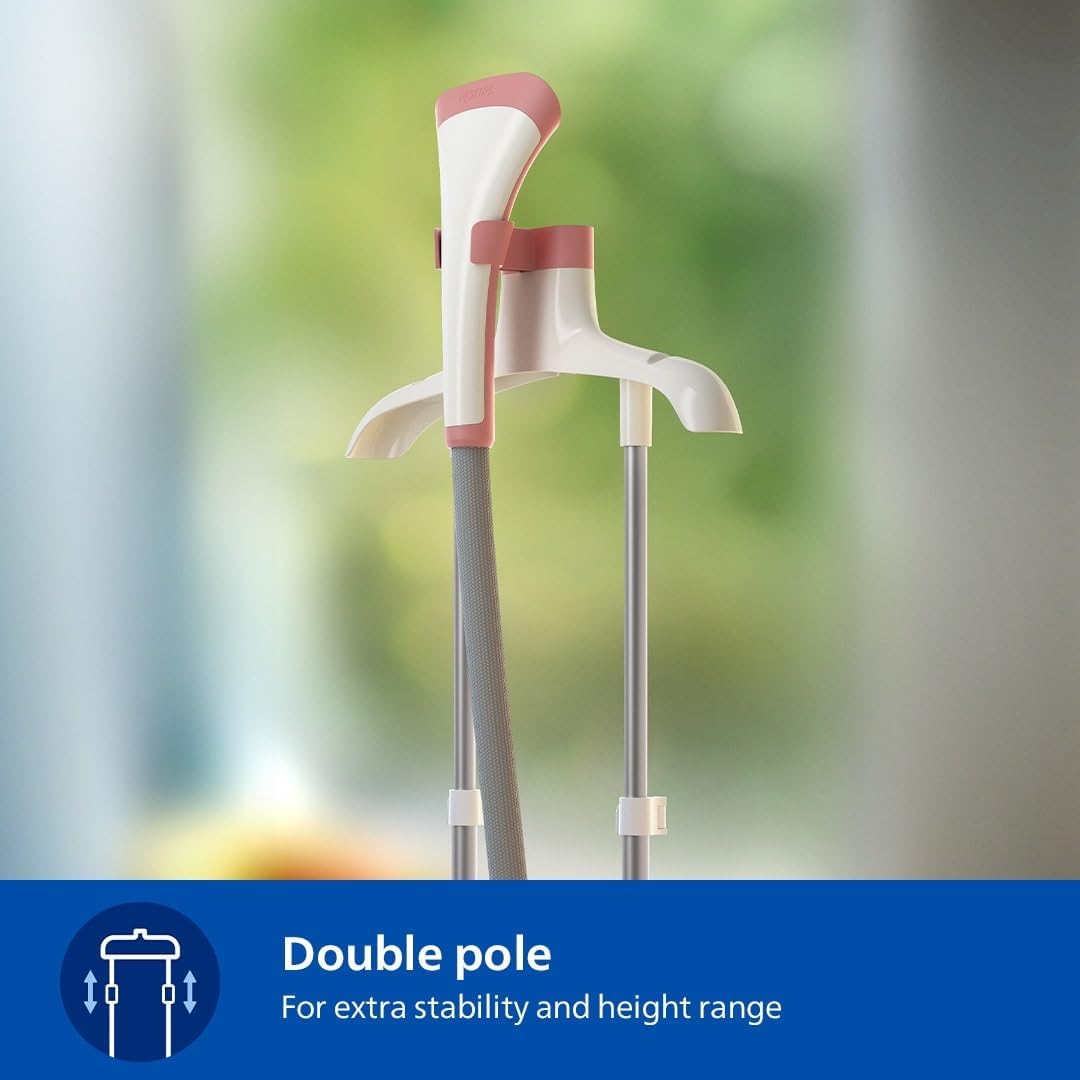
Figure 3.1: The double pole system provides stability and allows for height adjustment.
- Batanidza Hanger: Slide the integrated garment hanger onto the top of the poles.
- Batanidza Hosipaipi yeSteam: Securely attach the steam hose to the steam outlet on the base unit.
- Zadza Tangi Yemvura: Remove the detachable 1.8L water tank from the base. Open the cap, fill with clean tap water, and close the cap securely. Reinsert the water tank into the base unit.

Figure 3.2: The large 1.8L detachable water tank minimizes the need for frequent refills.
- Position Steamer: Place the assembled steamer on a stable, level surface, away from walls or furniture that could be damaged by steam.
4. Operating Instructions
Learn how to effectively use your Philips Stand Steamer for optimal results.
4.1 Kubatidza uye Kupisa
- Iva nechokwadi chekuti tangi remvura razara uye rakaiswa nemazvo.
- Batanidza tambo yemagetsi mudura remagetsi rakadzika.
- Press the power button. The indicator light will illuminate, and the steamer will begin to heat up. It heats up in approximately 45 seconds.
- Once ready, steam will start to emit from the nozzle.
4.2 Selecting Steam Settings
The steamer offers three custom steam settings to suit various fabric types.

Figure 4.1: The steam settings dial allows you to choose the appropriate steam level for your fabric.
- Low Steam: For delicate fabrics like silk, synthetics, and cashmere.
- Medium Steam: For lightweight fabrics such as cotton shirts and dresses.
- High Steam: For thick fabrics like denim, wool, and coats, providing a powerful 36g/min continuous steam output.

Figure 4.2: The steamer delivers a continuous steam output of 36g/min for effective de-wrinkling.
Rotate the steam settings dial to select your desired steam level.
4.3 Nguo dzinopisa
- Turika chipfeko pahanger yakabatanidzwa.
- Hold the steam nozzle close to the fabric, but do not press it directly against delicate materials.
- Move the nozzle slowly downwards over the fabric. For stubborn wrinkles, gently stretch the fabric with your free hand (using the protective glove for safety).
- For thicker fabrics, attach the fabric brush accessory to the steam nozzle to help open the weave and allow steam to penetrate deeper.
- The hot steam also helps to kill 99.9% of bacteria and remove odors, refreshing your clothes.

Figure 4.3: Steaming helps to sterilize fabrics, eliminating 99% of bacteria and dust mites.
- The large steam plate allows for fewer strokes, making the process more efficient.

Figure 4.4: The steamer features a large steam plate for efficient wrinkle removal.
- The steamer is safe for use on all ironable fabrics, including delicate materials.

Figure 4.5: The steamer is safe for use on a wide range of ironable fabrics, from delicate to heavy.
4.4 Finishing Steaming
- When finished, press the power button to turn off the appliance.
- Bvisa tambo yemagetsi kubva pakubuda.
- Bvumira mudziyo kuti utonhore zvachose usati wachengeta.
5. Kuchengetedza uye Kuchenesa
Kugadziriswa nguva dzose kunoita kuti steamer yako ishande zvakanaka uye kunoita kuti irambe ichirarama kwenguva refu.
5.1 Descaling (Easy Rinse Function)
To prevent limescale buildup and maintain strong steam output, regularly use the Easy Rinse descaling function. The frequency depends on water hardness and usage.
- Ita shuwa kuti mudziyo wakadzimwa uye wakanyatso kutonhorera.
- Bvisa tangi remvura.
- Place the steamer over a sink or basin.
- Locate the De-Calc/Easy Rinse knob on the base unit. Turn the knob to the "unlock" position and pull it out to drain the water from the base.
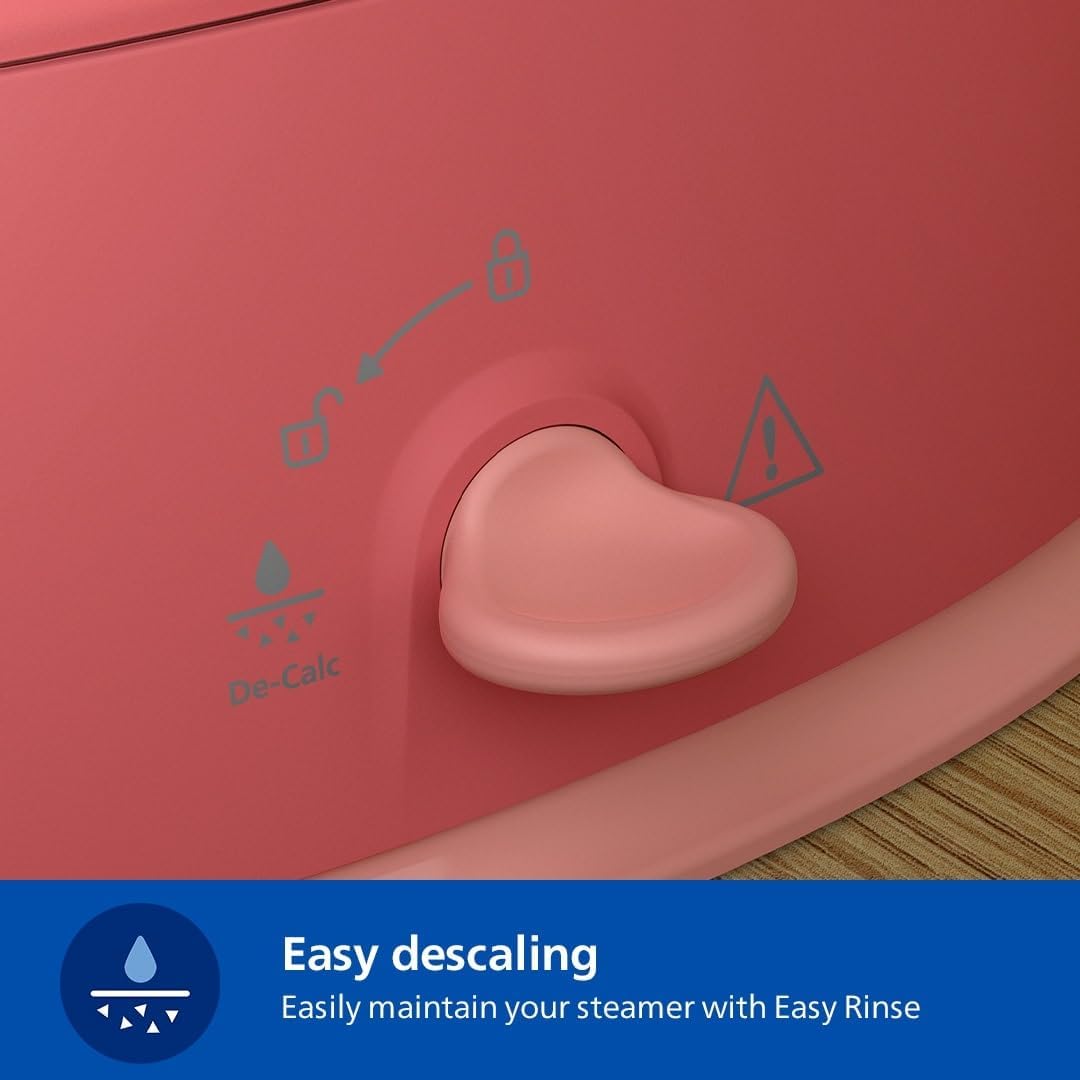
Figure 5.1: The Easy Descaling knob allows for simple maintenance to remove calcium deposits.
- Rinse the base unit with clean water, shaking gently, until no more scale particles come out.
- Reinsert and lock the De-Calc/Easy Rinse knob.
- Refill the water tank and perform a short steaming cycle to flush out any remaining residue.
5.2 Kuchenesa Steamer
- Pukuta kunze kwemudziyo nekanyoro, damp jira.
- Clean the steam nozzle plate with a damp jira. Usashandise abrasive cleaning agents.
- If the steam hose becomes clogged, gently stretch it to dislodge any mineral buildup.
6. Kugadzirisa matambudziko
Tarisa kuchikamu chino kune zvinowanzoitika uye mhinduro dzadzo.
| Dambudziko | Zvinogona Kukonzera | Solution |
|---|---|---|
| Hapana chipfu kana chisina simba. | Water tank is empty or not properly inserted. Limescale buildup. Steamer not heated sufficiently. | Refill water tank and ensure it's correctly seated. Perform descaling (Easy Rinse). Allow 45 seconds for heating. |
| Mvura iri kubuda kubva mumuromo. | Condensation in the hose. Steamer not hot enough. | Allow the steamer to heat up fully before use. Hold the nozzle higher than the hose to allow condensation to drain back into the base. |
| Appliance haibatike. | Haina kubaiwa. Dambudziko remagetsi. | Ita shuwa kuti tambo yemagetsi yakanamirwa zvakachengetedzeka muchinhu chinoshanda. Tarisa muvharidzi wedunhu. |
| Garments remain wrinkled. | Incorrect steam setting. Steaming too quickly. Fabric type. | Select a higher steam setting for thicker fabrics. Move the nozzle slower. For very stubborn wrinkles, consider using an iron. |
7. Zvinotsanangurwa
Key technical details of the Philips 1000 Series STE1020/40 Stand Steamer.
- Muenzaniso: STE1020/40
- Simba: 1800 Watts
- Inoenderera mberi Steam Output: 35g/min (as per product specifications)
- Mvura Tangi Kukwanisa: 1.8 litres
- Voltage: 220 Volts
- Zviyero zvechigadzirwa: 43.4L x 30.3W x 168.2H masendimita
- Chinhu Weight: 2.95 makirogiramu
- Zvinosanganisirwa Zvikamu: Fabric brush, Protective glove, Integrated hanger
- Ruvara: Yakapfava Tsvuku
8. Warranty uye Tsigiro
For warranty information and product support, please refer to the official Philips websaiti kana kubata basa ravo revatengi.
- Warranty: This product comes with a standard manufacturer's warranty. Please retain your proof of purchase for warranty claims. Specific warranty terms and duration may vary by region.
- Tsigiro yeVatengi: For technical assistance, spare parts, or service, visit the official Philips website or contact their local customer support center. You can find contact details on the Philips website or in the warranty booklet provided with your product.
- Zvekushandisa Pamhepo: Additional FAQs, troubleshooting guides, and product registration may be available on the Philips support website.


