1. Kupu Whakataki
This manual provides detailed instructions for setting up, operating, maintaining, and troubleshooting your HUAWEI 4G Wireless Router B311As-853. Please read this manual thoroughly before using the device to ensure proper and safe operation.
2. Ihirangi mokete
Manatokohia kei roto i to kete nga mea e whai ake nei:
- HUAWEI 4G Wireless Router B311As-853
- Pūurutau Hiko
- Aratohu Timata Tere (tenei tuhinga)
- Taura Ethernet (tērā pea ka rerekē i runga i te rohe)
Note: Actual contents may vary. Please check the packaging for a complete list.
3. Hua Neke Atuview
Familiarize yourself with the main components and indicators of your router.
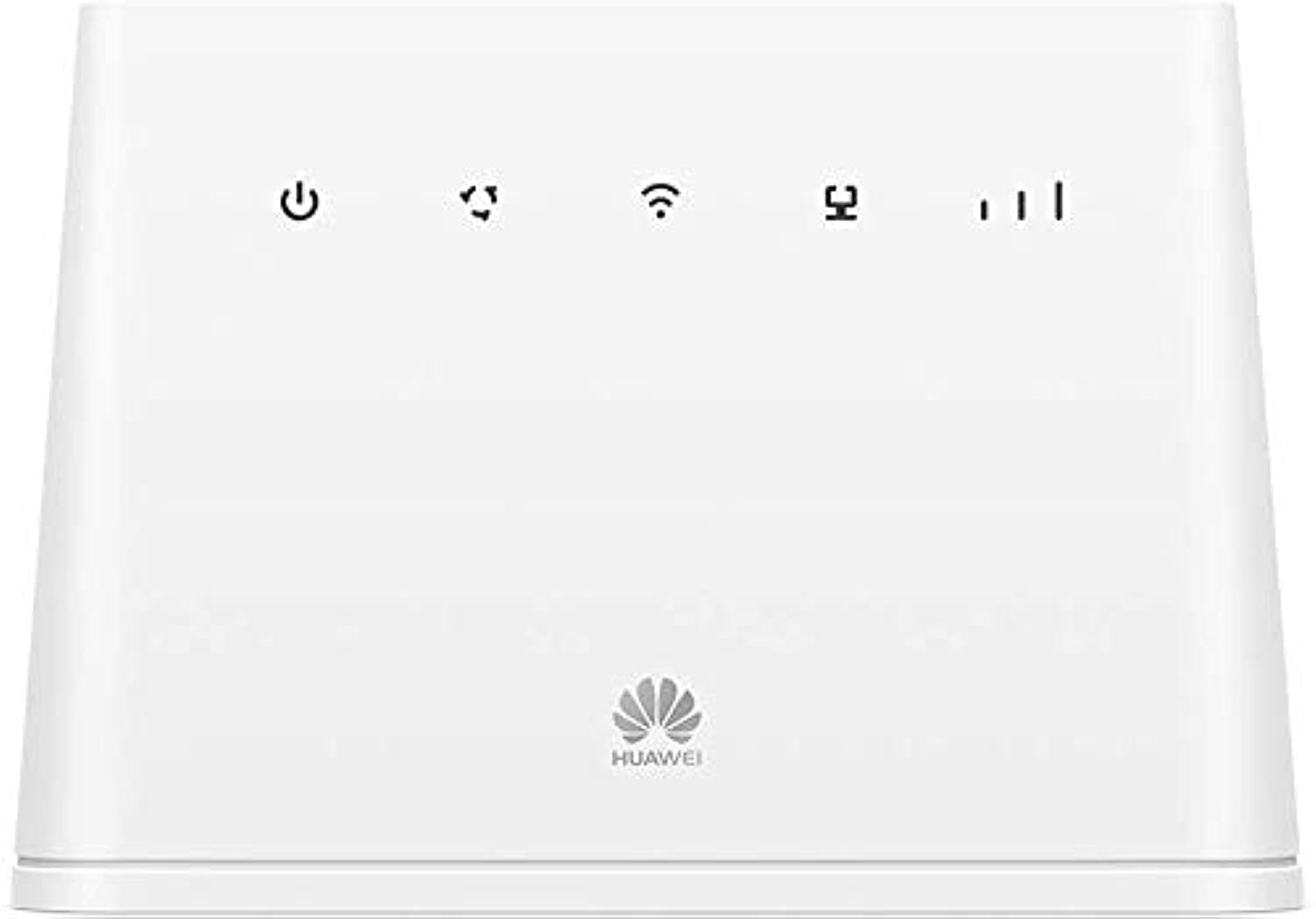
Whakaahua 1: Mua view of the HUAWEI 4G Wireless Router B311As-853, showing power and WPS buttons, and indicator lights for power, network status, Wi-Fi, and signal strength.
Rama Tohu:
- Tohu Hiko: Ka tohu i te mana mana.
- Tohu Tūnga Whatunga: Shows connection to the 4G network.
- Tohu Wi-Fi: Shows Wi-Fi status.
- Tohu Kaha Waitohu: Displays the strength of the 4G signal.
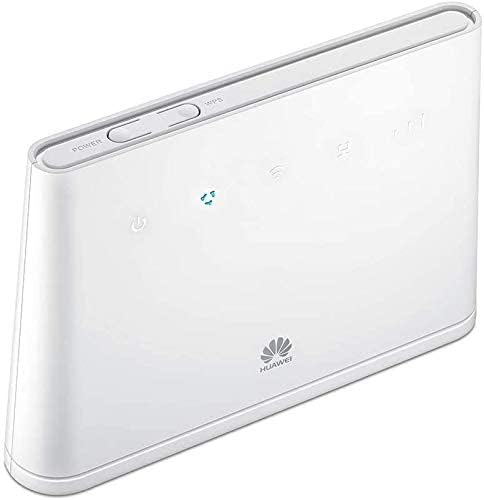
Whakaahua 2: Te taha view of the HUAWEI 4G Wireless Router B311As-853, showing ports and SIM card slot.
Tauranga me nga Patene:
- Tauranga Hiko: Ka hono ki te urutau hiko.
- Tauranga LAN/WAN: Connects to a computer or other network devices.
- Mokamoka Kaari SIM: Whakauruhia tō kāri SIM 4G ki konei.
- Patene Tautuhi Anō: Whakamahia hei whakahoki i ngā tautuhinga wheketere.
- Pātene WPS: Mō te Tatūnga tere mō te Wi-Fi.
4. Aratohu Tatūnga
4.1. Te whakauru i te Kaari SIM
- Me mohio kua weto te pouara.
- Locate the SIM card slot, usually on the side or bottom of the device.
- Insert a standard 4G SIM card into the slot with the gold contacts facing down and the notched corner oriented correctly. Push until it clicks into place.
4.2. Te Mana Hononga
- Honoa te urutau hiko ki te tauranga hiko o te pouara.
- Monohia tetahi atu pito o te urutau hiko ki tetahi putanga pakitara.
- Press the Power button to turn on the router. The Power indicator should light up.
4.3. Whirihoranga Tuatahi
You can connect to the router via Wi-Fi or an Ethernet cable.
Tūhono mā Wi-Fi:
- On your computer or smartphone, search for available Wi-Fi networks.
- Tīpakohia te ingoa whatunga Wi-Fi (SSID) kua tāia ki te tapanga kei raro o tō pouara.
- Tāuruhia te kupuhipa Wi-Fi (Kī) kei te tapanga o te pouara.
Connecting via Ethernet:
- Connect one end of an Ethernet cable to the LAN/WAN port on the router.
- Honoa te pito kē atu o te taura Ethernet ki te tauranga Ethernet o tō rorohiko.
Te uru atu ki te Web Whārangi Whakahaere:
- Tuwhera a web pūtirotiro (hei tauira, Chrome, Firefox, Edge).
- I roto i te pae wāhitau, patohia te wāhitau IP taunoa (te tikanga
192.168.8.1or192.168.1.1) ranei te web address printed on the router's label, then press Enter. - Whakauruhia te ingoa kaiwhakamahi taunoa me te kupuhipa (te tikanga
adminmō ngā mea e rua, e ai rānei ki te tapanga o te pouara). - Follow the on-screen instructions to complete the initial setup, including changing the default Wi-Fi name and password for security.
5. Nga Tohutohu Whakahaere
5.1. Pūrere hono
Once the router is set up and connected to the internet, you can connect multiple devices:
- Ngā Pūrere Ipurangi Ahokore: Connect smartphones, tablets, laptops, and other Wi-Fi enabled devices using the Wi-Fi name (SSID) and password you configured.
- Pūrere Waea: Use Ethernet cables to connect devices like desktop computers, smart TVs, or gaming consoles to the LAN ports.
5.2. Te Mārama ki ngā Rama Tohu
The indicator lights provide important information about the router's status:
- Mana: Ko te kākāriki mārō e tohu ana i te hiko.
- Tūnga Whatunga: Solid blue/green indicates connected to 4G network; blinking indicates searching for network; red indicates no network or error.
- Wi-Fi: Solid green indicates Wi-Fi is active; blinking indicates data transmission.
- Kaha Waitohu: Multiple bars indicate strong signal; fewer bars indicate weaker signal.
5.3. Whakahaere Tautuhinga
Uru ki te web management page (as described in Section 4.3) to manage advanced settings such as:
- Changing Wi-Fi name and password.
- Configuring network settings (APN, data limits).
- Managing connected devices.
- Kei te whakahou i te firmware.
6. Tiaki
6.1. Te horoi
Regularly clean the router to prevent dust buildup:
- Power off the device and unplug it from the power outlet.
- Whakamahia he kakahu ngohengohe, maroke hei muru i te taha o waho.
- Kaua e whakamahia nga kai horoi wai, aerosol ranei.
6.2. Whakahoutanga Firmware
Periodically check for and install firmware updates through the web whārangi whakahaere. Ka taea e ngā whakahōutanga pūmanawa te whakapai ake i te mahi, te tāpiri i ngā āhuatanga hou, me te whakarei ake i te haumarutanga.
6.3. Tautuhianu ki Tautuhinga wheketere
If you encounter persistent issues or forget your login credentials, you can reset the router to its factory default settings:
- With the router powered on, use a pointed object (like a paperclip) to press and hold the Reset button for approximately 5-10 seconds.
- Release the button when the indicators flash. The router will restart with factory settings.
- You will need to reconfigure the router after a factory reset.
7. Te Raru
Ko tenei waahanga e aro ana ki nga take noa ka pa ki a koe.
7.1. Kaore he Hononga Ipurangi
- Tirohia te Kaari SIM: Me whakarite kua tika te whakauru o te kāri SIM, ā, kei te whakahohehia hoki.
- Waitohu Whatunga: Check the Network Status and Signal Strength indicators. If the signal is weak or red, try moving the router to a location with better reception.
- Tautuhinga APN: Verify that the Access Point Name (APN) settings in the web management page are correct for your mobile operator.
- Tīmata anō i te Pouara: Whakawetohia te pouara, tatari mō ētahi hēkona, kātahi ka whakakā anō.
7.2. Tere Wi-Fi Puturi
- Kaha Waitohu: Ensure your connected device is within a good Wi-Fi signal range.
- pokanoa: Move the router away from other electronic devices that might cause interference (e.g., cordless phones, microwaves).
- He maha rawa nga taputapu: Disconnect some devices if too many are simultaneously using the network.
- Pūmanawa: Me whakarite kei te hou tonu te firmware o te pouara.
7.3. Kāore e taea te uru atu Web Whārangi Whakahaere
- Wāhitau IP: Double-check the IP address entered in the browser.
- Hononga: Me whakarite kei te hono tika tō pūrere ki te pouara mā te Wi-Fi, mā te Ethernet rānei.
- Keteroki Pūtirotiro: Ūkuia te keteroki me ngā pihikete o tō pūtirotiro, whakamātauhia rānei tētahi atu pūtirotiro.
- Tautuhi: Ki te kore e angitu ngā mahi katoa, me tautuhi anō ki te tautuhinga wheketere (tirohia te Wāhanga 6.3).
8. Whakatakotoranga
Key technical specifications for the HUAWEI 4G Wireless Router B311As-853:
| Āhuahira | Whakaahuatanga |
|---|---|
| Waitohu | HUAWEI |
| Ingoa Tauira | B311As-853 |
| Hangarau Hononga | Ahokore |
| Paerewa Whakawhitinga Korerokore | 802.11ac |
| Karaehe Band Auautanga | Pee-rua |
| Pūrere Hototahi | Waea atamai |
| Nga Whakamahinga Manakohia | Kainga |
| Nga Waahanga kei roto | Pouara |
| Pūnaha Mahi | RouterOS |
| Nga Ahua Tukunga | 22.8 x 18.6 x 6.2 cm; 670 karamu |
| Tohutoro Kaihanga | 545542 |
9. Nga korero haumaru
Kia mau ki nga whakaritenga haumaru e whai ake nei:
- Kaua e whakaatuhia te taputapu ki ngā pāmahana tino kino, ki te rā tika, ki ngā taiao makuku rānei.
- Whakamahia anake te urutau hiko taketake i whakaratohia me te pūrere.
- Tiakina te taputapu mai i te wai me etahi atu wai.
- Kaua e ngana ki te whakatuwhera, ki te whakatika ranei i te taputapu. Tirohia nga kaimahi ratonga whai tohu.
- Me whakarite kia tika te hau huri noa i te taputapu kia kore ai e wera rawa.
10. Pūtāhui me te Tautoko
For warranty information and technical support, please refer to the warranty card included in your package or visit the official HUAWEI website. You can also contact HUAWEI customer service for assistance.
HUAWEI Official Webpae: consumer.huawei.com


