1. Okwu mmalite
The Continental 62463 Molded Radiator Hose is engineered for efficient transfer of glycol-based coolants within a vehicle's cooling system. Its design ensures optimal flow through tight bends and reduces stress on radiator connections. This product is manufactured to meet or exceed industry standards, providing reliable performance in automotive applications.
2. Ngwaahịa gafereview
The Continental 62463 is a molded radiator hose featuring an EPDM tube and cover with synthetic knit reinforcement. It is compatible with various coolants, including ethylene glycol- and propylene glycol-based coolants, as well as organic acid modified, long-life coolants. It is not intended for use in fuel or oil transfer applications.
Akụkụ ndị bụ isi:
- Designed for full flow through tight bends.
- Relieves stress on radiator connections.
- EPDM construction with synthetic knit reinforcement.
- Resistant to Electrochemical Degradation (ECR).
- Meets or exceeds SAE 20R4EC Class D1 specifications.
Ọdịnaya ngwugwu:
- One Continental 62463 Molded Radiator Hose.
3. Ntọala na nwụnye
Proper installation is crucial for the longevity and performance of your radiator hose. It is recommended that installation be performed by a qualified technician.
Akpachara anya maka nchekwa:
- Ensure the engine is cool before beginning any work on the cooling system.
- Yiri akụrụngwa nchedo nkeonwe dabara adaba, gụnyere uwe aka na nchedo anya.
- Be aware that coolant can be hot and under pressure.
- Dispose of old coolant responsibly according to local regulations.
Nzọụkwụ nwụnye:
- Ihe na-ekpo ọkụ drain: Place a suitable drain pan under the radiator and open the drain cock to drain the cooling system.
- Remove Old Hose: tọpụ clamps securing the old radiator hose to the radiator and engine. Carefully remove the old hose.
- Nyochaa njikọ: Clean the connection points on both the radiator and engine to ensure they are free of debris, corrosion, or old hose residue.
- Wụnye Hose ọhụrụ: Position the Continental 62463 Molded Radiator Hose onto the radiator and engine connections. Ensure the hose is fully seated and aligned correctly.
- Chekwaa Clamps: Install new hose clamps (not included) and tighten them securely. Avoid over-tightening, which can damage the hose.
- Ihe na-eme ka mmiri juo: Close the radiator drain cock and refill the cooling system with the appropriate coolant mixture as specified by your vehicle manufacturer.
- Ikuku Ọbara: Start the engine and allow it to reach operating temperature with the heater on high. Monitor the coolant level and add more as needed to remove any trapped air from the system.
- Lelee maka leaks: After the engine has cooled, recheck the coolant level and inspect all connections for any signs of leaks.

Figure 1: The Continental 62463 Molded Radiator Hose, illustrating its specific molded shape for proper fitment.

Ọgụgụ 2: Akụkụ profile of the radiator hose, demonstrating its uniform construction.
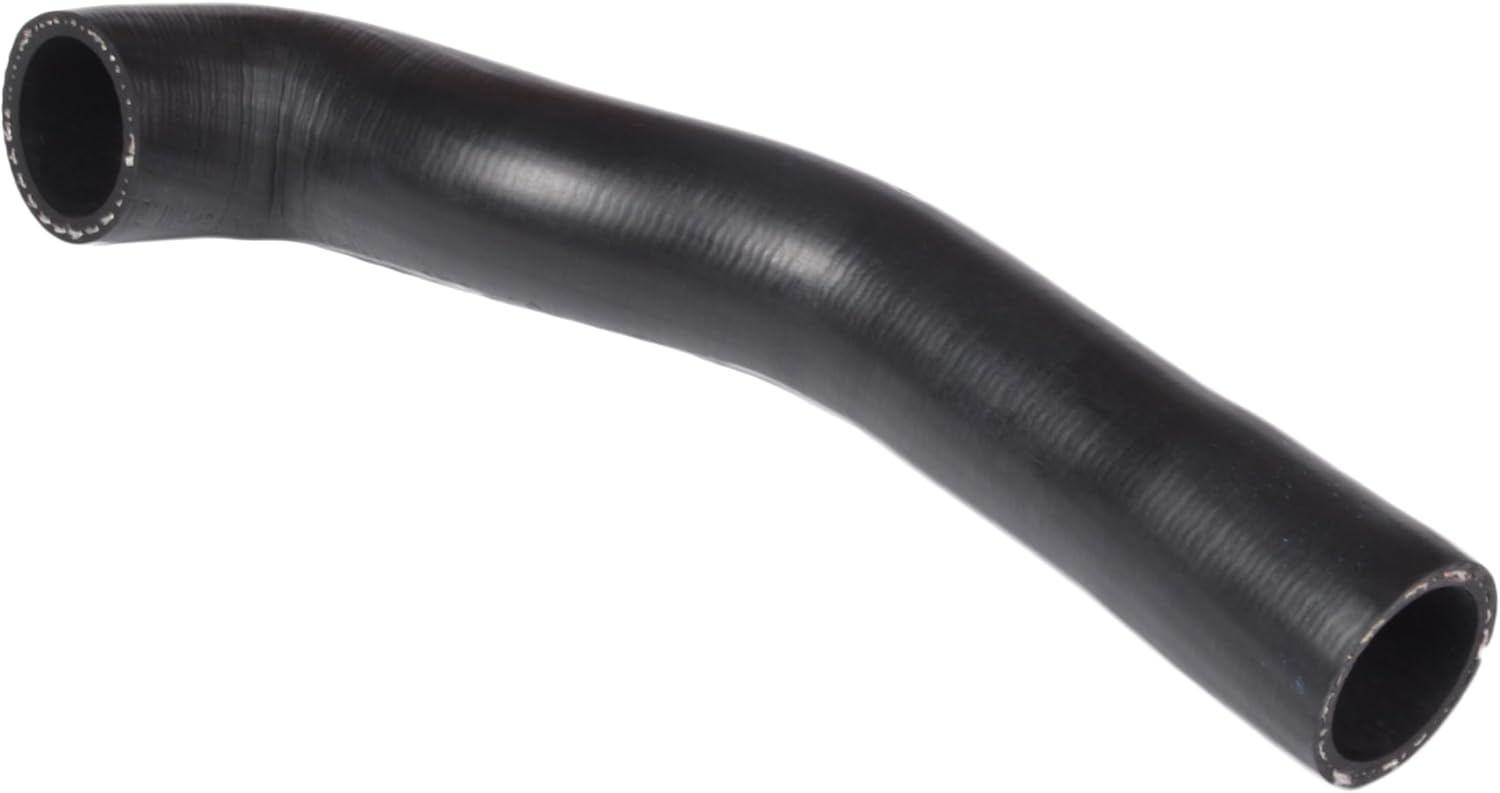
Figure 3: End view of the radiator hose, illustrating the internal diameter and material composition.
4. Atụmatụ ọrụ
Once installed, the radiator hose operates as an integral part of the vehicle's cooling system. No specific user operation is required beyond ensuring the cooling system is properly maintained.
Ọrụ nkịtị:
- The hose will convey coolant between the engine and radiator, maintaining optimal engine temperature.
- It is designed to withstand typical engine compartment temperatures and pressures.
5. Nlekọta
Regular inspection of your radiator hose is essential for preventing cooling system failures.
Inspection Schedule:
- Inspect the hose at every oil change or at least twice a year.
- Check for signs of wear, cracks, bulges, or leaks.
- Feel the hose for softness or hardness; a healthy hose should be firm but pliable.
- Hụ na ọkpọkọ ahụ dị mmaamps are secure and free from corrosion.
Nhicha:
- Keep the exterior of the hose clean from oil, grease, and other contaminants that can degrade the rubber.
Ndochi:
- Replace the hose immediately if any signs of damage or degradation are observed.
- Follow vehicle manufacturer recommendations for cooling system flush and hose replacement intervals.
6. Nchọpụta nsogbu
This section addresses common issues related to radiator hoses.
Okwu na azịza ndị nkịtị:
| Nsogbu | Ihe nwere ike ime | Ngwọta |
|---|---|---|
| Ngwunye oyi | Hapụ clamps, damaged hose, cracked radiator/engine connection. | Tighten or replace clamps. Inspect and replace hose if damaged. Check radiator/engine connections. |
| Hose Swelling/Bulging | Internal damage, excessive pressure, coolant contamination. | Replace hose immediately. Check cooling system for proper pressure and coolant quality. |
| Hose Hardening/Cracking | Age, heat exposure, chemical degradation. | Replace hose. This is a sign of normal wear and tear or Electrochemical Degradation (ECR). |
If you encounter issues not listed here or require further assistance, consult a professional automotive technician.
7. Nkọwapụta
| Njirimara | Nkọwa |
|---|---|
| Nọmba nlereanya | 62463 |
| Ụdị | Kọntinental |
| Ihe onwunwe | EPDM (Ethylene Propylene Diene Monomer) |
| Inner Diameter (ID) Range | 1 inch to 3 inches |
| Oke okpomọkụ | -40°F ruo 275°F (-40°C ruo 135°C) |
| nnabata | Meets or exceeds SAE 20R4EC Class D1 specifications |
| Nguzogide | Electrochemical Degradation (ECR) |
| Akụkụ ngwaahịa | Ihe dị ka sentimita 16.5 x 12 x 4 (nha ngwugwu) |
| Ibu Ibu | Ihe dị ka 10.4 ounces |
Mara: Nkọwapụta ga-agbanwe na-enweghị ọkwa.
8. Akwụkwọ ikike na nkwado
For information regarding product warranty, please refer to the official Continental website or contact their customer support directly. Continental products are designed for durability and function in real-world conditions.
Ozi mkpọtụrụ:
For technical assistance or warranty claims, please visit the Continental Store on Amazon or the official Continental websaịtị.
When contacting support, please have your product model number (62463) and purchase details available.


