
1. Introduction
The NOYAFA NF-826 is a portable device designed for precise localization of buried or in-wall cables and pipes, as well as fault points like open circuits or short circuits. It consists of a transmitter and a receiver, enabling efficient detection without causing damage to walls or ground. This manual provides detailed instructions for safe and effective use of the NF-826.

Figure 1: NOYAFA NF-826 Transmitter and Receiver units.
2. Safety Information
Always observe the following safety precautions to prevent injury or damage to the device:
- Do not use the device in explosive environments or near flammable gases.
- Ensure proper insulation when connecting to live circuits. Always wear appropriate personal protective equipment (PPE).
- Do not attempt to open or modify the device. Refer all servicing to qualified personnel.
- Keep the device dry and clean. Avoid exposure to extreme temperatures or humidity.
- Verify the voltage range before connecting the transmitter to any circuit. The device measures AC/DC voltages from 12V to 400V.
3. Package Contents
The NOYAFA NF-826 package includes the following items:
- 1 x NF-826 Transmitter
- 1 x NF-826 Receiver
- 1 x USB Charging Cable
- 1 x Test Lead Set (Red/Black)
- 1 x Alligator Clip Set (Red/Black)
- 1 x Ground Rod
- 1 x User Manual
- 1 x Carrying Bag

Figure 2: Included components of the NF-826 kit.
4. Product Overview
The NF-826 system comprises two main units: the Transmitter and the Receiver.
4.1. Transmitter (Emitter)
The transmitter generates a signal that is injected into the cable or pipe to be traced. It features an LCD display for self-test results and voltage measurements. Controls include power, signal level adjustment, and code setting.
4.2. Receiver
The receiver detects the signal emitted by the transmitter. It has an adjustable sensitivity, a scanning function, a silent mode, backlight, and an integrated LED flashlight. The display shows signal strength and other relevant information.
5. Setup
5.1. Charging the Device
Both the transmitter and receiver are equipped with built-in 1400mAh lithium batteries. Before first use, fully charge both units using the provided USB charging cable and a standard USB power adapter (not included).
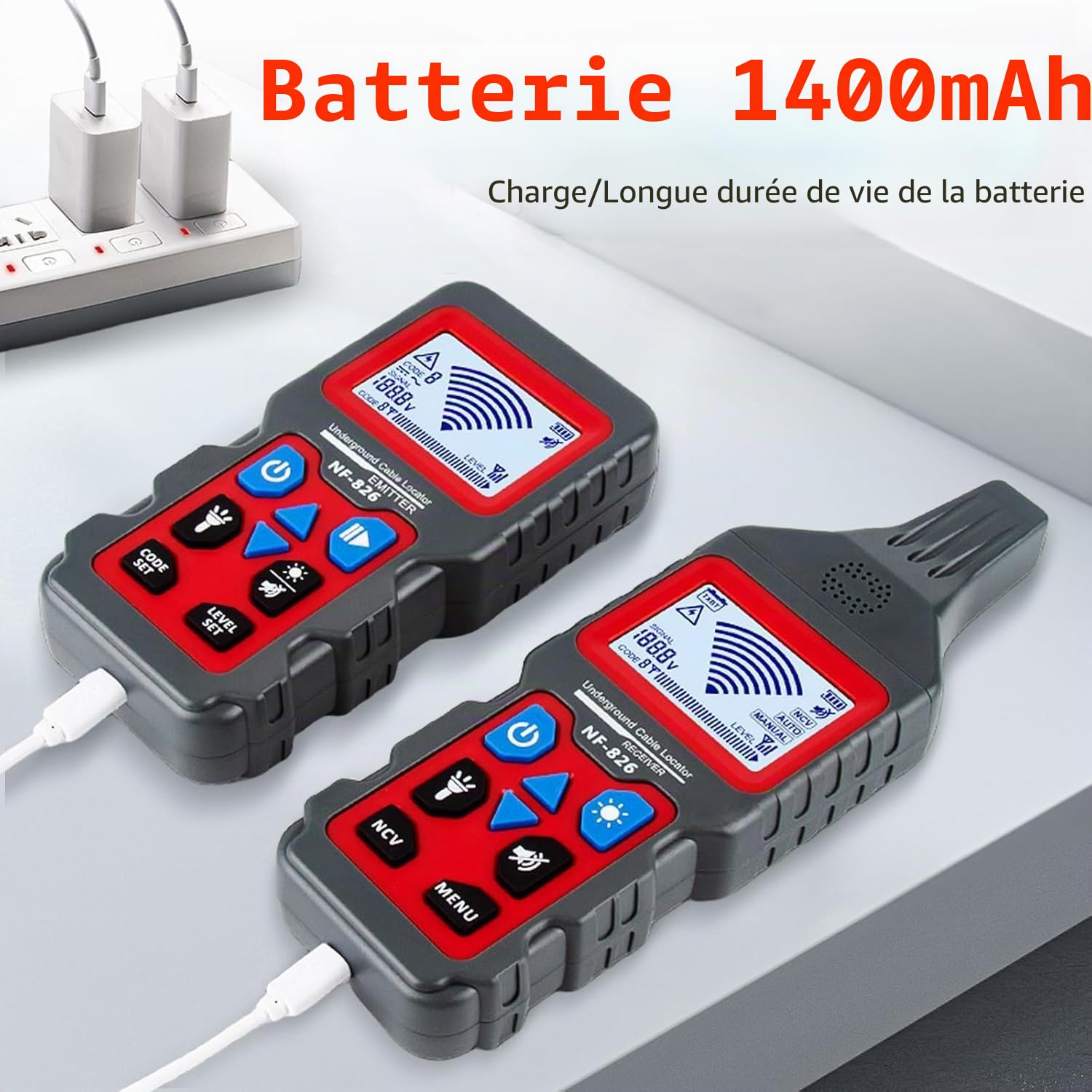
Figure 3: Charging the NF-826 Transmitter and Receiver.
5.2. Connecting the Transmitter
Connect the transmitter to the circuit or cable you wish to trace. Ensure a secure connection. For non-energized cables, connect one lead to the cable and the other to a good ground point using the ground rod. For energized cables, connect directly to the live wire, ensuring the voltage is within the device's operating range (12V-400V AC/DC).
5.3. Powering On
Press and hold the power button on both the transmitter and receiver to turn them on. The transmitter will perform an auto-test and display the results on its LCD screen.
6. Operating Instructions
6.1. General Tracing Principle
The transmitter injects a coded signal into the target cable. The receiver then detects this signal, indicating the presence and path of the cable. The signal strength displayed on the receiver helps pinpoint the exact location and depth.

Figure 4: Tracing a buried cable with the NF-826, illustrating its range.
6.2. Detecting Buried and In-Wall Cables/Pipes
- Connect the transmitter to the cable or pipe. For optimal results, ensure a good ground connection if tracing non-energized lines.
- Turn on both units.
- Walk along the suspected path of the cable with the receiver. The signal strength indicator on the receiver will increase as you get closer to the cable.
- Adjust the receiver's sensitivity (manual or automatic scanning mode) to refine the detection and pinpoint the exact location.

Figure 5: Detecting underground cables.

Figure 6: Detecting cables inside walls or underground.
6.3. Detecting Short Circuits and Breaks
For detecting breaks or short circuits, connect the transmitter to the affected line. The receiver will indicate a loss of signal or a change in signal pattern at the fault location. This is particularly useful for floor heating systems or other continuous circuits.

Figure 7: Detecting short circuits and breaks in electric floor heating lines.
6.4. NCV (Non-Contact Voltage) Function
The receiver includes an NCV function for non-contact detection of AC voltage. This allows for quick safety checks before working on electrical systems.

Figure 8: NCV non-contact test electric pen function.
6.5. AC/DC Voltage Measurement
The transmitter has an integrated voltmeter function to measure AC/DC voltages from 12V to 400V. Connect the test leads to the circuit to display the voltage on the transmitter's LCD.

Figure 9: Measuring AC/DC voltage with the NF-826 transmitter.
6.6. Adjustable Sensitivity and Other Features
- Sensitivity Adjustment: The receiver's sensitivity can be adjusted manually or automatically to optimize detection for different depths and environments.
- Silent Mode: Use silent mode for discreet operation.
- Backlight: The display backlight improves visibility in low-light conditions.
- Integrated LED Flashlight: Both the transmitter and receiver have an integrated LED flashlight for illuminating work areas.
- Automatic Shutdown: The device automatically shuts down after 10 minutes of inactivity to conserve battery life.

Figure 10: Flashlight feature for low-light conditions.
6.7. Important Note on Wire Types
The performance of the NF-826 can vary depending on the type of wire being traced:
- Single Strand Wire: The product works effectively.
- Double Strand Wire: The product will work, but you may need to try another line if a breakpoint is not found on one line.
- Multistrand Wire: The product may not work effectively.

Figure 11: Wire type compatibility for tracing.
7. Applications
The NOYAFA NF-826 is suitable for a wide range of professional and DIY applications, including:
- Locating electrical cables, buried wires, and water/gas pipes.
- Identifying open circuits or short circuits.
- Finding hidden sockets and junction boxes.
- Tracing electric floor heating systems.
- Installation and maintenance of low-voltage electrical systems.
- Communication lines, computer networks, and telephone systems.
- Tracing pet fence wires and garden irrigation lines.

Figure 12: Diverse applications of the NF-826.
8. Maintenance
- Cleaning: Wipe the device with a soft, dry cloth. Do not use abrasive cleaners or solvents.
- Battery Care: Recharge the batteries regularly, especially if the device will not be used for an extended period, to maintain battery health.
- Storage: Store the device in its carrying bag in a cool, dry place, away from direct sunlight and extreme temperatures.
9. Troubleshooting
| Problem | Possible Cause | Solution |
|---|---|---|
| No signal detected by receiver. | Transmitter not powered on, low battery, poor connection, signal too weak, cable too deep. | Ensure both units are on and charged. Check connections. Increase transmitter signal level. Adjust receiver sensitivity. |
| Inaccurate localization. | High interference from other metallic objects, incorrect sensitivity setting, multiple cables in close proximity. | Reduce receiver sensitivity for finer tuning. Try tracing from different points. Ensure no large metallic objects are interfering. |
| Device does not power on. | Low or depleted battery. | Charge the device fully using the USB cable. |
| Transmitter auto-test fails. | Internal fault or connection issue. | Ensure test leads are correctly connected. If issue persists, contact support. |
10. Specifications
| Feature | Detail |
|---|---|
| Brand | NOYAFA |
| Model | NF-826 |
| Power Source | Battery powered (Built-in 1400mAh Lithium Battery) |
| Style | Digital |
| Color | Black |
| Dimensions (L x W x H) | 45 x 33 x 120 millimeters |
| Min Operating Voltage | 12 Volts |
| Max Operating Voltage | 400 Volts |
| Measurement Type | Voltmeter (AC/DC) |
| Compliant Specifications | CE, CSA, EMC, EN 61010-1, ETL, IEC 1010, IEC 61010-1:2000-1, IP 67, ISO 9001, NIST, REACH, RoHS, TIA, UL |
| Components Included | Receiver, Transmitter, and accessories |
11. Warranty and Support
For warranty information and technical support, please refer to the official NOYAFA website or contact your local distributor. Keep your purchase receipt as proof of purchase for warranty claims.


