
1. Introduction
The FrSky Opto RPM ADV Sensor is an advanced telemetry sensor designed to provide real-time rotational speed feedback for RC aircraft. It supports both FBUS and S.Port protocols, offering seamless integration with compatible FrSky receivers. This sensor is engineered with optical isolation technology to protect your sensitive flight electronics from high-voltage interference, making it suitable for both gas engines and brushless electric motors.

Figure 1: FrSky Opto RPM ADV Sensor, front view with connection cable.
2. Key Features
- Advanced Opto-Isolated Technology: Features high-speed optical coupling for complete physical isolation between the power system and receiver, preventing high-voltage interference.
- Versatile RPM Monitoring: Accurately measures real-time RPM for both gas engines and brushless electric motors.
- Dual Protocol Support: Fully supports FBUS protocol and is S.Port compatible for flexible integration.
- Compact and Lightweight Design: Measures 44×18×7mm and weighs only 3.8g, allowing for easy installation in confined spaces.
- Smart Telemetry & Safety Alerts: Enables setting custom RPM thresholds on FrSky radios for haptic or voice alerts, enhancing flight safety.
- PWM Mode Capability: Can be switched to PWM mode to pass rotation data to devices supporting RPM calculation.
3. Package Contents
Please check the package contents carefully. If any items are missing or damaged, contact your retailer or FrSky support.
- FrSky Opto RPM ADV Sensor
- Connection Cable (pre-attached)
- Instruction Card (with QR codes for manual access)

Figure 2: The Opto RPM ADV Sensor as packaged for retail.
4. Specifications
| Parameter | Value |
|---|---|
| Model Name | Opto RPM ADV |
| Dimensions | 44mm × 18mm × 7mm |
| Weight | 3.8g |
| Operating Voltage | 3.5-10V (Typically supplied by receiver) |
| Current Consumption | 30mA @ 5V |
| RPM Range | 1,000 - 60,000 RPM (for 2-pole motor) |
| Compatibility | FrSky receivers with S.Port/FBUS, devices supporting RPM calculation via PWM |
Note: The product dimensions listed in the Amazon specifications (2 x 2 x 3 inches) appear to be shipping dimensions, not the actual sensor dimensions. The feature bullet point provides the accurate sensor dimensions.
5. Installation
5.1 Physical Mounting
The Opto RPM ADV sensor is designed to be compact and lightweight, facilitating installation in tight spaces such as engine cowlings or battery bays. Secure the sensor using appropriate mounting tape or screws through its integrated mounting tabs. Ensure it is positioned to accurately detect the rotational speed of the motor or propeller.
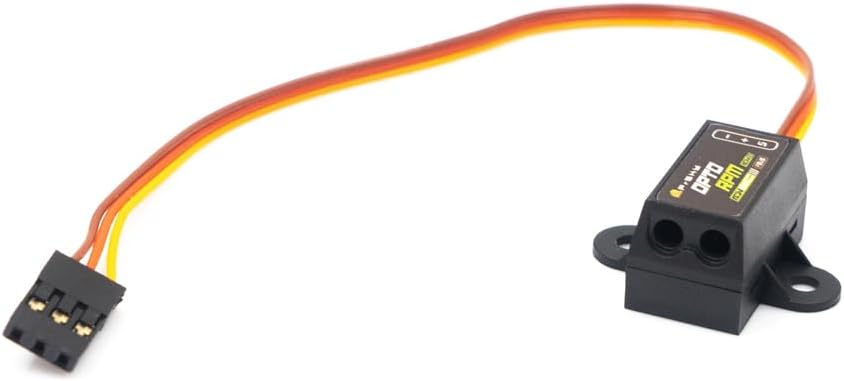
Figure 3: Rear view of the sensor, highlighting the mounting tabs.
5.2 Electrical Connection
- To FrSky S.Port/FBUS Receiver: Connect the sensor's 3-pin cable directly to the S.Port or FBUS port on your compatible FrSky receiver (e.g., Archer Plus or Tandem series receivers). The sensor will draw power from the receiver.
- For Gas Engines: Connect the sensor's signal wire to the ignition system's RPM output or a suitable pickup point. Refer to your engine's manual for specific connection points.
- For Brushless Electric Motors: The sensor typically connects to one of the motor phase wires or a dedicated RPM output from the ESC, depending on the setup. Ensure the connection provides a clean signal for accurate RPM detection.
- PWM Mode (Optional): If using the sensor in PWM mode, connect the output to a device port that supports RPM calculation. This mode allows the sensor to pass rotation data to external devices.

Figure 4: The sensor alongside its instruction card, which includes QR codes for accessing the digital manual.
6. Operation
6.1 Telemetry Data
Once connected to a compatible FrSky receiver, the Opto RPM ADV sensor will transmit real-time RPM data via the S.Port or FBUS protocol. This data can be viewed on your FrSky radio's telemetry screen.
6.2 Setting Up Alerts
You can configure custom RPM thresholds on your FrSky radio (e.g., X14RS, X18). If the engine RPM exceeds or falls below these set values, the radio can provide haptic (vibration) or voice alerts. This feature is crucial for monitoring engine health, optimizing performance, and ensuring flight safety.
6.3 Calibration (if applicable)
Depending on your motor type and setup, you may need to calibrate the RPM sensor or set the number of poles in your radio's telemetry settings to ensure accurate readings. Refer to your FrSky radio's manual for detailed instructions on telemetry sensor setup and calibration.
7. Maintenance
- Keep the sensor clean and free from dust, dirt, and moisture.
- Regularly inspect the connection cable for any signs of wear or damage.
- Ensure the sensor is securely mounted to prevent vibrations from affecting its performance or causing damage.
- Avoid exposing the sensor to extreme temperatures or direct sunlight for prolonged periods.
8. Troubleshooting
- No RPM Data:
- Check all connections to the receiver and motor/ignition system.
- Ensure the receiver is compatible with S.Port/FBUS telemetry.
- Verify the sensor is correctly detected and enabled in your radio's telemetry settings.
- Confirm the motor/ignition system is providing a detectable RPM signal.
- Inaccurate RPM Readings:
- Check the sensor's physical placement relative to the rotating part.
- Ensure the number of motor poles is correctly set in your radio's telemetry configuration.
- Inspect for any interference sources near the sensor or its wiring.
- Intermittent Data:
- Check for loose connections or damaged wiring.
- Ensure the sensor is not experiencing excessive vibration.
- Verify the power supply to the sensor is stable.
9. Warranty and Support
FrSky products are designed and manufactured to high standards. For warranty information, please refer to the official FrSky website or contact your local distributor. For technical support, firmware updates, or further assistance, please visit the official FrSky support page or contact their customer service department.
Official FrSky Website: www.frsky-rc.com
Manufacturer: FrSky Electronic Co., Ltd.
Regulatory Compliance: This product complies with RoHS and CE standards, as indicated on the product packaging and instruction card.