
1. Important Safety Information
Please read this entire manual carefully before operating your Garvee Portable Air Conditioner. Keep this manual for future reference. Failure to follow these instructions may result in property damage, personal injury, or death.
- Always connect the unit to a properly grounded electrical outlet.
- Do not operate the unit with a damaged power cord or plug.
- Do not block air inlets or outlets. Ensure adequate clearance around the unit for proper airflow.
- Do not insert objects into the air vents.
- Always turn off and unplug the unit before cleaning or performing any maintenance.
- This appliance is not intended for use by persons (including children) with reduced physical, sensory or mental capabilities, or lack of experience and knowledge, unless they have been given supervision or instruction concerning use of the appliance by a person responsible for their safety.
- Ensure the unit is placed on a flat, stable surface.
2. Product Overview
The Garvee 12000 BTU Portable Air Conditioner is a versatile 3-in-1 unit designed for cooling, dehumidification, and fan-only operation. It features a digital display, remote control, and a 24-hour timer for enhanced user convenience.

Figure 2.1: Garvee Portable Air Conditioner and its accessories, including the remote control, exhaust hose, window kit components, and adapters.
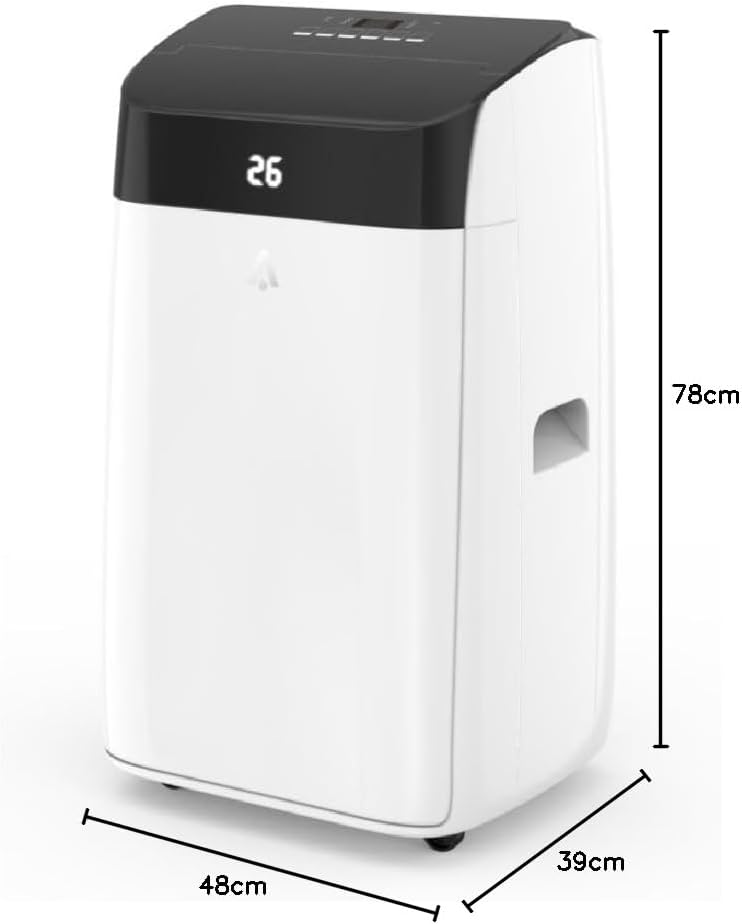
Figure 2.2: Product dimensions: 48cm (Depth) x 39cm (Width) x 78cm (Height).
3. Setup Instructions
3.1 Unpacking
- Carefully remove the air conditioner and all accessories from the packaging.
- Check for any damage during transit. If damage is found, do not operate the unit and contact customer support.
- Keep the packaging materials for future storage or transport.
3.2 Exhaust Hose and Window Kit Installation
Proper installation of the exhaust hose and window kit is crucial for efficient cooling. The unit must vent hot air outside.

Figure 3.1: Step-by-step guide for exhaust hose and window kit installation.
- Attach Hose Connector: Fix the hose connector to one end of the exhaust hose.
- Connect Window Kit Adapter: Connect the window kit adapter to the other end of the exhaust hose.
- Adjust Window Kit: Extend the adjustable window kit to fit your window opening.
- Connect Hose to Unit: Connect the hose fitting to the air outlet opening on the air conditioner.
- Extend Hose and Insert: Extend the exhaust hose and insert it into the window kit. Ensure a tight seal to prevent hot air from re-entering the room.
- Power On: Plug in the appliance, turn on the switch, set the mode, and enjoy.
3.3 Placement
Place the air conditioner on a level surface in the room you wish to cool. Ensure there is at least 20-30 cm (8-12 inches) of space around the unit for proper air circulation. The unit is suitable for rooms between 42 to 51 square meters (450-550 sq ft).

Figure 3.2: Illustration of effective cooling area coverage.

Figure 3.3: Examples of suitable room placements for the portable air conditioner.
4. Operating Instructions
Your Garvee Portable Air Conditioner offers three primary operating modes: Cooling, Dehumidification, and Fan. It can be controlled via the intuitive LED display panel or the included remote control.

Figure 4.1: Control panel and remote control for the unit.
4.1 Power On/Off
- Press the Power button on the control panel or remote control to turn the unit on or off.
4.2 Mode Selection
Press the Mode button to cycle through the available modes:
- Cooling Mode: For active cooling, adjustable temperature range from 18°C to 32°C (64°F to 90°F).
- Dehumidification Mode (DRY): Removes excess moisture from the air, up to 30 liters per day.
- Fan Mode: Circulates air without cooling, with 2 fan speeds available.

Figure 4.2: The three versatile functions of the air conditioner.
4.3 Temperature and Fan Speed Adjustment
- Use the Up/Down arrows on the control panel or remote to set the desired temperature in Cooling Mode.
- Press the Fan Speed button to select between low and high fan speeds.
4.4 Timer Function
The 24-hour timer allows you to program the unit to turn on or off automatically.
- Press the Timer button.
- Use the Up/Down arrows to set the desired delay in hours (1-24 hours).
- The unit will turn on/off after the set time.
4.5 Sleep Mode / Silent Operation
Activate Sleep Mode for quiet operation, ideal for nighttime use. The unit operates at a low noise level of ≤ 51 dB.

Figure 4.3: Silent operation for comfortable sleep.
- Press the Sleep button on the remote control.
- In Sleep Mode, the fan speed will automatically adjust to the lowest setting, and the temperature may gradually increase to conserve energy and maintain comfort.
4.6 Oscillation
The unit features automatic vertical (90°) and horizontal (60°) oscillation for optimal air distribution.
- Press the Swing button to activate or deactivate the oscillation function.
4.7 Remote Control Usage
The remote control allows convenient operation from a distance of up to 6 meters.

Figure 4.4: Remote control range of 6 meters.
5. Maintenance
Regular maintenance ensures optimal performance and extends the lifespan of your air conditioner.
5.1 Filter Cleaning
The air filter should be cleaned every two weeks or more frequently depending on usage and air quality.
- Turn off and unplug the unit.
- Locate and remove the air filter(s) from the back or side of the unit.
- Wash the filter with warm, soapy water. Rinse thoroughly.
- Allow the filter to air dry completely before reinserting it into the unit. Do not expose to direct sunlight.
5.2 Water Drainage
During dehumidification or in very humid conditions, water will collect inside the unit. The unit has an internal water tank that may need to be drained manually if it becomes full. Some models may have continuous drainage options.
- Turn off and unplug the unit.
- Place a shallow pan or tray under the drainage port, usually located at the bottom rear of the unit.
- Remove the drain plug/cap.
- Allow all water to drain out.
- Replace the drain plug/cap securely.
5.3 General Cleaning
- Wipe the exterior of the unit with a soft, damp cloth. Do not use harsh chemicals or abrasive cleaners.
- Ensure the unit is completely dry before plugging it back in.
5.4 Storage
When storing the unit for an extended period:
- Drain all water from the unit.
- Clean the air filter.
- Run the unit in fan-only mode for a few hours to dry the internal components.
- Unplug the power cord and coil it neatly.
- Store the unit in a dry, cool place, preferably in its original packaging.
6. Troubleshooting
Before contacting customer service, please refer to the following troubleshooting guide for common issues.
| Problem | Possible Cause | Solution |
|---|---|---|
| Unit does not turn on | No power; Power cord not plugged in; Circuit breaker tripped; Full water tank. | Check power outlet; Plug in power cord securely; Reset circuit breaker; Drain water tank. |
| Unit is not cooling effectively | Window kit not properly installed; Room size too large; Air filter dirty; Air inlet/outlet blocked; Doors/windows open. | Ensure window kit is sealed; Check room size against specifications; Clean air filter; Clear obstructions; Close all doors and windows. |
| Unit is noisy | Unit not on a level surface; Air filter dirty; Internal components vibrating. | Place unit on a flat, stable surface; Clean air filter; If noise persists, contact support. (Note: Normal operating noise is ≤ 51 dB) |
| Water leakage | Drain plug loose or missing; Unit tilted; Continuous drainage hose blocked. | Secure drain plug; Ensure unit is level; Check continuous drainage hose for kinks or blockages. |
7. Specifications
Detailed technical specifications for the Garvee 12000 BTU Portable Air Conditioner.
| Feature | Specification |
|---|---|
| Brand | Garvee |
| Model Number | VyZoQhLLbNDKKCFrwM83Og7zk1Z |
| Cooling Capacity | 12000 BTU |
| Power Supply | 220-240 V / 50 Hz |
| Airflow Volume | 320 m³/h (390 m³/h mentioned in A+ content) |
| Dehumidification Capacity | 30 Liters/day (80 Pints/Day mentioned in A+ content) |
| Noise Level | ≤ 51 dB |
| Recommended Room Area | 42-51 m² (450-550 sq ft) |
| Dimensions (D x W x H) | 48 cm x 39 cm x 78 cm |
| Weight | 31.1 kg (31100 Grams) |
| Control Method | Push Button, Remote Control |
| Included Components | Filters, Exhaust Hose, Window Kit |
| Energy Efficiency Class | A |
8. Warranty Information
This Garvee Portable Air Conditioner comes with a 30-day manufacturer's warranty. Please retain your proof of purchase for warranty claims. The warranty covers defects in materials and workmanship under normal use.
The warranty does not cover:
- Damage caused by improper installation or operation.
- Damage caused by accidents, misuse, abuse, or unauthorized repairs.
- Normal wear and tear.
9. Customer Support
If you have any questions, require technical assistance, or need to make a warranty claim, please contact Garvee customer service. Refer to your purchase documentation or the Garvee brand website for specific contact details.
For more information, you may visit the Garvee Brand Store.