
Albott JSJ112
Contents
Albott 8000 LBS Portable Car Lift (Model JSJ112) User Manual
Your guide to safe and effective operation.
1. Safety Information
Read and understand all safety warnings and instructions before operating this car lift. Failure to follow these instructions may result in serious injury or property damage.
- Operating Surface: Always operate the lift on a flat, solid, and level surface. Slopes exceeding 4° are unsafe and must be avoided.
- Weight Capacity: Do not exceed the maximum load capacity of 8000 lbs (3629 kg). Overloading can cause lift failure and severe injury.
- Vehicle Stability: Ensure the vehicle is properly centered and stable on the lifting pads/columns before raising. Use wheel chocks if necessary.
- Clearance: Maintain a safe distance from the lift and vehicle during operation. Keep bystanders, especially children, away from the work area.
- Safety Locks: Always engage the mechanical safety locks once the desired height is reached. Never work under a vehicle supported only by hydraulic pressure.
- Personal Protective Equipment (PPE): Wear appropriate safety gear, including safety glasses and gloves.
- Hydraulic Oil: Use only recommended hydraulic oil (No. 46). Check oil levels regularly.
- Inspection: Before each use, inspect the lift for any signs of damage, wear, or leaks. Do not use if damaged.
- Electrical Safety: Ensure power connections are secure and free from damage. Do not operate in wet conditions.
2. Parts List
Verify that all components are present and undamaged before beginning assembly or operation.

Image 2.1: Overview of included components for the Albott 8000 LBS Portable Car Lift.
This image displays all the parts included with the car lift, laid out clearly. It shows two extension plates, four lifting columns, four rubber pads, two hydraulic tubes, two safety locking pins, and one 750W motor unit.
| Component | Quantity |
|---|---|
| Extension Plate | 2 |
| Lifting Column | 4 |
| Rubber Pad | 4 |
| 750W Motor | 1 |
| Safety Locking Pin | 2 |
| Hydraulic Tube | 2 |
Note: The product ships in 3 boxes, which may arrive separately.
3. Setup Instructions
Proper setup is crucial for safe and effective operation of your Albott portable car lift.
- Unpacking: Carefully unpack all components and verify against the parts list. Retain packaging for future storage or transport.
- Site Preparation: Choose a flat, solid, and level concrete surface for operation. Ensure there is adequate overhead clearance for the vehicle when lifted.
- Positioning the Lift: Place the two lift units parallel to each other, ensuring they are correctly spaced to accommodate the vehicle's jacking points.
- Attaching Extension Plates (Optional): If your vehicle requires a longer lifting platform, attach the extension plates to the ends of the lift units using the provided hardware.
- Connecting Hydraulic Hoses: Connect the hydraulic hoses from the motor unit to each lift unit. Ensure connections are tight and free from leaks.
- Adding Hydraulic Oil: Fill the hydraulic reservoir on the motor unit with No. 46 hydraulic oil. Do not overfill. Refer to the reservoir's markings for appropriate levels.
- Power Connection: Connect the motor unit to a suitable AC 110V / 60 Hz power outlet. Ensure the power supply is stable.
- Initial Test Run: Before lifting a vehicle, perform a test run by raising and lowering the lift without a load to ensure smooth operation and check for any issues.
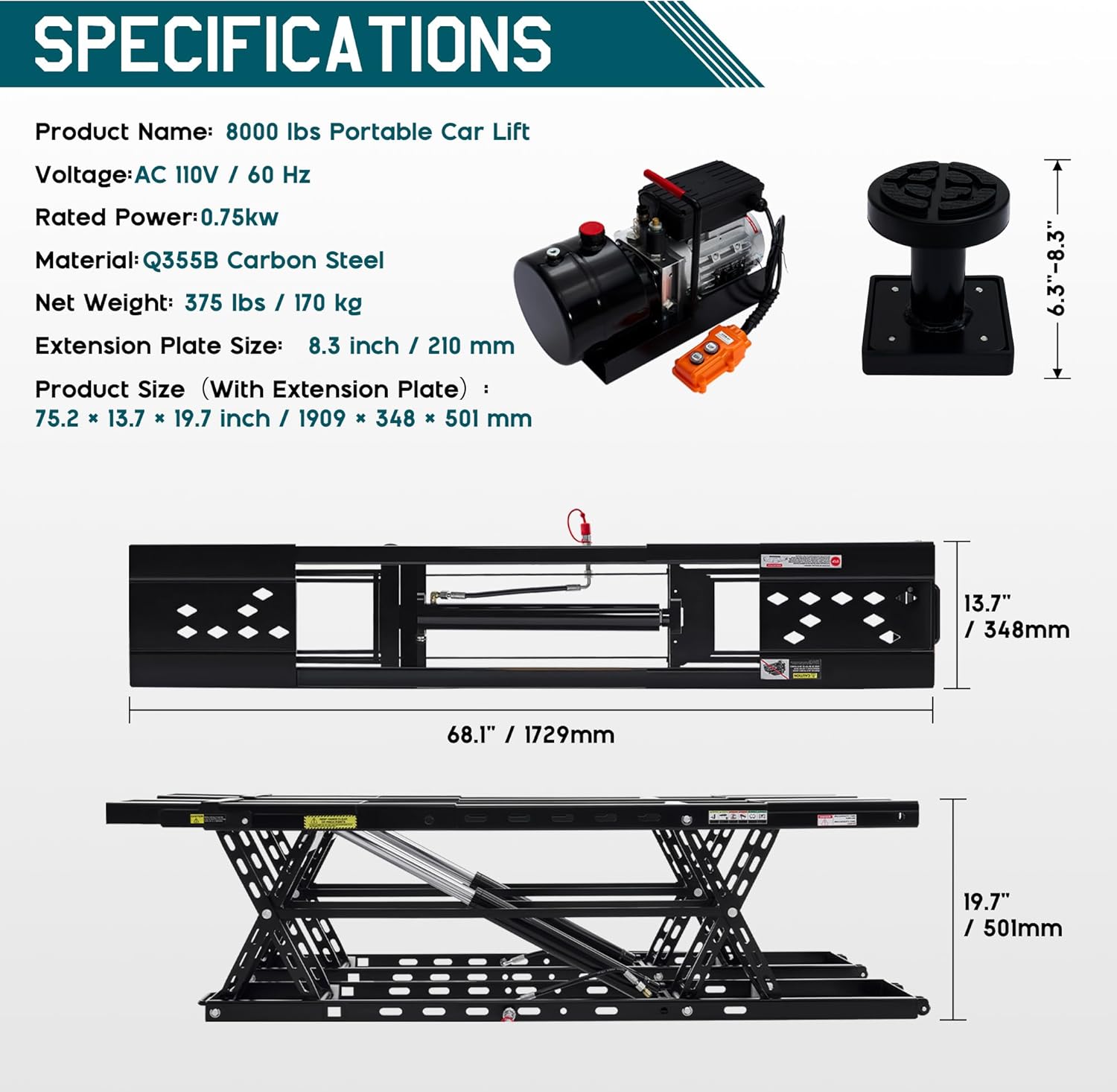
Image 3.1: The Albott portable car lift set up and ready for vehicle positioning.
This image shows the two lift units positioned on a garage floor, with the hydraulic lines connected to the motor unit. The lifting columns are in their lowest position, ready for a vehicle to be driven over or positioned onto them.
4. Operating Instructions
Follow these steps carefully for safe lifting and lowering of vehicles.
4.1. Lifting a Vehicle
- Position Vehicle: Carefully drive or push the vehicle onto the lift platforms, ensuring the vehicle's jacking points align with the lift's rubber pads or lifting columns. Center the vehicle for even weight distribution.
- Adjust Lifting Columns/Pads: Adjust the height of the four lifting columns or place the rubber pads as needed to securely contact the vehicle's frame or designated lifting points.
- Clear Area: Ensure the area around and under the lift is clear of obstructions and personnel.
- Initiate Lift: Using the remote control, press and hold the "UP" button to slowly raise the vehicle. Observe the vehicle as it rises to ensure stability and proper contact.
- Engage Safety Locks: Once the desired working height is reached, release the "UP" button. The lift features built-in mechanical safety locks. Ensure these locks engage securely. For additional safety, insert the dual safety locking pins. Never work under a vehicle without the safety locks engaged.
- Verify Stability: Gently shake the vehicle to confirm it is stable and securely supported by the engaged safety locks.
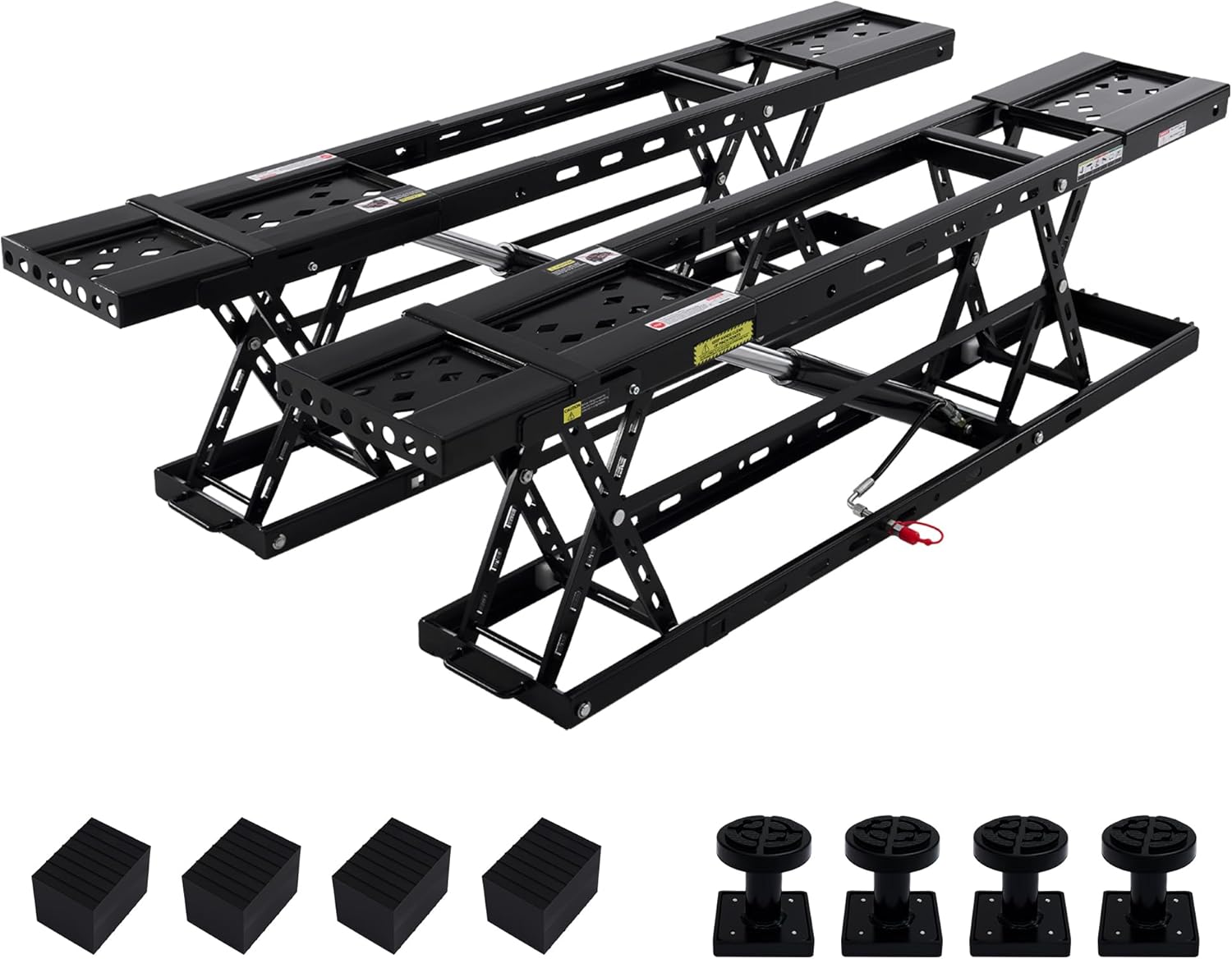
Image 4.1: A truck securely lifted using the Albott portable car lift, demonstrating proper vehicle positioning.
This image shows a black pickup truck elevated on the Albott car lift. A person is kneeling beside the lift, operating the remote control, indicating the lift is in active use. The vehicle appears stable and well-supported.
4.2. Lowering a Vehicle
- Clear Area: Ensure the area under and around the vehicle is clear of tools, debris, and personnel.
- Disengage Safety Pins: Remove the dual safety locking pins.
- Slightly Raise (if necessary): Briefly press the "UP" button to slightly raise the vehicle, releasing pressure from the mechanical safety locks.
- Disengage Mechanical Locks: Follow the specific instructions for your lift model to disengage the mechanical safety locks. This usually involves pulling a lever or pin.
- Lower Vehicle: Press and hold the "DOWN" button on the remote control to slowly lower the vehicle. Monitor the lowering process to ensure it is smooth and controlled.
- Remove Vehicle: Once the lift is fully lowered, carefully drive or push the vehicle off the platforms.
5. Maintenance
Regular maintenance ensures the longevity and safe operation of your car lift.
- Hydraulic Oil Level: Check the hydraulic oil level in the reservoir monthly. Top up with No. 46 hydraulic oil if necessary. Replace oil annually or as recommended by usage.
- Hose and Fitting Inspection: Periodically inspect all hydraulic hoses and fittings for leaks, cracks, or damage. Replace any damaged components immediately.
- Structural Inspection: Inspect the steel structure, welds, and moving parts for any signs of wear, corrosion, or damage. Pay close attention to the scissor mechanisms and locking components.
- Lubrication: Lubricate pivot points and moving parts with appropriate grease every 3-6 months, or more frequently with heavy use.
- Electrical Connections: Check electrical cables and connections for fraying or damage. Ensure all connections are secure.
- Cleaning: Keep the lift clean and free of dirt, grease, and debris. This helps prevent wear and allows for easier inspection.
6. Troubleshooting
Refer to this section for common issues and their solutions.
| Problem | Possible Cause | Solution |
|---|---|---|
| Lift does not raise | No power; Low hydraulic oil; Motor issue; Air in system | Check power connection/outlet; Fill hydraulic oil; Consult support; Bleed air from system (refer to service manual) |
| Lift raises slowly or unevenly | Low hydraulic oil; Air in system; Obstruction; Uneven load | Fill hydraulic oil; Bleed air from system; Check for obstructions; Reposition vehicle for even load |
| Lift drifts down after raising | Hydraulic leak; Faulty check valve | Inspect hoses/fittings for leaks and tighten/replace; Contact support for valve inspection/replacement |
| Lift makes unusual noises | Low hydraulic oil; Loose components; Motor issue | Fill hydraulic oil; Inspect and tighten all fasteners; Contact support for motor inspection |
7. Specifications
Detailed technical specifications for the Albott 8000 LBS Portable Car Lift.
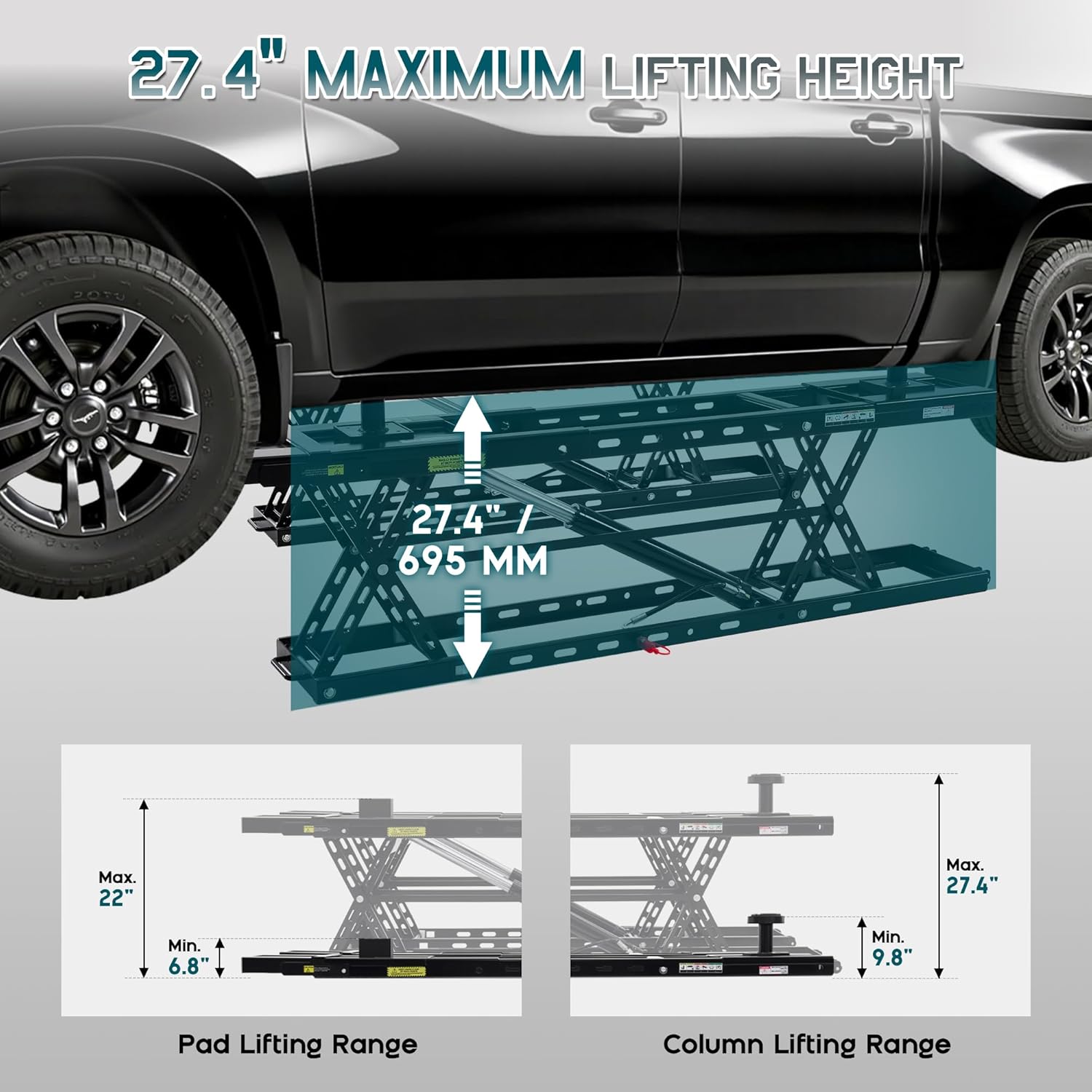
Image 7.1: Visual representation of the Albott car lift's dimensions and key specifications.
This image provides a detailed diagram showing the dimensions of the car lift, including its length (68.1 inches), width (13.7 inches), and minimum height (19.7 inches). It also highlights the hydraulic power unit and lifting column details, along with a table of key specifications like product name, voltage, rated power, material, net weight, and extension plate size.
| Feature | Detail |
|---|---|
| Product Name | 8000 lbs Portable Car Lift |
| Model Number | JSJ112 |
| Load Capacity | 8000 lbs (3629 kg) |
| Material | Q355B Carbon Steel |
| Voltage | AC 110V / 60 Hz |
| Rated Power | 0.75 kW (750W Motor) |
| Adjustable Height Range | 19.7"–27.4" (whole-body adjustment) |
| Total Lift Height (with rubber pads) | Up to 22" |
| Cycle Time (Lift/Lower) | 25–30 seconds |
| Net Weight | 375 lbs (170 kg) |
| Extension Plate Size | 8.3 inches (210 mm) |
| Product Size (with Extension Plate) | 75.2" × 13.7" × 19.7" (1909 × 348 × 501 mm) |
| Item Dimensions (without extension) | 68.1 x 13.7 x 19.7 inches |
| Hydraulic Oil Type | No. 46 |
8. Customer Support & Warranty
For technical assistance, parts replacement, or warranty inquiries, please contact Albott customer support.
Albott Customer Support:
- Visit the Albott Store on Amazon for contact information.
- Refer to your purchase documentation for specific warranty terms and conditions.
Please have your model number (JSJ112) and purchase date available when contacting support.
Documents and downloads
Ask a question about this manual
Ask about setup, troubleshooting, compatibility, parts, safety, or missing instructions. Manuals+ will review the question and use this page’s manual context to help answer it.