
1. Introduction
Thank you for choosing the EVERCROSS EM3 Mountain Bike. This manual provides essential information for the safe assembly, operation, and maintenance of your new 26-inch, 21-speed mountain bike. Please read this manual thoroughly before your first ride and keep it for future reference. Proper assembly and regular maintenance are crucial for your safety and the longevity of the bicycle.
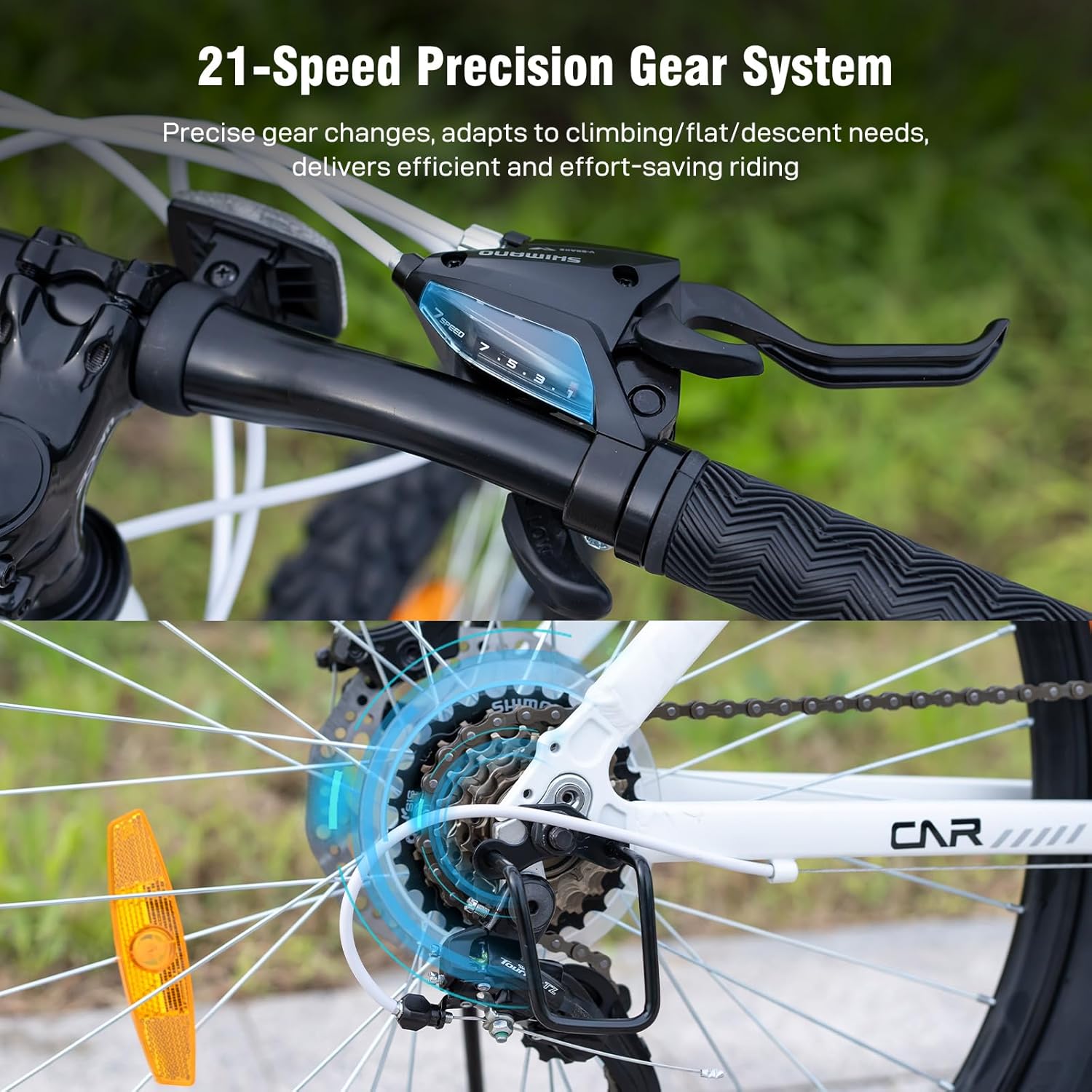
Figure 1.1: EVERCROSS EM3 Mountain Bike Overview
2. Safety Information
Your safety is paramount. Always follow these guidelines:
- Always wear a helmet that meets safety standards.
- Ensure all bolts and quick releases are securely tightened before each ride.
- Check tire pressure, brakes, and steering functionality before every use.
- Ride defensively and be aware of your surroundings, traffic, and pedestrians.
- Obey all local traffic laws and regulations.
- Avoid riding in adverse weather conditions or low visibility without proper lighting.
- Do not exceed the maximum load capacity of 150 kg (330 lbs).
- Familiarize yourself with the brake system and practice braking in a safe area.
3. What's in the Box
Upon unpacking, verify that all components are present:
- EVERCROSS EM3 Mountain Bike (partially assembled)
- Front Wheel
- Handlebar
- Seat Post and Saddle
- Pedals
- Reflectors
- Assembly Tools
- 1* Product Manual
4. Setup and Assembly
The EVERCROSS EM3 Mountain Bike comes partially assembled. Follow these steps to complete the assembly:
- Unpacking: Carefully remove the bicycle and all components from the packaging. Retain packaging for potential future transport or returns.
- Handlebar Installation: Attach the handlebar to the stem. Ensure it is centered and the brake levers and shifters are in a comfortable position. Tighten the stem bolts securely.
- Front Wheel Installation: Insert the front wheel into the fork dropouts. Ensure the disc brake rotor is correctly aligned with the caliper. Secure the wheel using the quick-release skewer or axle nuts.
- Seat Post and Saddle: Insert the seat post into the frame's seat tube. Adjust the saddle height to allow for a slight bend in your knee when the pedal is at its lowest point. Secure with the quick-release lever or seat post clamp bolt.
- Pedal Installation: Identify the left (L) and right (R) pedals. The left pedal has a left-hand thread (turn counter-clockwise to tighten), and the right pedal has a right-hand thread (turn clockwise to tighten). Apply a small amount of grease to the pedal threads before installation. Tighten firmly with a wrench.
- Brake Adjustment: Ensure both front and rear disc brakes are properly aligned and functioning. The brake levers should engage smoothly and provide firm stopping power without excessive travel. Adjust cable tension if necessary.
- Gear Adjustment: Check the 21-speed gear system for smooth and precise shifting. Adjust the front and rear derailleurs if gears are skipping or not engaging correctly.
- Final Check: Double-check all bolts, nuts, and quick releases for tightness. Ensure tires are inflated to the recommended pressure (found on the tire sidewall).
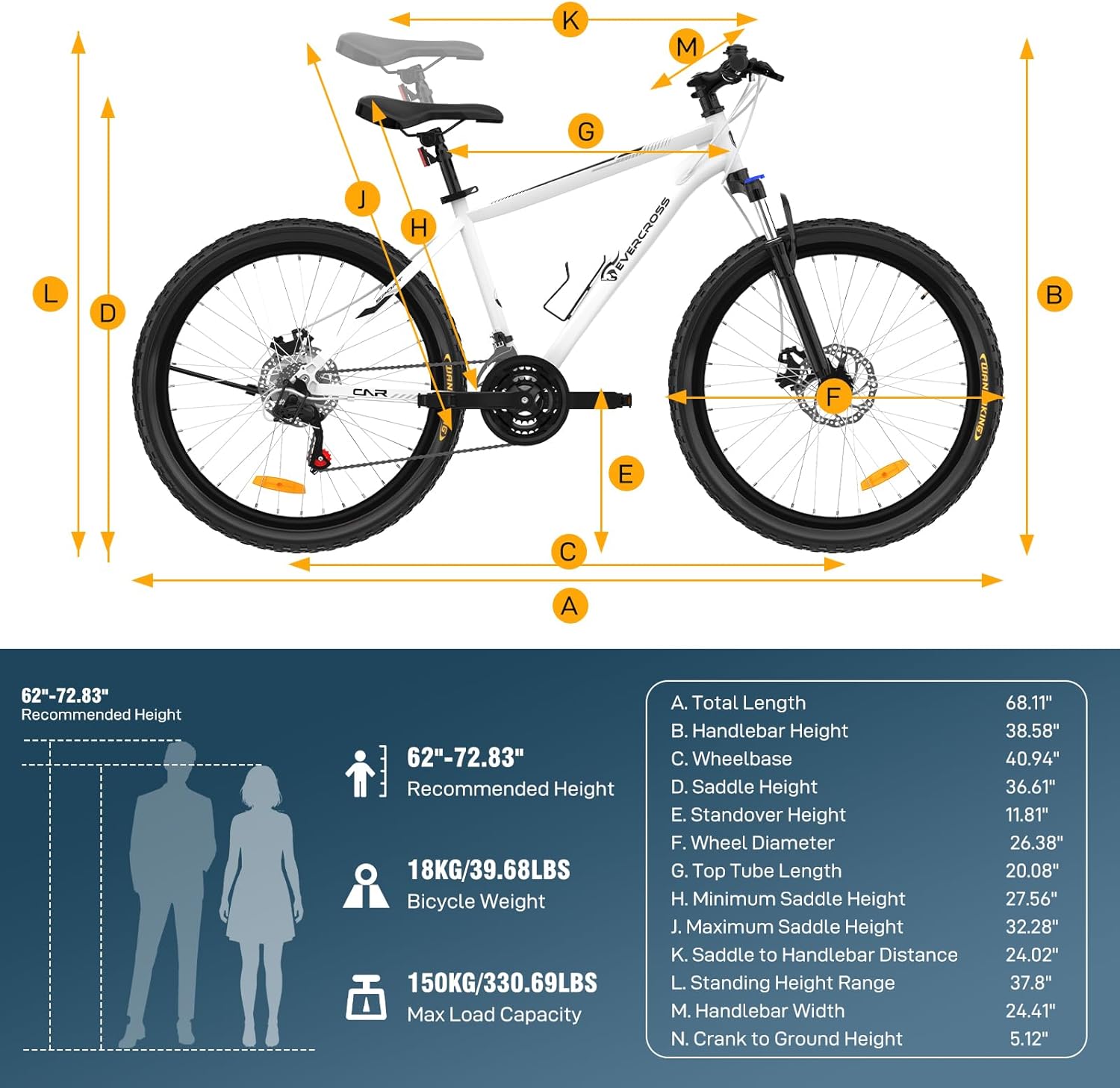
Figure 4.1: Key Components of the EM3 Mountain Bike
5. Operating Instructions
5.1. 21-Speed Gear System
The EVERCROSS EM3 features a 21-speed transmission system, offering a wide range of gears for various terrains. The left shifter controls the front derailleur (3 speeds), and the right shifter controls the rear derailleur (7 speeds).
- Shifting Up (Higher Gear): Use higher gears for faster speeds on flat or downhill terrain.
- Shifting Down (Lower Gear): Use lower gears for easier pedaling on uphill climbs or when starting from a stop.
- Always pedal lightly when shifting gears to ensure smooth transitions and prevent damage to the drivetrain.

Figure 5.1: 21-Speed Precision Gear System
5.2. Disc Brakes
The bicycle is equipped with disc brakes for consistent and reliable stopping power in both dry and wet conditions.
- The right brake lever controls the rear brake, and the left brake lever controls the front brake.
- Apply both brakes simultaneously for effective and controlled stopping. Avoid sudden, hard braking with only the front brake, especially at high speeds, as this can cause loss of control.

Figure 5.2: Disc Brakes for Reliable Stopping Power
5.3. Front Suspension
The front suspension fork absorbs shocks from uneven surfaces, enhancing comfort and stability on varied terrains.
- The suspension system is designed to reduce impact on rough roads, forest trails, or bumpy paths.
- No user adjustment is typically required for this type of suspension.

Figure 5.3: Front Suspension for Improved Riding Comfort
5.4. 26-Inch Air Tires
The 26-inch air tires provide good grip and shock absorption on asphalt, gravel, and light trails.
- Maintain recommended tire pressure for optimal performance and safety.
- Regularly inspect tires for wear, cuts, or punctures.
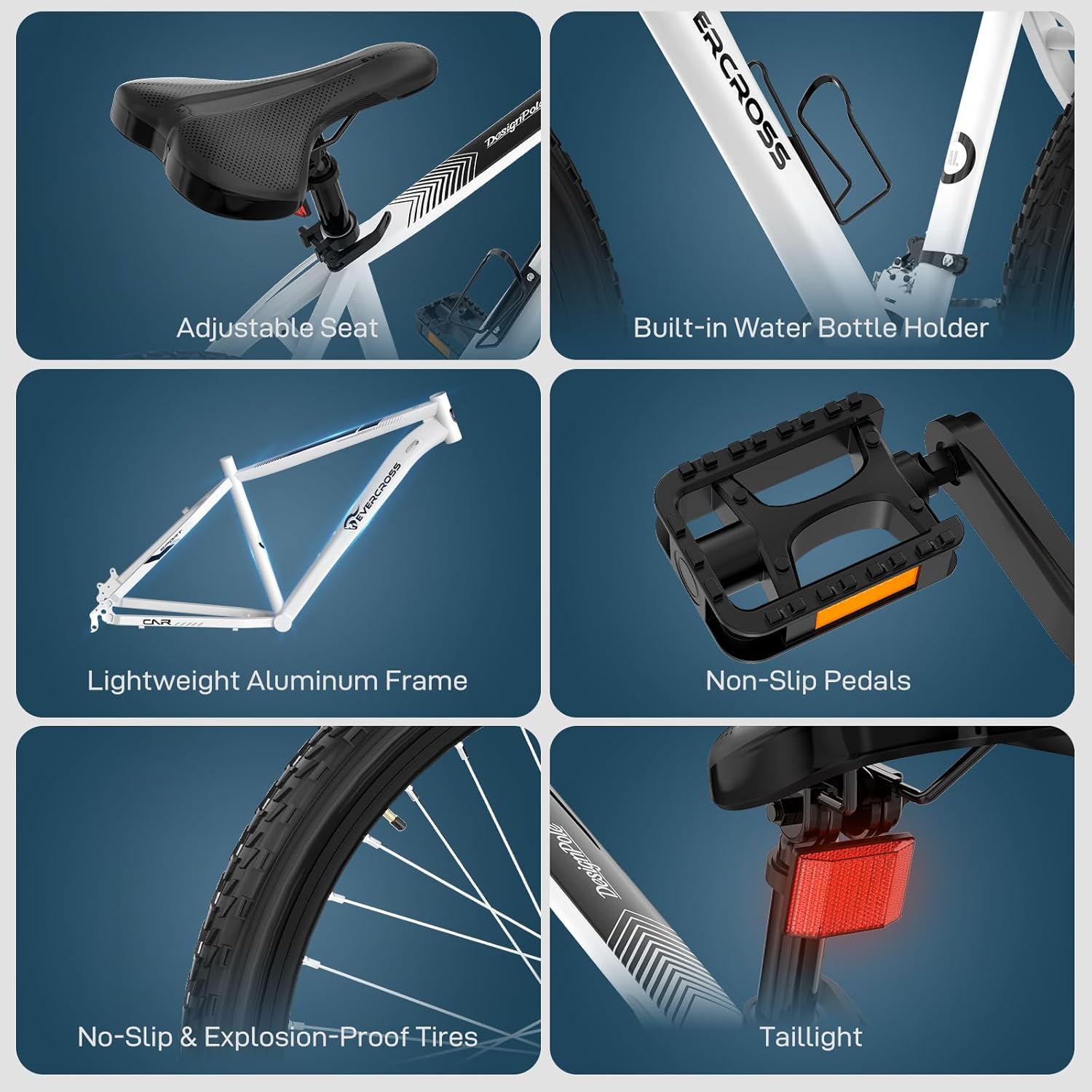
Figure 5.4: 26-Inch Air Tires for Multiple Terrains
6. Maintenance
Regular maintenance ensures the safety and extends the lifespan of your bicycle.
- Cleaning: Clean your bike regularly with mild soap and water. Avoid high-pressure washers directly on bearings.
- Lubrication: Keep the chain, derailleurs, and other moving parts lubricated with appropriate bicycle chain oil or grease. Apply grease to pedals and seat post for smooth operation and to prevent seizing.
- Brakes: Periodically check brake pads for wear and replace them when necessary. Ensure brake cables are free of fraying and properly tensioned.
- Tires: Check tire pressure before each ride. Inspect tires for damage and ensure they are properly seated on the rim.
- Bolts and Fasteners: Regularly check and tighten all bolts, nuts, and quick releases, especially on the handlebars, stem, seat post, and wheels.
- Gear System: If shifting becomes rough or inaccurate, adjust the derailleur limit screws and cable tension. Consult a bike mechanic if you are unsure.
7. Troubleshooting
Here are some common issues and their solutions:
| Problem | Possible Cause | Solution |
|---|---|---|
| Gears are skipping or not shifting smoothly | Derailleur misalignment, stretched cable, dirty chain | Adjust derailleur, lubricate chain, check cable tension |
| Brakes feel spongy or weak | Loose cable, worn pads, air in hydraulic system (if applicable) | Tighten cable, replace pads, bleed brakes (professional service recommended) |
| Tires lose air quickly | Puncture, leaky valve stem, improperly seated tire | Inspect for punctures, replace tube, check valve, reseat tire |
| Creaking noises | Loose components (pedals, bottom bracket, seat post) | Tighten all fasteners, apply grease to contact points |
If you encounter issues not listed here or are unable to resolve a problem, please contact customer support or a qualified bicycle mechanic.
8. Specifications
Key technical specifications for the EVERCROSS EM3 Mountain Bike:
| Feature | Detail |
|---|---|
| Brand | EVERCROSS |
| Model Number | EM3 |
| Bike Type | Mountain Bike |
| Age Range (Description) | Adults |
| Number of Speeds | 21 |
| Wheel Size | 26 Inches |
| Suspension Type | Front Suspension |
| Brake Model | Disc |
| Frame Material | Aluminum |
| Item Weight | 18 Kilograms (approx. 39.68 lbs) |
| Recommended Maximum Weight | 150 Kilograms (approx. 330 lbs) |
| Assembly Required | Yes (Partial) |

Figure 8.1: Bike Dimensions and Recommended Rider Height
9. Warranty and Support
The EVERCROSS EM3 Mountain Bike comes with a 1-year warranty covering manufacturing defects. Please retain your proof of purchase for warranty claims.
For technical support, spare parts, or warranty inquiries, please contact your retailer or the EVERCROSS customer service department. Refer to the contact information provided with your purchase documentation.
9.1. Official Product Videos
No official product videos from the seller were found in the provided data.