1. Introduction
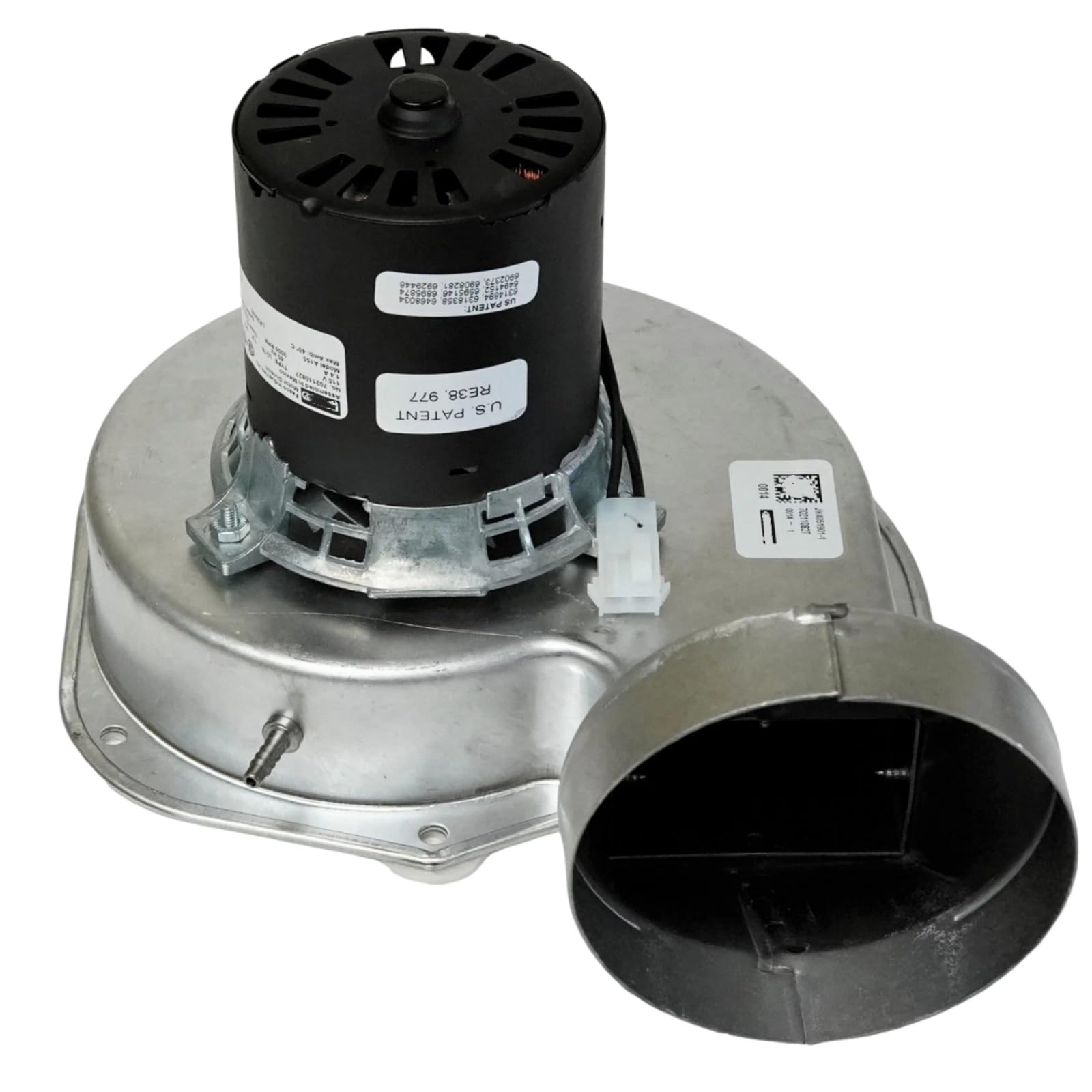
This manual provides essential information for the safe and effective installation, operation, and maintenance of the Generic A155 Furnace Inducer Motor, Model 7021-10046. This component is designed to replace Fasco models 7021-10046, 7021-1004, 7021-10325, and Armstrong models 7021-11062, 7021-1004. Please read all instructions carefully before proceeding with installation or service.
2. Safety Information
WARNING: Installation and servicing of this furnace inducer motor should only be performed by a qualified HVAC technician. Improper installation, adjustment, alteration, service, or maintenance can cause property damage, personal injury, or loss of life.
- Always disconnect electrical power to the furnace before installing or servicing the inducer motor. Failure to do so can result in electrical shock.
- Wear appropriate personal protective equipment (PPE), including safety glasses and gloves, during installation and maintenance.
- Ensure all wiring connections are secure and comply with local electrical codes.
- This motor must be properly grounded.
- Verify that the replacement motor specifications match the original equipment requirements.
3. What's in the Box
Upon opening the package, verify that all components are present and undamaged.
- 1 x A155 Furnace Inducer Motor Assembly
4. Specifications
The following are the technical specifications for the A155 Furnace Inducer Motor:
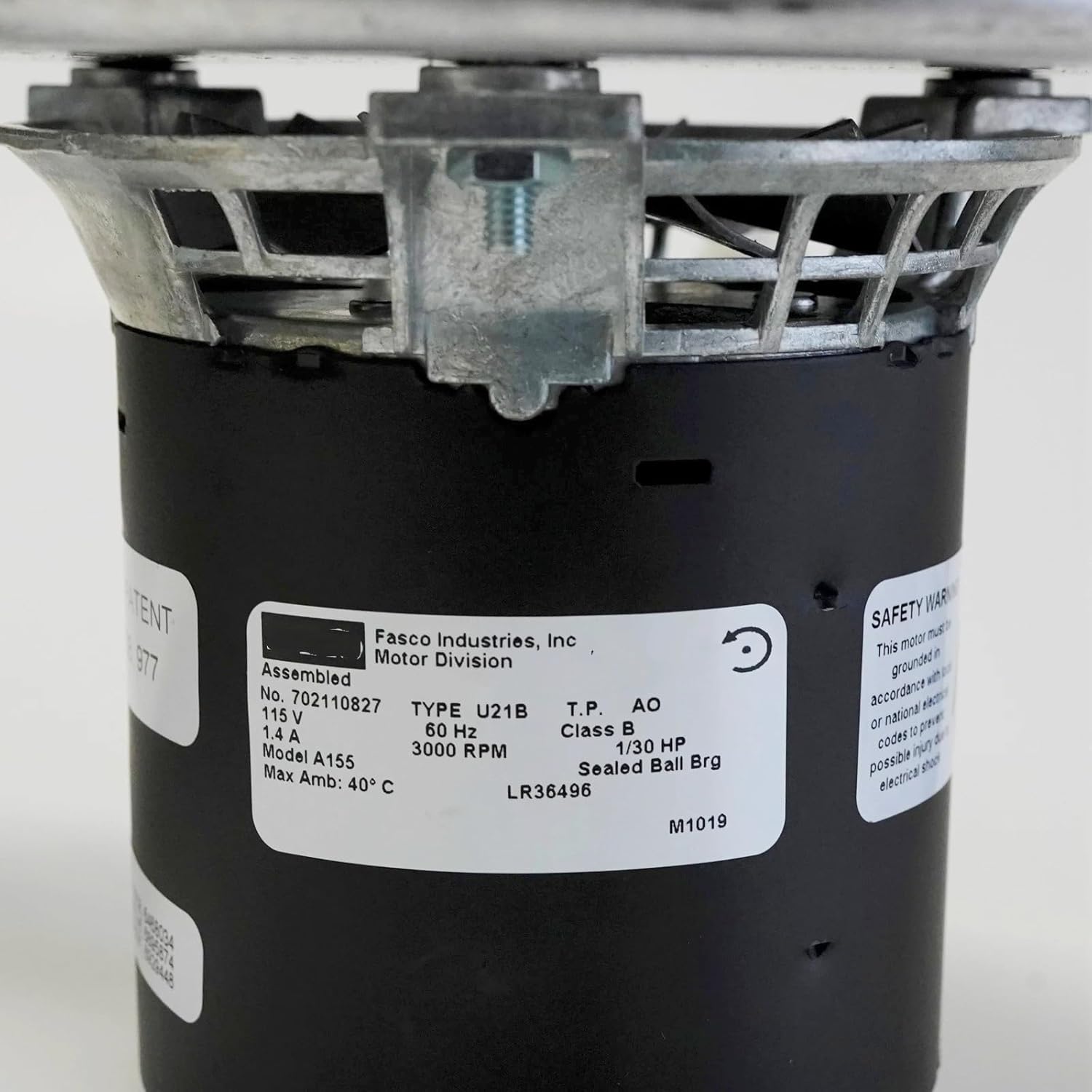
| Model Number | 7021-10046 (A155) |
| Voltage | 115 Volts |
| Amperage | 1.4 Amps |
| RPM | 3000 RPM |
| Motor Type | Shaded Pole, 3.3" Diameter |
| Rotation | CCW (Counter-Clockwise) as viewed from shaft end |
| Frequency | 60 Hz |
| Horsepower | 1/30 HP |
| Bearing Type | Sealed Ball Bearing |
| Max Ambient Temperature | 40°C |
| Replacement For | Fasco 7021-10046, 7021-1004, 7021-10325; Armstrong 7021-11062, 7021-1004 |
| Other Part Numbers | R7-RFB425, 40425-002, 40425-003 |
5. Installation (Setup)
This section outlines the general steps for installing the inducer motor. Always refer to your furnace manufacturer's specific instructions and diagrams for detailed guidance.
- Power Disconnection: Turn off all electrical power to the furnace at the main service panel. Verify power is off using a voltage tester.
- Access Inducer Motor: Locate the existing inducer motor on your furnace. This may require removing access panels.
- Disconnect Wiring: Carefully disconnect the electrical wiring from the old motor. Note the position and color of each wire for correct re-connection.
- Remove Old Motor: Unbolt or unfasten the old inducer motor from its mounting bracket or furnace housing. Be prepared to support its weight.
- Inspect Gasket: Inspect the gasket or mounting surface for damage. Replace if necessary to ensure an airtight seal.
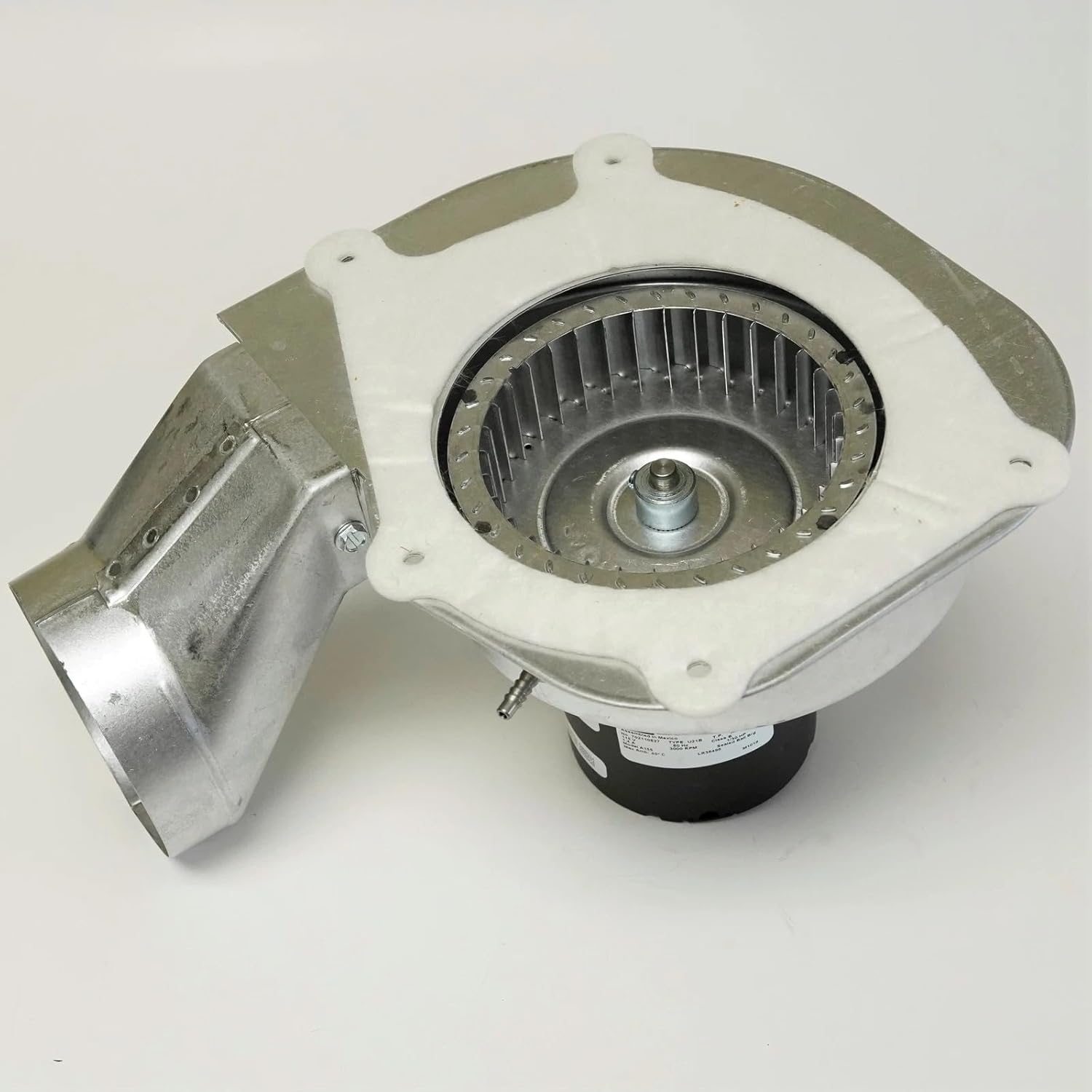
- Mount New Motor: Position the new A155 inducer motor assembly and secure it using the appropriate bolts or fasteners. Ensure it is seated correctly and the gasket forms a tight seal.
- Connect Wiring: Reconnect the electrical wiring to the new motor, matching the connections noted during removal.
- Restore Power: Replace all access panels. Restore electrical power to the furnace.
- Test Operation: Initiate a heating cycle to verify the inducer motor operates correctly. Listen for unusual noises and observe the exhaust.


6. Operation
The A155 Furnace Inducer Motor is an integral component of your furnace's combustion system. When the thermostat calls for heat, the inducer motor activates first, drawing combustion air into the burner and expelling exhaust gases. This creates a negative pressure within the heat exchanger, allowing the pressure switch to close and signal the ignition sequence to begin. The motor continues to operate throughout the heating cycle to ensure proper ventilation of combustion byproducts.
7. Maintenance
Regular maintenance helps ensure the longevity and efficient operation of your furnace and its components.
- Annual Inspection: Have a qualified technician inspect the inducer motor annually as part of routine furnace maintenance.
- Check for Obstructions: Ensure the exhaust vent and air intake are free from debris, blockages, or animal nests.
- Listen for Unusual Noises: Pay attention to any new or unusual sounds coming from the inducer motor, such as grinding, squealing, or rattling, which may indicate a problem.
- Verify Proper Venting: Confirm that exhaust gases are being properly vented to the outside.
8. Troubleshooting
If your furnace is experiencing issues related to the inducer motor, consider the following common problems. Always ensure power is disconnected before inspecting components.
- Motor Not Starting:
- Check for power supply to the furnace.
- Verify electrical connections to the motor are secure.
- Inspect the pressure switch and its tubing for blockages or damage. A faulty pressure switch can prevent the motor from starting.
- The motor capacitor (if external) may be faulty.
- Unusual Noises (Grinding, Squealing):
- Indicates worn bearings or impeller. The motor may need replacement.
- Check for debris inside the blower housing.
- Furnace Not Igniting (Inducer Motor Runs):
- The pressure switch may not be closing, even if the motor is running. Check tubing for cracks or blockages.
- Other ignition components (ignitor, flame sensor) may be faulty.
- Motor Overheating:
- Ensure proper ventilation around the motor.
- Check for excessive load on the motor, such as a restricted exhaust vent.
For complex issues or if you are unsure about any troubleshooting step, contact a certified HVAC professional.
9. Warranty and Support
This product is backed by an after-sale guarantee focused on customer satisfaction. If you encounter any issues or are not satisfied with the product, please contact the seller or manufacturer directly for assistance. They are committed to providing a satisfactory solution.


