
1. Introduction
This manual provides essential information for the safe and effective use of your SAI INDER KALA High Speed Mini DC Motor. This powerful motor is designed for various applications, including DIY projects, electric drills, and garden tools, offering high speed and torque for efficient operation. Please read this manual thoroughly before installation and operation to ensure proper functionality and longevity of the product.
2. Safety Information
Always observe the following safety precautions to prevent injury or damage to the motor:
- Electrical Safety: Ensure the power supply voltage and current match the motor's specifications. Incorrect power can lead to overheating or damage.
- Wiring: Connect wires securely to prevent short circuits. Observe correct polarity.
- Ventilation: Operate the motor in a well-ventilated area to prevent overheating. Do not obstruct cooling vents.
- Moving Parts: Keep hands, hair, and loose clothing away from rotating parts during operation.
- Mounting: Securely mount the motor to a stable surface to prevent vibration and movement during use.
- Overload: Avoid exceeding the motor's rated load to prevent damage and premature wear.
- Children: Keep the motor and associated tools out of reach of children.
3. Product Overview
The SAI INDER KALA High Speed Mini DC Motor is a compact and powerful component for various applications. Key features include:
- High Speed & Torque: Delivers 20500 RPM for efficient operation.
- Versatile Applications: Suitable for electric drills, garden tools, and DIY projects.
- Compact Design: Ensures seamless integration into various setups.
- Dependable Performance: Engineered for durability and consistent output.
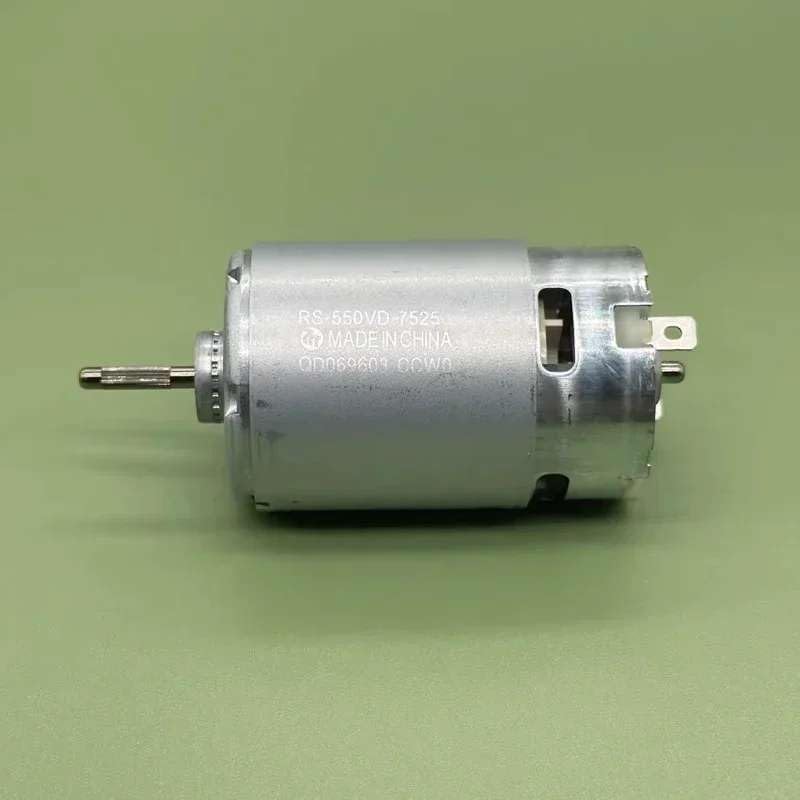
Figure 1: Front view of the SAI INDER KALA High Speed Mini DC Motor, showing its compact design and output shaft.
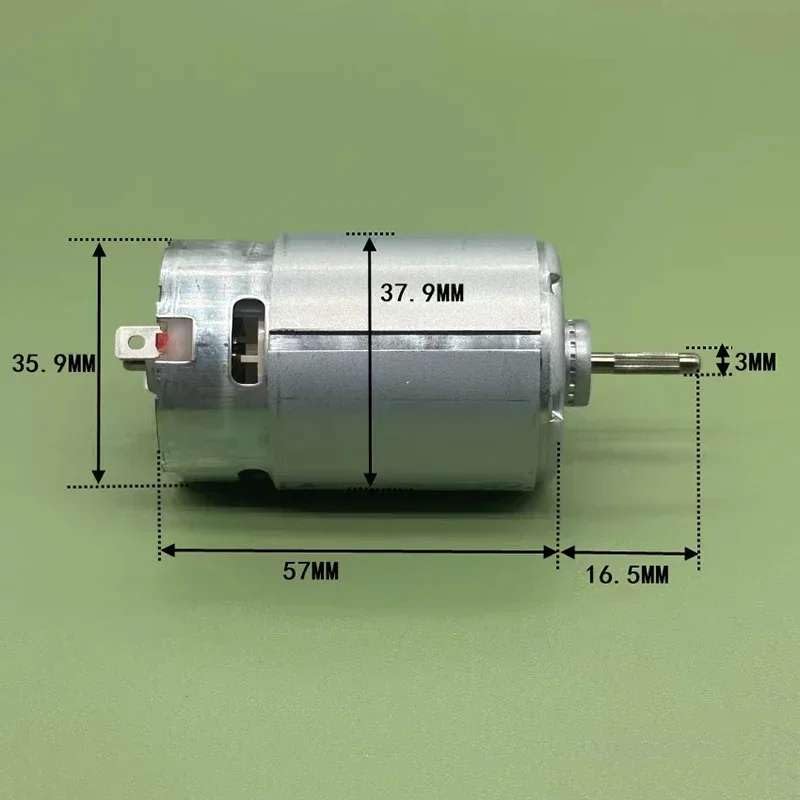
Figure 2: Dimensional drawing of the motor, indicating key measurements such as length, diameter, and shaft size for integration planning.

Figure 3: Rear view of the motor, highlighting the mounting screw holes (2-M3) and the rear bearing assembly.
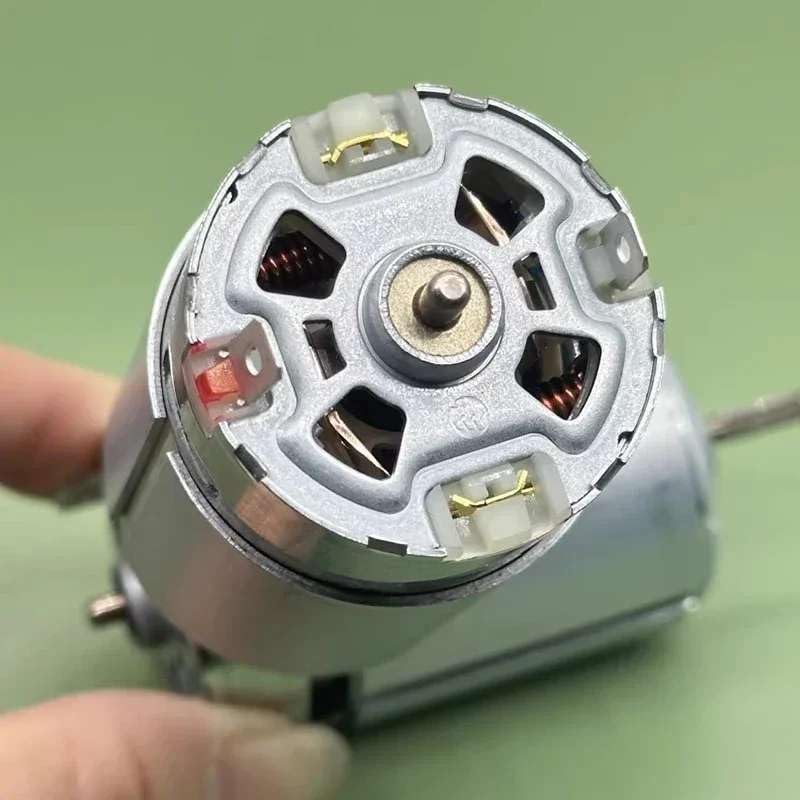
Figure 4: Close-up of the motor's rear, showing the carbon brush assembly and commutator, essential for electrical contact and motor operation.
4. Setup
Follow these steps for initial setup:
- Mounting: Securely attach the motor to your project's frame using appropriate screws through the designated mounting holes. Ensure the motor is stable and vibration-free.
- Power Supply Connection: Connect the motor's terminals to a compatible DC power supply. Observe polarity: typically, one terminal is positive (+) and the other negative (-). Reversing polarity will reverse the motor's direction of rotation.
- Load Attachment: If attaching a load (e.g., drill chuck, fan blade), ensure it is balanced and securely fastened to the motor shaft. Avoid excessive force during attachment to prevent shaft damage.
- Initial Check: Before full operation, perform a brief test run to confirm correct wiring and smooth rotation without load.
5. Operating Instructions
To operate the motor:
- Power On: Apply power from your DC power supply. The motor should begin to rotate.
- Speed Control (if applicable): If using a variable power supply or motor controller, adjust the voltage to control the motor's speed.
- Monitoring: During operation, periodically check for unusual noises, excessive heat, or vibrations. Discontinue use if any abnormalities are detected.
- Power Off: Disconnect the power supply when the motor is not in use.
6. Maintenance
Regular maintenance ensures optimal performance and extends the motor's lifespan:
- Cleaning: Keep the motor free from dust, dirt, and debris. Use a soft, dry cloth or compressed air to clean the exterior. Avoid using liquids.
- Inspection: Periodically inspect the motor for any signs of wear, loose connections, or damage to the casing or shaft.
- Lubrication: This motor is typically designed for maintenance-free operation. Do not attempt to lubricate internal components unless specifically instructed by the manufacturer.
- Storage: Store the motor in a dry, clean environment when not in use.
7. Troubleshooting
Refer to the table below for common issues and their solutions:
| Problem | Possible Cause | Solution |
|---|---|---|
| Motor does not start | No power, incorrect wiring, faulty power supply, motor jammed. | Check power connections, verify power supply, ensure no obstructions are preventing rotation. |
| Motor runs slowly or with reduced power | Insufficient power, excessive load, worn brushes (if applicable). | Verify power supply voltage/current, reduce load, inspect motor for internal issues. |
| Motor overheats | Overload, poor ventilation, continuous operation at maximum load. | Reduce load, ensure adequate ventilation, allow motor to cool periodically. |
| Unusual noise or vibration | Loose mounting, unbalanced load, internal damage. | Check mounting screws, balance the load, discontinue use if internal damage is suspected. |
8. Specifications
The following are the technical specifications for the SAI INDER KALA High Speed Mini DC Motor:
| Specification | Value |
|---|---|
| Brand | SAI INDER KALA |
| Model Number | FFP92568101280SIK |
| Product Dimensions (LxWxH) | 10 x 10 x 10 cm |
| Material | Stainless Steel |
| RPM (Rotations Per Minute) | 20500 (High Speed) |
| Included Components | Case |