
1. Introduction
This manual provides essential information for the safe and efficient use of your CHICNOD 48V 100Ah LiFePO4 battery. This high-capacity lithium iron phosphate battery is designed for various applications including RVs, solar power systems, marine vessels, trolling motors, and home backup power. It features automotive-grade cells, a robust Battery Management System (BMS), and a long cycle life for reliable performance.

Image 1.1: The CHICNOD 48V 100Ah LiFePO4 battery, showcasing its compact design.
2. Safety Information
Read and understand all safety instructions before installing or operating the battery. Failure to follow these instructions may result in electric shock, fire, serious injury, or property damage.
2.1 General Safety Precautions
- Always wear appropriate personal protective equipment (PPE) including insulated gloves and eye protection when handling batteries.
- Do not short-circuit the battery terminals. This can cause severe damage to the battery and pose a fire hazard.
- Do not immerse the battery in water or expose it to excessive moisture.
- Keep the battery away from heat sources, open flames, and flammable materials.
- Do not disassemble, puncture, or modify the battery. Internal components are not user-serviceable.
- Ensure proper ventilation when charging or discharging the battery.
- Use only compatible chargers and charging methods specified for LiFePO4 batteries.
- Store the battery in a cool, dry place, away from direct sunlight.
2.2 Battery Management System (BMS) Protection
The CHICNOD LiFePO4 battery is equipped with a built-in 100A BMS that provides comprehensive protection against:
- Overcharging: Prevents damage from excessive charging voltage.
- Over-discharging: Protects cells from being discharged below safe voltage levels.
- Overcurrent: Limits current flow to prevent damage during high load conditions.
- Short Circuits: Automatically disconnects in case of a short circuit.
- High & Low Temperature: Protects the battery from operating outside its safe temperature range.
- Cell Balancing: Ensures uniform charge across all cells for extended lifespan.

Image 2.1: Visual representation of the comprehensive BMS protection system.
3. Product Overview and Features
The CHICNOD 48V 100Ah LiFePO4 battery offers superior performance and longevity compared to traditional lead-acid batteries. Key features include:
- Advanced Cell Technology: Manufactured with automotive-grade LiFePO4 cells, ensuring safety, non-toxicity, and renewability.
- High Energy Density: Provides 5120Wh of energy in a lightweight and compact form factor.
- Extended Lifespan: Offers over 4,000 charge cycles, significantly outlasting lead-acid alternatives.
- Robust Construction: Features a stable LiFePO4 chemical reaction, safety valve, and a durable metal shell for fire and explosion protection.
- Space-Saving Design: Flat design with side screw fasteners allows for stackable placement.
- Wide Operating Temperature: Functions reliably across a broad temperature range for both discharge and charge.
- Waterproof Rating: IP65 rated for protection against dust and water jets.
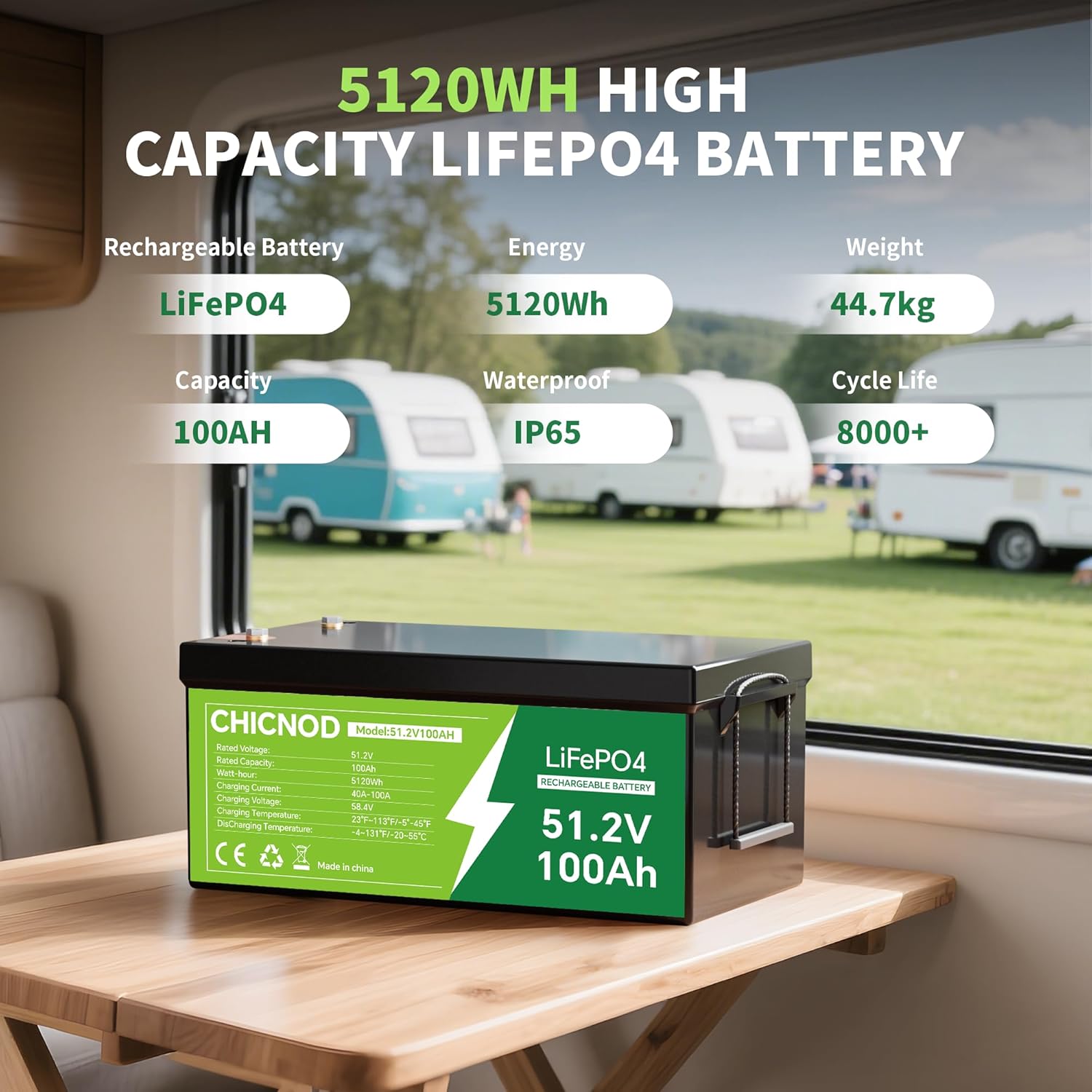
Image 3.1: Key specifications and features of the 51.2V 100Ah LiFePO4 battery.
4. Setup and Installation
Proper installation is crucial for the battery's performance and safety. Follow these guidelines:
4.1 Unpacking and Inspection
- Carefully remove the battery from its packaging.
- Inspect the battery for any visible damage during shipping. If damage is found, do not proceed with installation and contact customer support.
- Verify that all included accessories (M8*2 terminal bolts) are present.
4.2 Mounting Location
- Choose a clean, dry, and well-ventilated location for installation.
- Ensure the ambient temperature is within the specified operating range.
- Mount the battery securely to prevent movement or vibration. The flat design allows for stackable placement if multiple batteries are used (ensure proper ventilation between stacked units).
4.3 Electrical Connections
- Before making any connections, ensure all power sources are disconnected and the system is de-energized.
- Connect the positive (+) terminal of the battery to the positive (+) terminal of your system using appropriate gauge cables.
- Connect the negative (-) terminal of the battery to the negative (-) terminal of your system.
- Use the provided M8*2 terminal bolts to secure connections tightly. Loose connections can cause overheating and damage.
- Double-check all connections for correct polarity before applying power. Incorrect polarity will damage the battery and connected equipment.
5. Operation
This section details the charging and discharging procedures for your CHICNOD LiFePO4 battery.
5.1 Charging
The battery can be charged using a compatible charger station, solar panel, or generator. All charging methods require a 51.2V charging voltage.
- Charging Voltage: 51.2V (nominal).
- Recommended Charging Current: 40A-100A.
- Charging Temperature Range: 23°F to 113°F (-5°C to 45°C). The BMS will prevent charging outside this range.
- Ensure your charger is specifically designed for LiFePO4 batteries and matches the battery's voltage and current requirements.

Image 5.1: Various methods for charging the CHICNOD LiFePO4 battery.
5.2 Discharging
- Maximum Continuous Discharge Current: 50A.
- Peak Discharge Current: Up to 2-3C (200-300A) for a maximum of 10 seconds.
- Discharging Temperature Range: -4°F to 131°F (-20°C to 55°C). The BMS will prevent discharging outside this range.
- Avoid consistently drawing currents above the maximum continuous discharge rating to prevent premature wear or BMS activation.
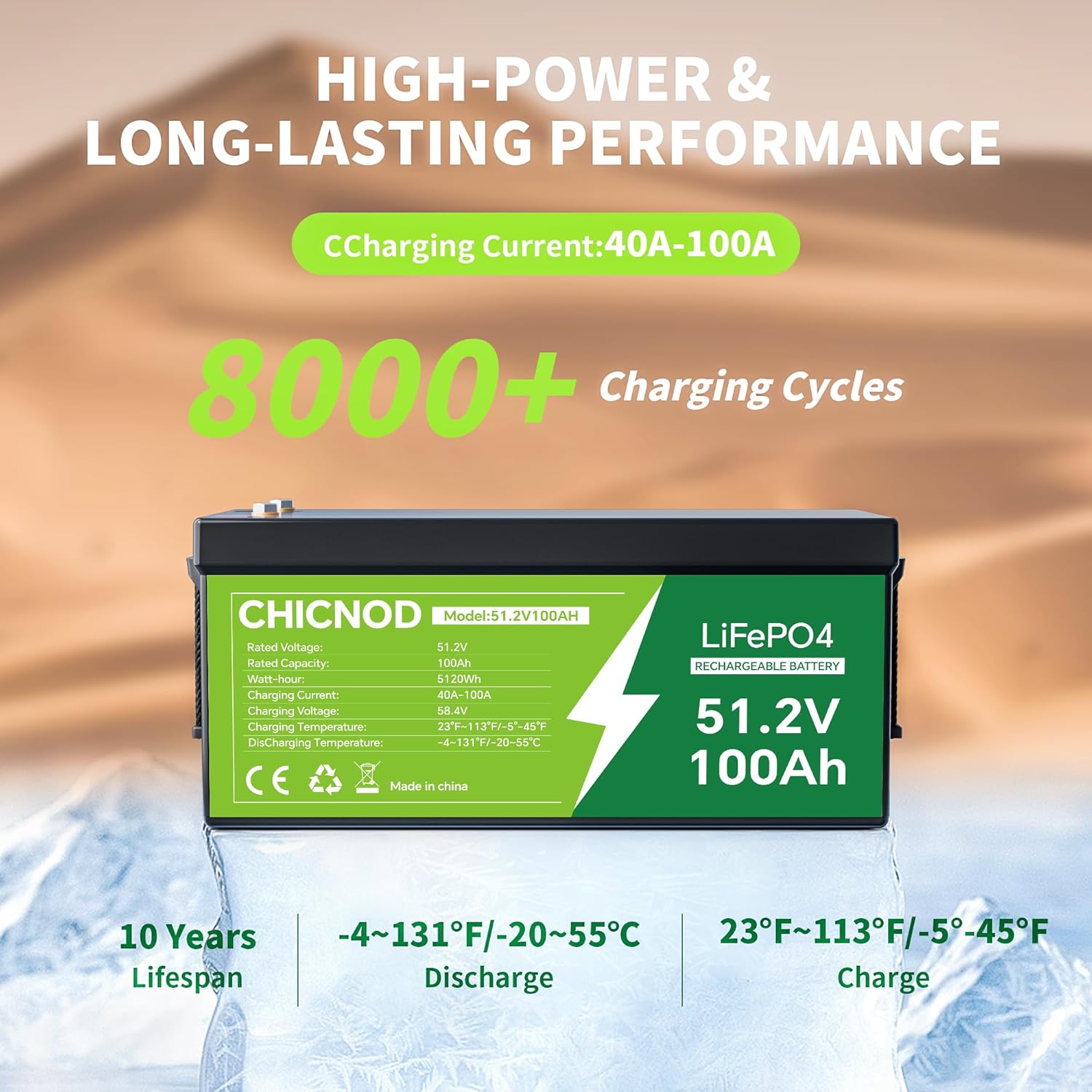
Image 5.2: High-power and long-lasting performance characteristics, including temperature ranges.
6. Maintenance
Regular maintenance helps ensure the longevity and optimal performance of your LiFePO4 battery.
- Terminal Inspection: Periodically check battery terminals for corrosion or loose connections. Clean terminals with a wire brush if necessary and ensure they are securely fastened.
- Battery Cleaning: Keep the battery casing clean and free of dust and debris. Use a dry cloth for cleaning. Do not use solvents or abrasive cleaners.
- Storage: If storing the battery for an extended period, ensure it is charged to approximately 50-70% State of Charge (SoC). Store in a cool, dry place away from direct sunlight and extreme temperatures.
- Regular Checks: Monitor the battery's performance and voltage regularly, especially in critical applications.
7. Troubleshooting
This section provides solutions to common issues you might encounter with your battery.
7.1 Battery Not Charging
- Check Connections: Ensure all charging cables are securely connected to the battery and the charger.
- Verify Charger: Confirm that the charger is powered on and functioning correctly. Ensure it is a compatible LiFePO4 charger with the correct voltage (51.2V).
- Temperature: Check if the ambient temperature is within the charging range (23°F to 113°F / -5°C to 45°C). The BMS will prevent charging if too cold or too hot.
- BMS Protection: The BMS may have activated due to an over-discharge event. Try connecting the battery to a compatible charger; the BMS may reset.
7.2 Battery Not Discharging / No Power Output
- Check Connections: Ensure all load connections are secure and correct.
- Load Current: Verify that the connected load does not exceed the battery's maximum continuous discharge current (50A) or peak current limits. The BMS will shut off power if overloaded.
- Battery Voltage: Check the battery's voltage. If it's too low, the BMS may have activated over-discharge protection. Recharge the battery.
- Temperature: Ensure the ambient temperature is within the discharging range (-4°F to 131°F / -20°C to 55°C).
- BMS Fault: If the issue persists after checking the above, the BMS may have detected an internal fault. Contact customer support.
8. Specifications
Detailed technical specifications for the CHICNOD LiFePO4 48V 100Ah battery.
| Specification | Value |
|---|---|
| Brand | CHICNOD |
| Model Name | LiFePO4 48V100Ah |
| Battery Cell Composition | Lithium Iron Phosphate (LiFePO4) |
| Nominal Voltage | 51.2 Volts |
| Rated Capacity | 100Ah |
| Energy | 5120Wh |
| Built-in BMS | 100A |
| Max Continuous Discharge Current | 50A |
| Peak Discharge Current | 2-3C (200-300A) for 10 seconds |
| Recommended Charging Current | 40A-100A |
| Cycle Life | Over 4,000 cycles (8,000+ cycles indicated in some materials) |
| Discharging Temperature Range | -4°F to 131°F (-20°C to 55°C) |
| Charging Temperature Range | 23°F to 113°F (-5°C to 45°C) |
| Item Weight | 44.7 Kilograms (98.54 lbs) |
| Waterproof Rating | IP65 |
| Terminal Type | M8*2 |
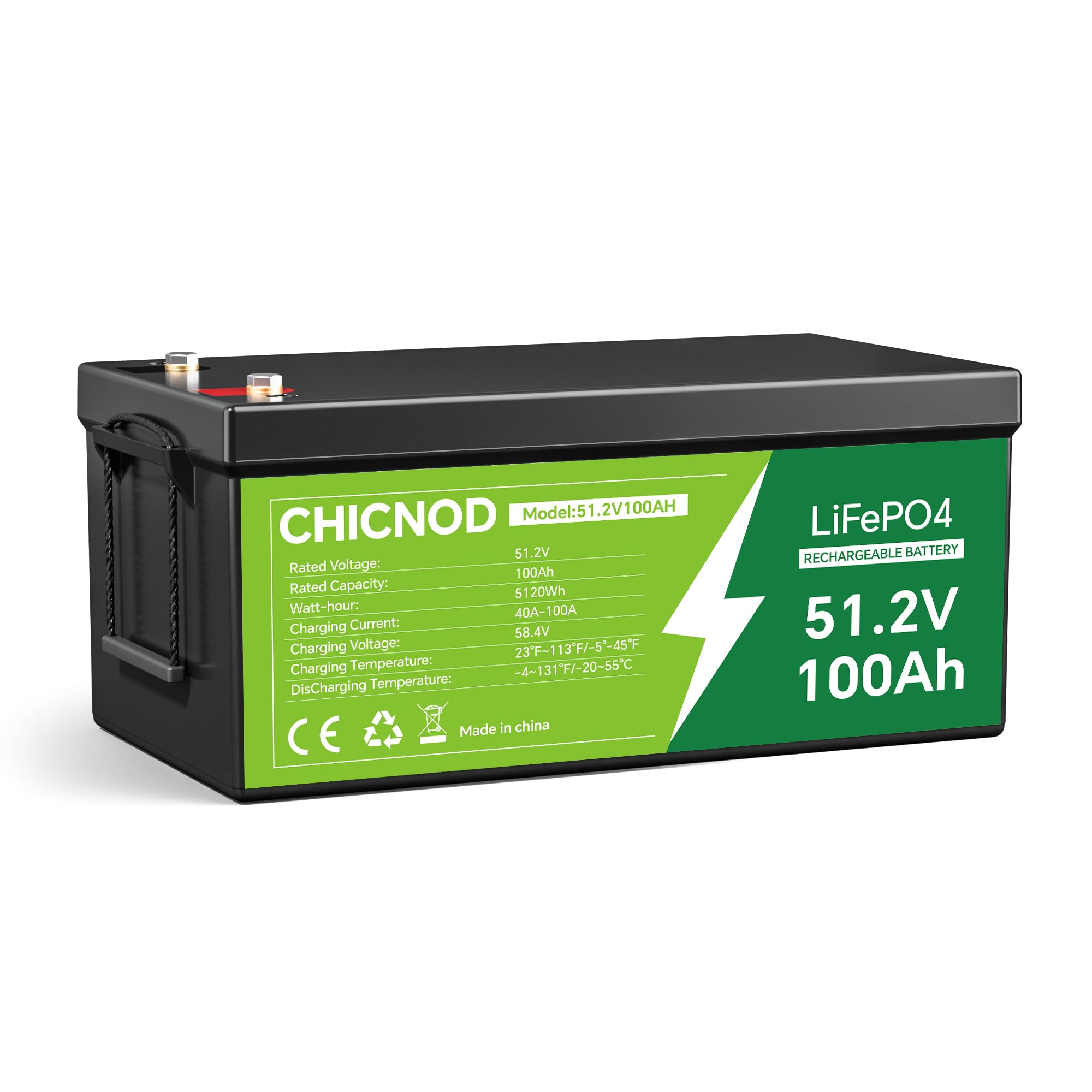
Image 8.1: Physical dimensions and weight of the CHICNOD 48V 100Ah LiFePO4 battery.
9. Warranty
The CHICNOD LiFePO4 48V 100Ah battery comes with a 5-year warranty from the date of purchase. This warranty covers defects in materials and workmanship under normal use and service. Please retain your proof of purchase for warranty claims. The warranty does not cover damage caused by misuse, abuse, unauthorized modification, or improper installation.
10. Support
If you have any questions, require technical assistance, or encounter issues not covered in this manual, please contact CHICNOD customer support. For further information and product updates, you may visit the official CHICNOD store on Amazon: CHICNOD Store.