
Introduction
Thank you for choosing the SAMOLLA TG12000 Trolling Reel Conventional Reel. This manual provides essential information for the proper setup, operation, and maintenance of your new fishing reel. Please read these instructions carefully before use to ensure optimal performance and longevity of your product.
Product Features
The SAMOLLA TG12000 Trolling Reel is engineered for durability and performance in demanding fishing conditions. Key features include:
- Lightweight, corrosion-resistant frame and side plates.
- Machined aluminum, smoke anodized spool for smooth line release and retrieval.
- Stainless steel reinforcing side plate rings for enhanced structural integrity.
- Multi-disc Carbonite drag system for consistent and powerful drag performance.
- Ratcheting drag star for precise and repeatable drag settings.
- 8+1 sealed bearings designed to resist seawater corrosion.
- Oversized and comfortable handle for improved grip and cranking power.

Figure 1: Detailed view of the reel, highlighting the oversized handle, brake adjustment button, and main cover design. The brake adjustment allows for micro-adjustments and clearance control.

Figure 2: Left side of the reel showing the alarm button switch, which emits a tick sound when a fish bites and drags the line. The right side shows the brake force adjustment knob; rotate inward to reduce braking force and outward to increase it.

Figure 3: The main seat plate is riveted with stainless steel for superior strength compared to screw-fastened designs. Also shown is the line capacity: 8# PE line for 678 yards, and 14# PE line for 470 yards.
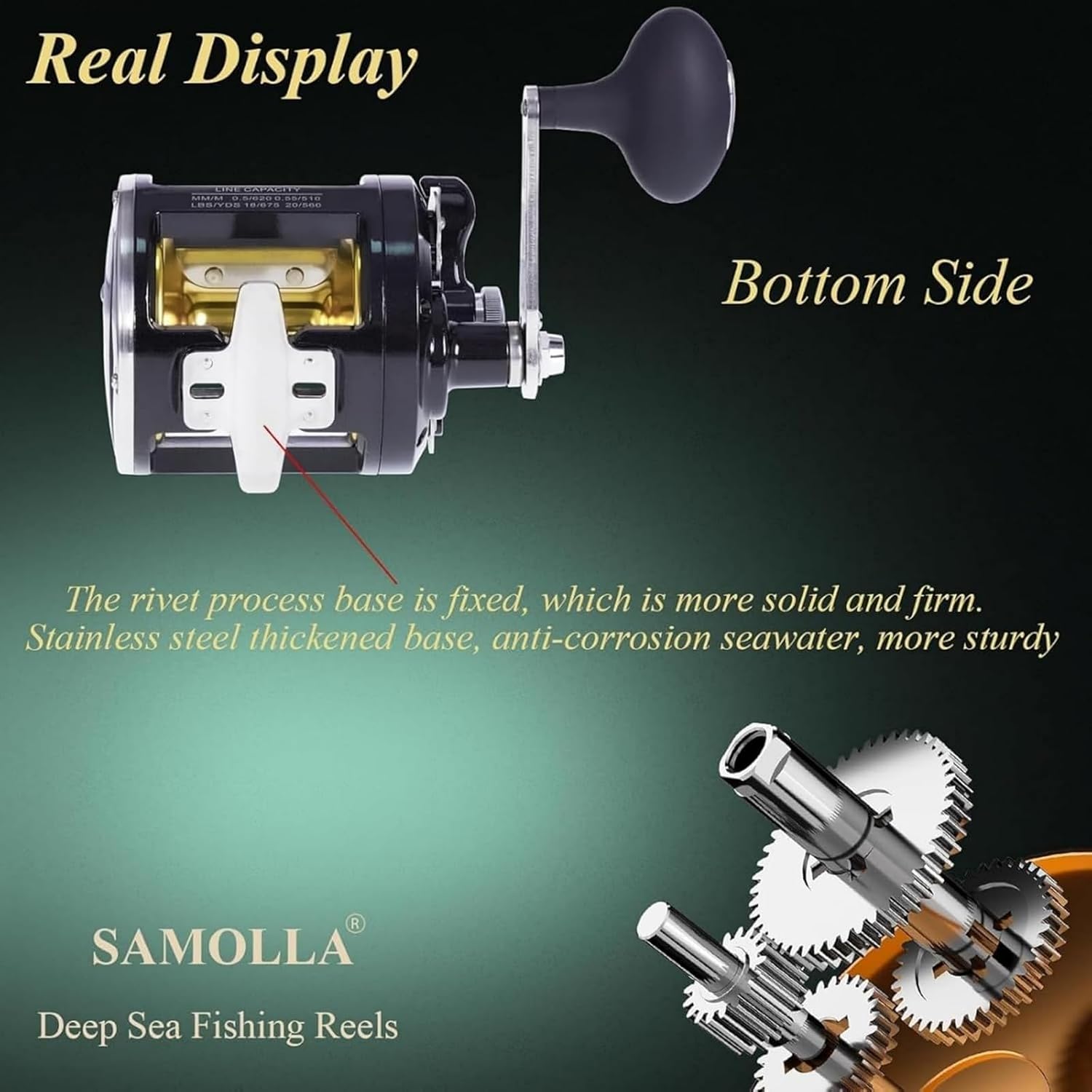
Figure 4: Bottom view of the reel. The rivet process base ensures a solid and firm connection. The stainless steel thickened base provides anti-corrosion properties, especially in seawater environments, enhancing overall sturdiness.
Setup
1. Attaching the Reel to a Fishing Rod
- Align the reel foot with the reel seat on your fishing rod.
- Tighten the reel seat locking nuts securely to prevent any movement during use. Ensure the reel is firmly seated.
2. Spooling Fishing Line
- Attach the fishing line to the spool using an appropriate knot (e.g., arbor knot).
- Ensure the line is spooled evenly and tightly onto the reel. Avoid overfilling or underfilling the spool. Refer to the specifications for recommended line capacities.
- The reel supports braided, monofilament, and fluorocarbon line types.
3. Initial Drag Setting
- Before fishing, set your initial drag. Turn the ratcheting drag star to achieve the desired tension. A common starting point is to set the drag to approximately one-third of the line's breaking strength.
- Test the drag by pulling line directly from the spool. It should release smoothly without jerking.
Operation
1. Casting and Retrieval
- To cast, disengage the spool by pressing the free-spool lever (if applicable) or adjusting the drag to allow line to run freely.
- After casting, engage the spool and begin retrieval by turning the handle. Ensure the line lays evenly on the spool.
2. Using the Alarm Button Switch
- The alarm button switch (located on the left side, refer to Figure 2) can be engaged to provide an audible "tick" sound when a fish takes the bait and pulls line from the spool. This feature is useful for detecting bites, especially when trolling or bottom fishing.
- Disengage the switch when not needed to prevent unnecessary noise.
3. Adjusting Brake Force
- The brake force adjustment knob (located on the right side, refer to Figure 2) allows for fine-tuning of the spool's resistance.
- Rotate the knob inward to reduce braking force, allowing the spool to spin more freely.
- Rotate the knob outward to increase braking force, adding more resistance to the spool. This is distinct from the main drag setting and is often used for casting control or to prevent backlash.

Figure 5: The SAMOLLA TG12000 Trolling Reel in use on a boat, demonstrating its application in deep-sea fishing environments.

Figure 6: The reel effectively handling a fish, showcasing its strength and reliability during retrieval.
Maintenance
Proper maintenance is crucial for extending the life and performance of your SAMOLLA TG12000 Trolling Reel, especially after use in saltwater environments.
1. Cleaning After Use
- After each use, especially in saltwater, rinse the reel thoroughly with fresh water. Do not submerge the reel.
- Wipe down the exterior with a soft cloth to remove any salt residue or dirt.
- Allow the reel to air dry completely in a shaded, well-ventilated area before storage.
2. Lubrication
- Periodically apply a small amount of high-quality reel oil to moving parts such as the handle shaft, bail arm pivots, and any exposed bearings.
- Apply reel grease to the main gears if you disassemble the reel for deeper cleaning. Consult a professional if you are unsure about disassembly.
3. Storage
- Store the reel in a dry, cool place away from direct sunlight and extreme temperatures.
- Loosen the drag completely before storing to prevent compression of the drag washers.
Troubleshooting
If you encounter issues with your SAMOLLA TG12000 Trolling Reel, refer to the common problems and solutions below:
- Grinding Noise During Retrieval:
- Cause: Lack of lubrication, debris in gears, or loose components.
- Solution: Clean and lubricate the reel. Check for any loose screws or parts. If the issue persists, professional inspection may be required.
- Drag Not Smooth or Sticking:
- Cause: Contaminated or worn drag washers.
- Solution: Disassemble the drag system (if comfortable) and clean the washers. Replace if worn. Ensure drag is loosened during storage.
- Spool Not Free-Spooling Properly:
- Cause: Over-tightened brake force knob, debris in the spool mechanism, or damaged bearings.
- Solution: Check the brake force adjustment knob (Figure 2) and ensure it is not overly tightened. Clean the spool area. If bearings are suspected, professional service is recommended.
For issues not covered here, please contact SAMOLLA customer support.
Specifications
The following table outlines the key specifications for the SAMOLLA TG12000 Trolling Reel:

Figure 7: Detailed specifications including dimensions, weight, gear ratio, and line capacity for the TG12000 model.
| Feature | Specification |
|---|---|
| Brand | SAMOLLA |
| Model Number | TG12000 |
| Product Dimensions (L x W x H) | 20.8 x 9 x 9 cm (8.64 x 13.97 x 8.64 cm) |
| Item Weight | 793.79 g (28 Ounces) |
| Material | Aircraft Aluminum |
| Hand Orientation | Right Hand |
| Fishing Technique | Conventional Reel |
| Gear Ratio | 3.4:1 |
| Bearings | 8+1 Sealed Bearings |
| Maximum Drag | 66 Pounds |
| Line Capacity (PE/yds) | 8#/678 yds, 14#/470 yds |
| Special Features | Anti-Reverse, Anti-Slip, Corrosion Resistant, Lightweight, Rust Resistant |
| Fishing Line Type | Braided, Monofilament, Fluorocarbon |
Warranty and Support
For warranty information, technical support, or service inquiries regarding your SAMOLLA TG12000 Trolling Reel, please contact SAMOLLA customer service through the retailer where the product was purchased or visit the official SAMOLLA website for contact details.
Please retain your proof of purchase for any warranty claims.