
1. Introduction
This manual provides detailed instructions for the setup, operation, and maintenance of your Seeed Studio reSpeaker XVF3800 USB Microphone Array. This device is designed for advanced AI voice capture, offering superior audio clarity and integration capabilities for various platforms.
What's in the Box
- reSpeaker XVF3800 4-Mic Array Board
Key Features
- Crystal-Clear Voice Capture: Utilizes the XMOS XVF3800 voice processor for exceptional audio clarity with built-in Acoustic Echo Cancellation (AEC), beamforming, and noise suppression.
- 360° Far-Field Voice Pickup: Captures sound from all directions with high sensitivity, enabling accurate voice recognition up to 5 meters away.
- Plug & Play USB: Connects via USB without requiring additional drivers, compatible with Windows, macOS, Linux, Raspberry Pi, and NVIDIA Jetson.
- Advanced AI Audio Processing: Features professional-grade algorithms including Direction of Arrival (DoA), Automatic Gain Control (AGC), and de-reverberation for precise voice detection and speaker localization.
- Flexible Integration: Supports dual modes (USB & I2S) for seamless integration into embedded systems like ESP32, Arduino, and custom hardware.
2. Product Overview
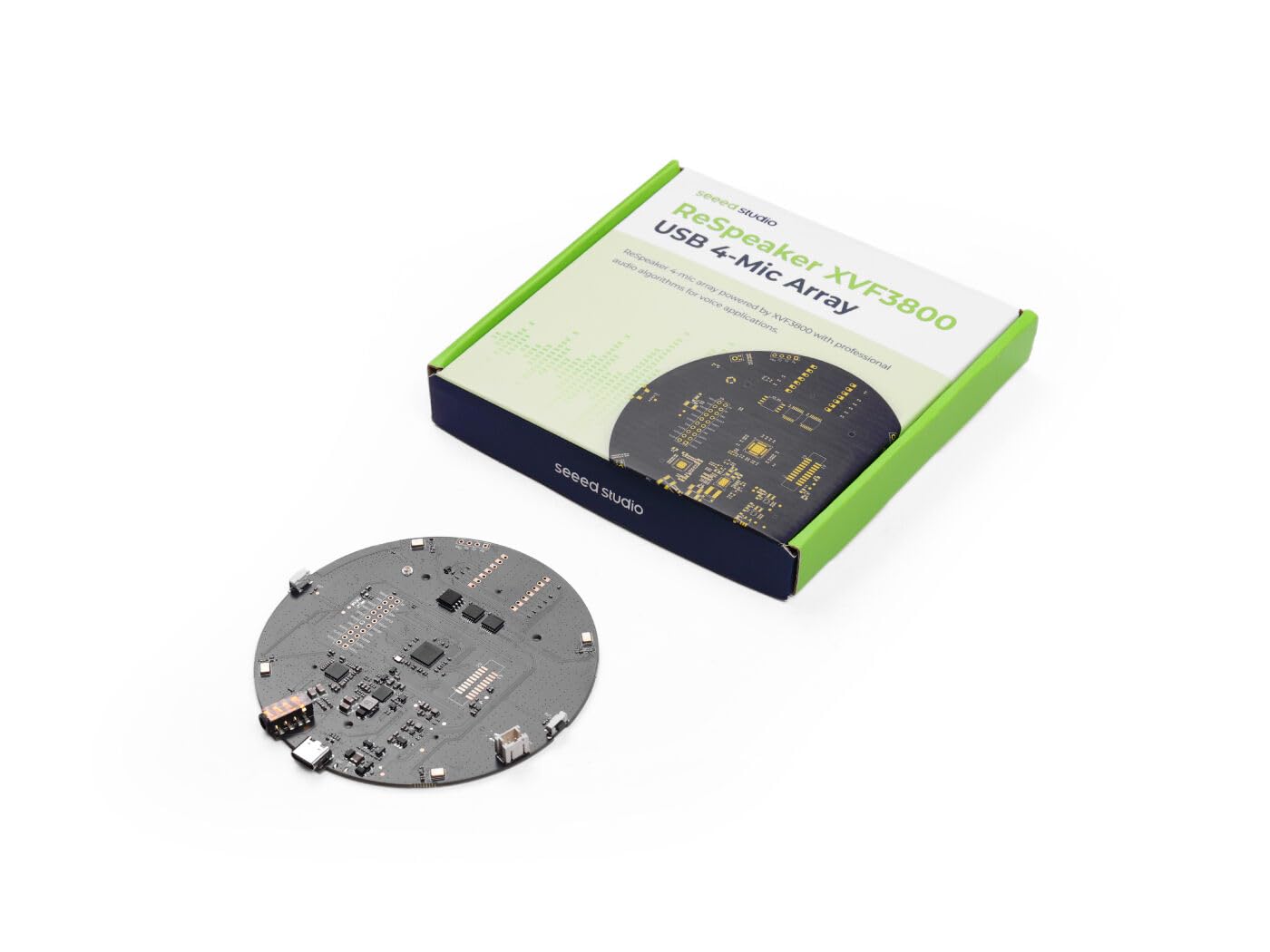
Figure 2.1: The reSpeaker XVF3800 USB Microphone Array Bare Board.

Figure 2.2: Top view of the reSpeaker XVF3800 board, illustrating the circular 4-microphone array and LED indicators.
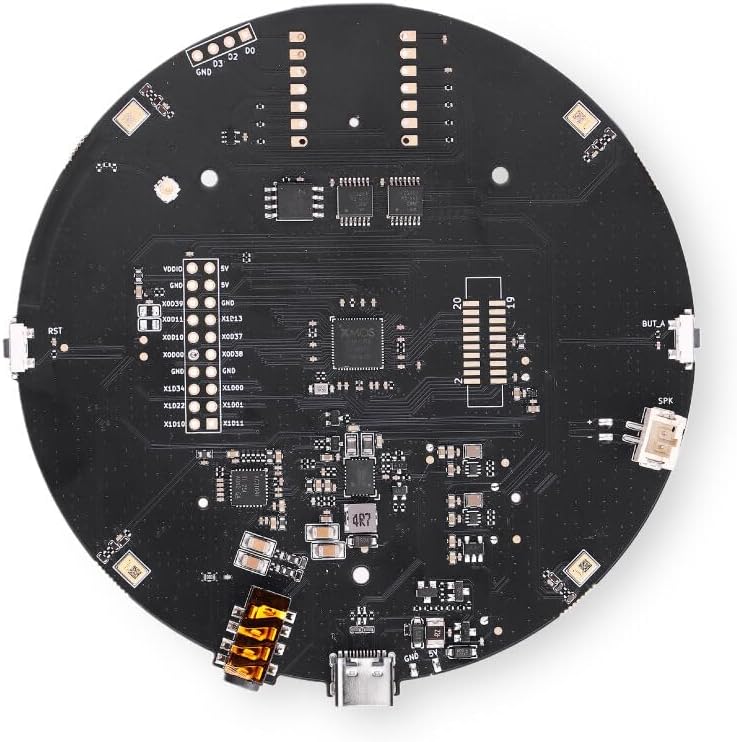
Figure 2.3: Bottom view of the reSpeaker XVF3800 board, highlighting the XMOS processor and various connection pins.

Figure 2.4: Overview of the reSpeaker's core voice front-end and its different versions for various integration needs.
3. Setup
3.1 Connecting the Device
To begin using your reSpeaker XVF3800, connect it to your host device (e.g., Raspberry Pi, Jetson, PC) using a standard USB cable. The device is designed for plug-and-play functionality.
3.2 Driver Installation
For most common operating systems (Windows, macOS, Linux), the reSpeaker XVF3800 will be recognized automatically as a standard USB audio device, and no additional driver installation is required. For specific embedded systems or advanced configurations, refer to the Seeed Studio documentation for detailed setup guides.
4. Operating Instructions
4.1 Voice Capture
The 4-microphone array provides 360° far-field voice pickup, allowing the device to capture audio from any direction up to 5 meters away. Position the reSpeaker in a central location for optimal performance in a room.
4.2 LED Indicators
The reSpeaker XVF3800 features onboard RGB LEDs that provide visual feedback on voice direction and interaction status. These LEDs can indicate where sound is being detected, offering a clear visual cue for users.

Figure 4.1: Illustration of the reSpeaker's direction-aware light feedback system, showing how LEDs indicate sound source direction.
5. Advanced AI Audio Processing
The reSpeaker XVF3800 integrates a suite of professional-grade audio algorithms to enhance voice capture and processing:
- Acoustic Echo Cancellation (AEC): Eliminates echoes from speakers, ensuring clear two-way communication.
- Beamforming: Focuses on the target speaker's voice, reducing interference from other directions.
- Noise Suppression (NS): Filters out steady background noise for cleaner speech.
- Direction of Arrival (DoA): Identifies the direction from which a sound originates.
- Automatic Gain Control (AGC): Adjusts microphone sensitivity to maintain consistent voice levels.
- De-reverberation: Reduces the effect of room reverberation, improving speech clarity in echo-filled environments.

Figure 5.1: Explanation of common voice pickup challenges in real environments and how the reSpeaker's built-in AI algorithms provide solutions.
6. Integration and Compatibility
6.1 Supported Platforms
The reSpeaker XVF3800 is compatible with a wide range of operating systems and development boards, making it suitable for various projects:
- Windows
- macOS
- Linux
- Raspberry Pi
- NVIDIA Jetson
- FreeRTOS
6.2 Dual Mode Operation (USB & I2S)
The device supports both USB and I2S interfaces, offering flexibility for different application requirements. The USB mode is ideal for host-side audio processing, while the I2S mode allows for deeper embedded integration with microcontrollers and custom hardware.

Figure 6.1: Workflow options for integrating the reSpeaker, showing both USB and I2S paths for host-side and embedded applications.
6.3 Open Hardware Ecosystem
The reSpeaker XVF3800 is designed for open hardware and local voice ecosystems, enabling seamless integration with platforms such as ESP32, Arduino, Home Assistant, and ESPHome.

Figure 6.2: The reSpeaker's compatibility with a range of open hardware and local voice platforms, facilitating diverse project builds.

Figure 6.3: A comparison of the three available reSpeaker versions, each offering different features for prototyping, deployment, and embedded workflows.
7. Applications
The reSpeaker XVF3800 is versatile and can be used in numerous applications requiring high-quality voice interaction:
- Smart Home Voice Nodes
- Local AI Agents and Offline Voice Frontends
- Robotics and Direction-Aware Audio Experiments
- Desk or Conference Microphone Deployments
- Voice Assistants for Raspberry Pi and Jetson

Figure 7.1: Examples of how the reSpeaker can be utilized in diverse settings, from smart home integration to advanced robotics and professional conferencing.
8. Maintenance
To ensure the longevity and optimal performance of your reSpeaker XVF3800, follow these maintenance guidelines:
- Cleaning: Gently wipe the board with a dry, soft cloth. Avoid using liquid cleaners or solvents, as they may damage the electronic components.
- Storage: Store the device in a cool, dry environment away from direct sunlight and extreme temperatures. If not in use for extended periods, consider storing it in an anti-static bag.
- Handling: Handle the bare board with care to avoid damaging sensitive components. Minimize contact with exposed circuitry.
- Connectivity: Ensure USB cables are connected securely but without excessive force to prevent damage to ports.
9. Troubleshooting
If you encounter issues with your reSpeaker XVF3800, consider the following common troubleshooting steps:
9.1 No Power/Device Not Recognized
- Verify the USB cable is securely connected to both the reSpeaker and the host device.
- Try a different USB port or cable.
- Ensure your host device's operating system is up to date.
- Check if the device appears in your operating system's device manager or audio settings.
9.2 Poor Voice Pickup/Audio Quality
- Ensure the reSpeaker is placed in an optimal location, ideally central to the sound source and away from obstructions.
- Check for excessive background noise or reverberation in the environment. While the device has noise suppression, extreme conditions can still affect performance.
- Verify that the reSpeaker is selected as the default input device in your application's audio settings.
- Adjust microphone gain settings if available in your software.

Figure 9.1: Quick answers to common questions to help plan and troubleshoot your reSpeaker setup.
10. Specifications
| Feature | Description |
|---|---|
| Brand | seeed studio |
| Model Name | XVF3800 |
| Connectivity Technology | USB |
| Included Components | reSpeaker XVF3800 4-Mic Array Board |
| Operating System Compatibility | Linux, Windows, macOS, FreeRTOS |
| Processor Brand | NVIDIA |
| Compatible Devices | Voice Recorder (General purpose for voice AI) |
| Model Number | 101991441-FA |
| Manufacturer | seeed studio |
11. Warranty and Support
11.1 Warranty Information
The reSpeaker XVF3800 USB Microphone Array comes with a 2-Year Manufacturer Warranty. Please retain your proof of purchase for warranty claims.
11.2 Technical Support
For technical assistance, documentation, or further inquiries, please visit the official Seeed Studio website or contact their customer support channels. You can also explore their community forums and project hubs for additional resources and support.
12. Product Videos
Build Physical AI Voice Agent with reSpeaker XVF3800
This video demonstrates how to build a physical AI voice agent using the reSpeaker XVF3800, showcasing its capabilities in real-time voice interaction.
OpenClaw MimiClaw Personal Voice Assistant
Watch an example of the reSpeaker XVF3800 powering the MimiClaw Personal Voice Assistant, demonstrating its interactive features and voice recognition.
reSpeaker Jetson QNA Voice Agent
This video illustrates the reSpeaker XVF3800 integrated with a Jetson platform, functioning as a Q&A voice agent for localized, on-edge AI applications.


