
MOMMED YM201
MOMMED Pulse Oximeter YM201 User Manual
Model: YM201
1. Introduction
The MOMMED Pulse Oximeter YM201 is a non-invasive device intended for spot-checking of functional oxygen saturation of arterial hemoglobin (SpO2) and pulse rate (PR) through the finger. It is suitable for use in sports and aviation. This device is not intended for continuous monitoring or medical diagnosis.

Image 1: MOMMED Pulse Oximeter YM201 device. This image shows the compact, white pulse oximeter with its digital display showing SpO2 and PR readings.
2. Safety Information and Precautions
- This device is intended for sports and aviation use only. It is not a medical device and should not be used for medical diagnosis or treatment.
- Do not use the oximeter in an MRI or CT environment.
- Do not use the oximeter in situations requiring continuous monitoring.
- Avoid direct sunlight or strong light exposure, which may affect measurement accuracy.
- Keep the device away from flammable substances, corrosive gases, and high temperatures.
- Ensure the finger is clean and dry before measurement. Nail polish or artificial nails may affect accuracy.
- Do not insert a wet finger into the probe.
- The device is not suitable for infants or children with small fingers.
3. Product Overview
The MOMMED Pulse Oximeter YM201 features a clear display and a single button for operation. Key components include:
- Power Button: Used to turn the device on/off and navigate menus.
- Display Screen: Shows SpO2, Pulse Rate (PRbpm), Perfusion Index (PI%), Heart Rate Bar Graph, and Heartbeat indicator.
- Finger Probe: Where the finger is inserted for measurement.
- Battery Compartment: Located at the rear for AAA batteries.

Image 2: Interface Data Introduction. This diagram labels the various elements on the oximeter's display, including Blood Oxygen Saturation (%SpO2), Pulse Rate (PRbpm), Perfusion Index (PI%), Heart Rate Bar Graph, Heartbeat symbol, and the Power Button.
4. Setup
4.1 Battery Installation
The device requires two AAA batteries for operation. These are typically included with the product.
- Open the battery cover located on the back of the device.
- Insert two AAA batteries into the compartment, ensuring correct polarity (+/-).
- Close the battery cover securely.
Warning:
- Incorrect battery installation may damage the device.
- Remove batteries if the device will not be used for an extended period to prevent leakage.
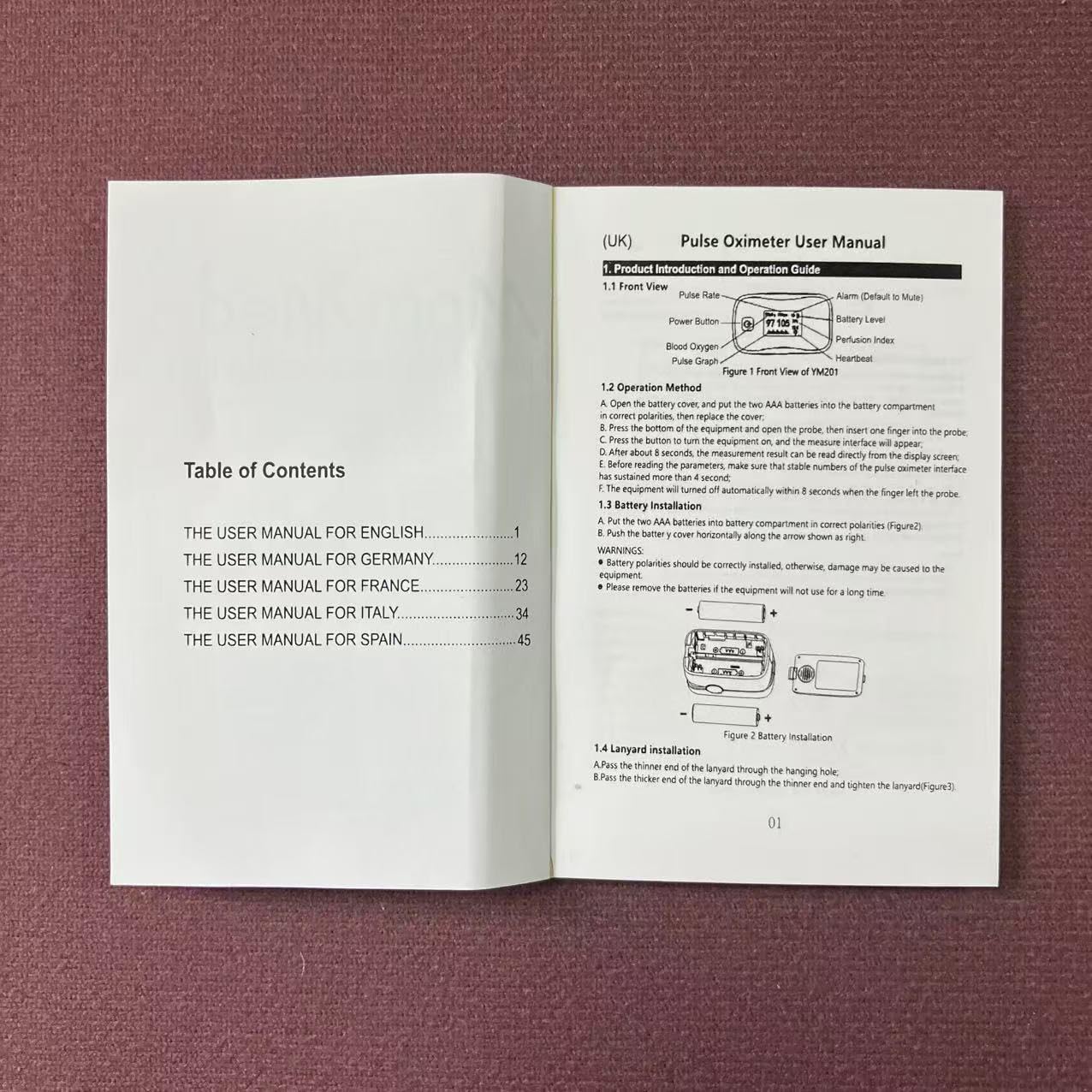
Image 3: Battery Installation Diagram. This image shows the battery compartment and how to correctly insert the two AAA batteries.
4.2 Lanyard Installation (Optional)
A lanyard is provided for convenient carrying. To attach it:
- Pass the thin end of the lanyard through the hanging hole on the oximeter.
- Pass the thicker end of the lanyard through the thin end and tighten.
5. Operating Instructions
5.1 Taking a Measurement
- Ensure the oximeter has batteries installed.
- Open the clamp and insert one finger (preferably the index, middle, or ring finger) into the rubber opening of the oximeter. Ensure the finger is fully inserted and rests flat on the sensor.
- Release the clamp.
- Press the power button once to turn on the device.
- The measurement interface will appear. Keep your hand still during the measurement.
- Read the SpO2 and Pulse Rate values displayed on the screen. Results typically appear within 6-8 seconds.
- The device will automatically power off after 10 seconds of inactivity once the finger is removed.

Image 4: Display Data Introduction. This graphic illustrates the various readings shown on the oximeter's screen, including Blood Oxygen Saturation, Pulse Rate, Perfusion Index, Heart Rate Bar Graph, and Heartbeat.
5.2 Menu Settings and Personalization
To access the menu settings:
- With the device on, press and hold the power button for approximately 2 seconds. The menu interface will appear.
- Short press the power button to cycle through menu options.
- Long press the power button to select an option or confirm a setting.
Available settings include:
- Alarm: Turn alarm function ON or OFF.
- Sound: Turn audible alerts ON or OFF.
- Brightness: Adjust display brightness level (typically 1-5).
- Defaults: Restore factory settings.
- Alarm Setup: Set high and low limits for SpO2 and PR alarms.

Image 5: Personalize Setting Menu. This graphic displays the general setup and alarm setup menus, showing options like alarm on/off, sound, brightness, and setting SpO2 and PR alarm thresholds.
5.3 Record Function
The oximeter can store recent measurement data. The first measurement within 30 seconds of turning on is saved, and the device can store up to the last 20 measurements.
To review stored data:
- Access the menu settings (as described in 5.2).
- Navigate to "DATA REVIEW" and long press to enter.
- Short press to scroll through the stored measurements (M1, M2, etc.).
- Long press to exit the data review.

Image 6: Record Function. This image illustrates how the oximeter stores and displays the last 20 measurements, showing O2 (SpO2) and PR (Pulse Rate) values for multiple entries.
6. Maintenance
6.1 Cleaning
The oximeter should be cleaned regularly to ensure proper hygiene and function.
- Device Exterior: Wipe the exterior of the device with a soft cloth dampened with a mild disinfectant (e.g., 70% ethanol).
- Finger Probe: Clean the inside of the finger probe with a soft cloth dampened with 70% ethanol before and after each use.
- Do not immerse the device in liquid.
- Do not use abrasive cleaners or harsh chemicals.
6.2 Battery Replacement and Storage
- Replace batteries when the low battery indicator appears on the display.
- If the device will not be used for a long period, remove the batteries to prevent leakage and damage.
- Store the oximeter in a cool, dry place, away from direct sunlight and extreme temperatures.
7. Troubleshooting
Refer to the table below for common issues and their solutions:
| Trouble | Possible Reason | Solution |
|---|---|---|
| The equipment can't be turned on. | The battery is drained or almost drained. The battery installation is incorrect. The device works abnormally. | Replace batteries. Install the battery over again. Please contact the product distributor. |
| The SpO2 and PR are displayed abnormally. | The finger is too big or small. Excessive ambient light. User's blood perfusion is very low. | Choose the suitable size finger to measure. Avoid the excessive ambient light. Warm the finger and try again. |
| The display is suddenly off. | The equipment is set to shut down automatically. The battery is almost drained away. | Normal. Replace batteries. |
| The SpO2 and Pulse Rate are displayed unstably. | The finger is shaking or the body is moving. Not used in the work environment required by this manual. The device works abnormally. | Replace the finger and try again. Try to keep still. Please use in normal working environment. Please contact the product distributor. |
8. Specifications
- Model Name: YM201
- Measuring Range: 70% - 100% SpO2
- Display Type: OLED
- Power Requirements: 2 x AAA 1.5V alkaline batteries
- Operating Current: 25-50mA
- Dimensions: 57 x 30 x 31 mm
- Weight: 28g (bare machine)
- Automatic Shut-off: After 10 seconds of inactivity
- Operating Temperature: 5°C - 40°C (41°F - 104°F)
- Storage/Transportation Temperature: -10°C - 40°C (14°F - 104°F)
- Humidity: 15% - 80% non-condensing
- Atmosphere Pressure: 70kPa - 106kPa
9. Warranty and Support
For warranty information, technical support, or to obtain a digital copy of this user manual, please contact MOMMED customer service.
- Email: Support@mommed.com
- Website: www.mommed.com
Related Documents - YM201
 |
Dr. Senst YK-80B Fingertip Pulse Oximeter User Manual Comprehensive user manual for the Dr. Senst YK-80B Fingertip Pulse Oximeter, detailing its features, operation, specifications, safety precautions, and troubleshooting. Measures SpO2 and pulse rate. |
 |
Veridian Healthcare Deluxe Pulse Oximeter User Manual and Specifications Comprehensive guide to using, maintaining, and understanding the Veridian Healthcare Deluxe Pulse Oximeter (Model #11-50D), including product specifications and warranty information. |
 |
Veridian Healthcare Deluxe Pulse Oximeter 11-50D User Manual Instructions for using, caring for, and troubleshooting the Veridian Healthcare Deluxe Pulse Oximeter, Model 11-50D. Includes product specifications and warranty information. |
 |
OMRON P300 Intelli IT Fingertip Pulse Oximeter HPO-300T Instruction Manual Instruction manual for the OMRON P300 Intelli IT Fingertip Pulse Oximeter (HPO-300T), detailing its features, operation, specifications, and troubleshooting. Learn how to measure SpO2 and pulse rate accurately. |
 |
iHealth PO3M Smart Pulse Oximeter: Operation Manual, Features, and Specifications This comprehensive operation manual for the iHealth PO3M Smart Pulse Oximeter provides detailed information on its intended use, package contents, device description, contraindications, warnings, usage instructions, care and maintenance, specifications, troubleshooting, and regulatory compliance. Learn how to effectively use your device for accurate SpO2 and pulse rate monitoring. |
 |
Roscoe POX-ROS Fingertip Pulse Oximeter User Manual - Features, Use, and Specifications Comprehensive user manual for the Roscoe POX-ROS Fingertip Pulse Oximeter. Learn about its features, how to use it for measuring SpO2 and pulse rate, precautions, maintenance, technical specifications, and troubleshooting. Includes product details from Compass Health Brands. |
Ask a question about this manual
Ask about setup, troubleshooting, compatibility, parts, safety, or missing instructions. Manuals+ will review the question and use this page’s manual context to help answer it.