
1. Introduction
The Briidea Wireless Chair Alarm System, model LD-184, is designed to assist caregivers in monitoring individuals who may be at risk of falling when attempting to leave a chair or bed unsupervised. This system utilizes a pressure-sensitive pad that wirelessly communicates with a receiver, triggering an alarm when pressure is removed from the pad. This manual provides instructions for the proper setup, operation, and maintenance of your device.
2. Product Components
The Briidea Wireless Chair Alarm System includes the following main components:
- Wireless Receiver: The main unit that receives signals from the sensor pad and emits alarms.
- Pressure-Sensitive Sensor Pad: A waterproof PVC pad placed under the patient to detect presence.
- Installation Kit: Includes various mounting options for the receiver (hook, screw, 3M adhesive).

Image 2.1: Overview of the Briidea Wireless Chair Alarm System, showing the sensor pad and the receiver unit.
3. Setup Instructions
3.1. Receiver Battery Installation
- Locate the battery compartment on the back of the wireless receiver unit.
- Open the battery compartment cover.
- Insert the required batteries (not included) according to the polarity indicators (+/-).
- Close the battery compartment cover securely.

Image 3.1: Battery installation for the wireless receiver.
3.2. Sensor Pad Placement
Place the pressure-sensitive sensor pad directly on the chair seat or mattress where the patient will be seated or lying. Ensure the pad is flat and positioned correctly to detect when the patient leaves the surface.

Image 3.2: Examples of sensor pad placement on a chair, sofa, and bed.
3.3. Pairing the Sensor Pad with the Receiver
The receiver supports pairing with up to three sensor pads. To pair a sensor pad:
- Ensure both the receiver and sensor pad are powered on.
- Press the 'PAIR' button on the receiver. The indicator light for the sensor slot (1, 2, or 3) you wish to pair will flash.
- Apply pressure to the sensor pad (e.g., sit on it briefly) to activate it.
- The indicator light on the receiver will become solid, confirming successful pairing.
- Repeat for additional sensor pads if needed.
3.4. Receiver Mounting Options
The receiver offers flexible placement options:
- Handheld/Portable: The compact design allows it to be carried in a pocket or backpack.
- Tabletop: Place it on any flat surface within range.
- Fixed Installation: Use the provided hook, screw, or 3M adhesive to mount the receiver in a fixed location.

Image 3.3: Flexible reception and mounting options for the receiver.
4. Operating Instructions
4.1. Alarm Modes
The system features three alarm modes, selectable via the 'VOLUME' button on the receiver:
- Vibration Only: Provides a silent alert through vibration, suitable for quiet environments or discreet monitoring.
- Vibration + 80dB Alarm: Combines vibration with an audible alarm at 80 decibels.
- Vibration + 120dB Alarm: Combines vibration with a louder audible alarm at 120 decibels, suitable for noisy environments or when a strong alert is required.

Image 4.1: The three selectable alarm modes.
4.2. Alarm Triggering
When the patient removes their weight from the sensor pad, the receiver will detect the change in pressure and immediately trigger the selected alarm mode. This alerts the caregiver to provide assistance.
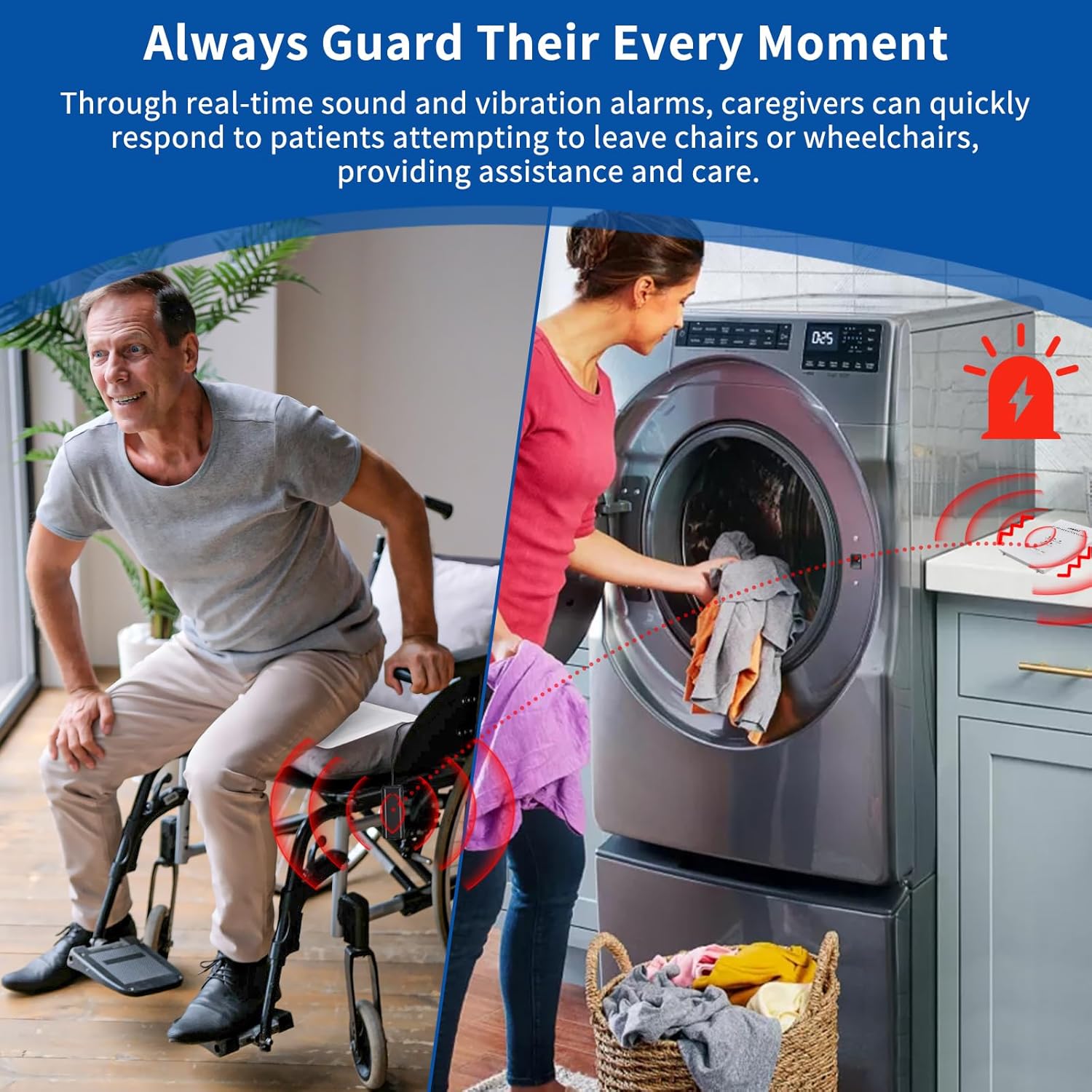
Image 4.2: The system alerts caregivers when a patient attempts to leave their seat.
5. Maintenance
5.1. Cleaning the Sensor Pad
The sensor pad is constructed from waterproof PVC material, making it easy to clean. To clean the pad:
- Disconnect the sensor pad from any power source if applicable.
- Wipe the surface of the pad with a damp cloth and mild disinfectant.
- Ensure the pad is completely dry before reuse.
No special care is required, making it suitable for environments where incontinence may occur.

Image 5.1: Easy cleaning of the waterproof sensor pad.
6. Troubleshooting
If you encounter issues with your Briidea Wireless Chair Alarm System, refer to the following common problems and solutions:
| Problem | Possible Cause | Solution |
|---|---|---|
| Alarm does not trigger when patient leaves pad. | Low batteries in receiver or sensor pad. Pad not properly connected/paired. Pad faulty. | Replace batteries in receiver. Re-pair the sensor pad with the receiver. Ensure pad is flat and free of obstructions. Contact support if issue persists. |
| False alarms. | Pad improperly placed or folded. External interference. | Ensure the sensor pad is completely flat and smooth. Check for any objects pressing on the pad. |
| Receiver not responding. | Out of range. Low batteries. | Move receiver closer to the sensor pad (up to 200 meters range). Replace receiver batteries. |
7. Specifications
Detailed specifications for the Briidea Wireless Chair Alarm System LD-184:
- Model Number: LD-184
- Control Method: Touch
- Sensor Technology: Contact Sensor
- Sensor Pad Material: Waterproof PVC
- Receiver Dimensions: Approximately 3.4 x 3.9 x 1.1 inches
- Sensor Pad Dimensions: Approximately 15.1 x 10.6 inches
- Wireless Range: Up to 200 meters (600 feet)
- Alarm Modes: Vibration, Vibration + 80dB, Vibration + 120dB
- Power Source: Receiver (Battery-powered, batteries not included), Sensor Pad (Integrated, rechargeable)
- Item Weight: Approximately 15.2 ounces (total package)
- Color: White

Image 7.1: Product dimensions of the receiver and sensor pad.
8. Safety Information
Please observe the following safety guidelines:
- This device is intended as an aid for fall prevention and patient monitoring. It is not a substitute for direct supervision by a caregiver.
- Ensure the sensor pad cable is routed safely to prevent tripping hazards or entanglement.
- Regularly test the system to ensure proper functionality.
- Keep the receiver and sensor pad away from excessive moisture or extreme temperatures.
- Do not attempt to open or repair the device yourself. Refer to qualified personnel for service.
9. Warranty and Support
For warranty information, technical support, or service inquiries, please contact Briidea customer service through their official channels. Retain your purchase receipt for warranty claims.